 How-to
Old Roof Problems: Spotting Failures Before They Get Costly
Last Updated: November 5, 2026
Quick Summary
Old roof problems usually start with curling or cracked shingles, granule loss, and failing flashing around chimneys and vents. Water intrusion follows, often showing up as ceiling stains or musty attic odors. Inspecting the roof from the ground and the attic twice a year catches these issues early.
- Asphalt shingles typically last roughly 15 to 30 years, depending on product, climate, and maintenance.
- Check for curling edges, cracks, missing pieces, and bald or shiny patches on the shingle surface.
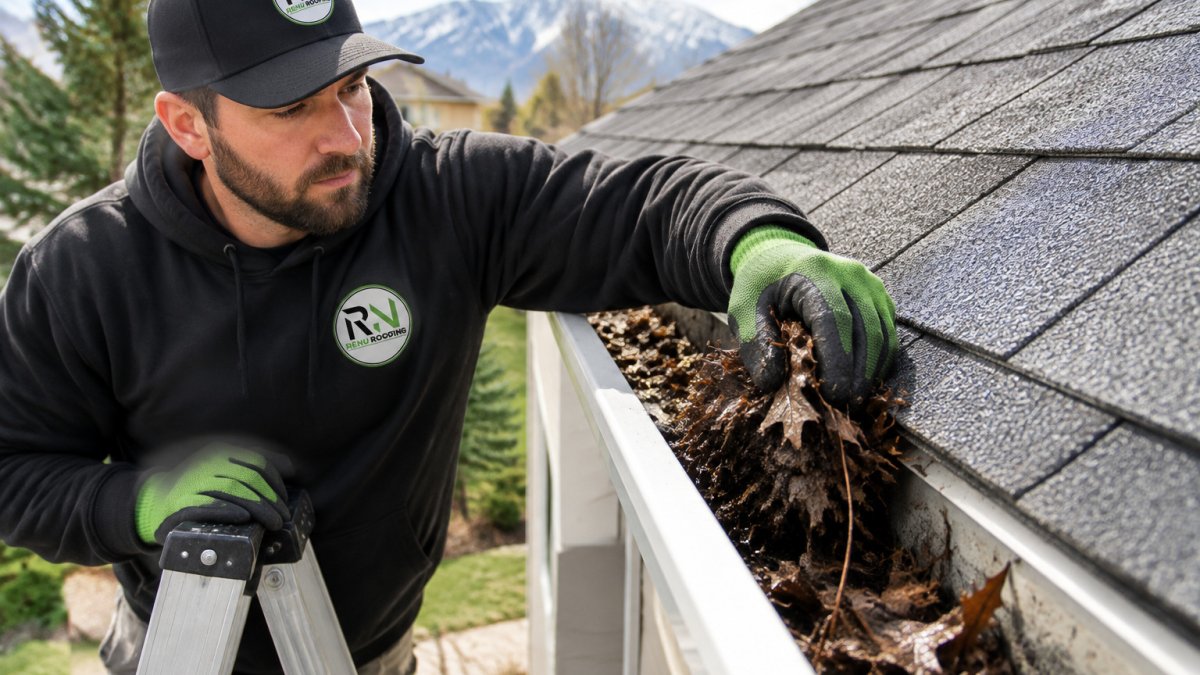
- Granules piling up in gutters signal protection loss and should be tracked over time.
- Rubber pipe boots around vent pipes often crack first, especially on roofs older than about 10 years.
- Isolated damage usually suits targeted repair, while damage spread across the roof points toward replacement.
Table of Contents
- Common Signs of an Aging Roof
- Granule Loss and Exposed Roofing Material
- Leaks, Flashing Failures, and Water Intrusion
- How Long an Asphalt Shingle Roof Lasts and How Age Affects Performance
- A Homeowner Inspection Checklist for Old Roof Problems
- Isolated Repair or System-Wide Failure: How to Tell the Difference
- Roof Repair or Replacement: Deciding What Your Roof Needs
- Your Next Step: Getting an Honest Assessment of Your Roof
- Frequently Asked Questions
Common Signs of an Aging Roof
Most homeowners don't notice their roof aging until a leak shows up on the ceiling. By then, the damage from these old roof problems has often been building for months.
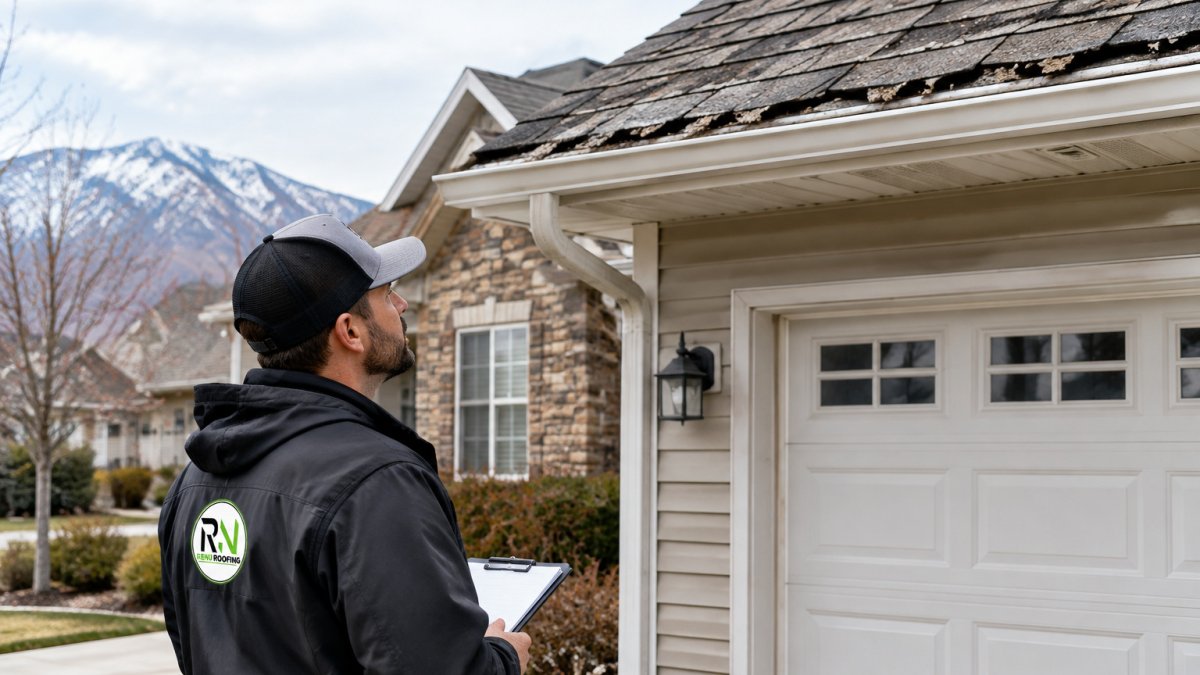
Start with a simple walk around the outside of your home. Look at the roof from the ground using binoculars if you have them. Check for these warning signs:
- Shingles that look bumpy, curled, or lifted at the edges
- Dark streaks, moss, or algae growth across the roof surface
- Granules collecting in your gutters or at the base of downspouts (see how to prevent granule loss with maintenance steps)
Asphalt shingles are built to shed water and resist sun. As they age, they lose the flexibility that keeps them flat and sealed. That is why aging roofs tend to show the same problems over and over.
Shingle Damage: Curling, Cracking, and Missing Pieces
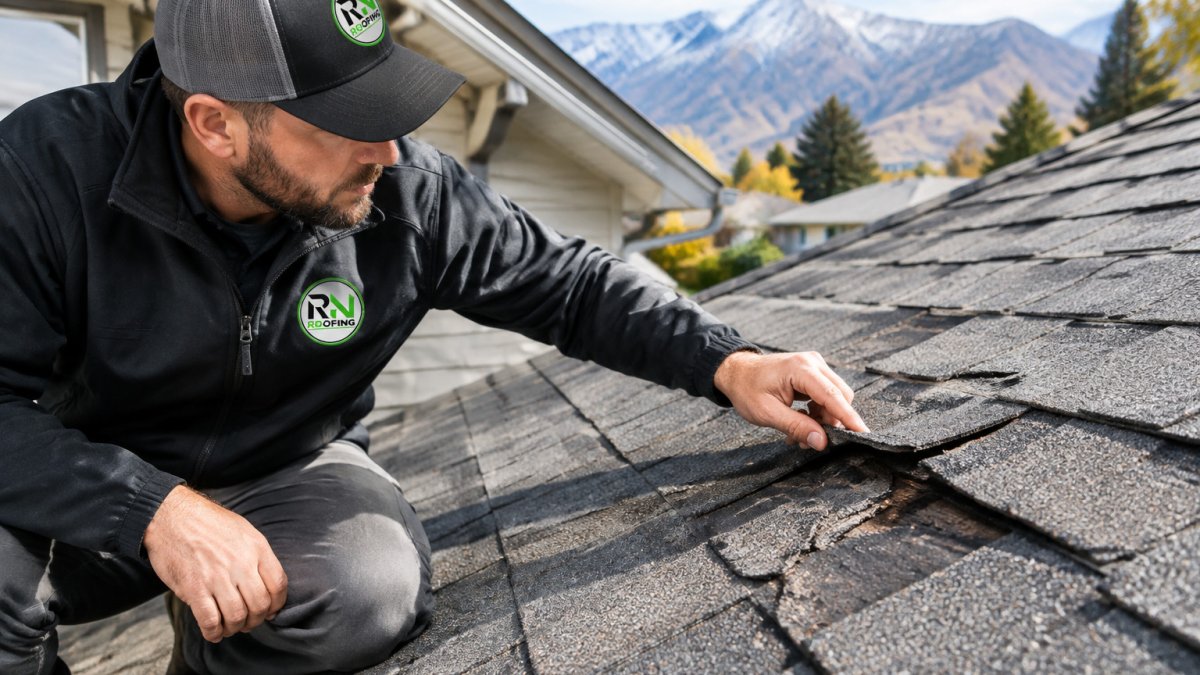
Curling shingles are one of the clearest signs your roof is wearing out.
Check for missing pieces after a windstorm. A missing shingle leaves the layer below exposed. That layer was never meant to take direct weather for long.
Simple steps to check your shingles:
- Walk the roof only if it is safe. Otherwise, inspect from a ladder at the eave.
- Look for shingles that lie flat, with no gaps or lifted corners.
- Press gently on a shingle. Brittle material cracks or crumbles.
Brittle shingles can sometimes be restored with rejuvenation, which adds flexibility back to aging material. Widespread cracking or curling may call for a different approach.
Granule Loss and Exposed Roofing Material
Asphalt shingles have a surface of small mineral granules. These granules protect the asphalt from sun damage. When they wear away, the asphalt underneath breaks down faster.
Granule loss is easy to spot once you know what to look for:
- Bald patches where the shingle looks darker or shinier
- Granules piling up in gutters or around downspouts (learn how to identify early signs of granule loss before damage spreads)
- Dark, smooth spots where the protective layer is gone
Small amounts of granule loss are normal as a roof ages. Heavy or uneven loss is a warning.
A common mistake is ignoring granules in the gutters because they seem harmless. Those granules are the roof's protection leaving the building.
Leaks, Flashing Failures, and Water Intrusion
Water is the biggest threat to an old roof. A roof can look fine from the ground and still let water in through weak points.
Flashing is the metal or rubber material sealing areas like chimneys, vent pipes, skylights, and roof valleys.
Watch for these signs of water intrusion:
- Water stains on ceilings or upper walls
- Peeling paint or bubbling drywall near the roofline
- Musty smells in the attic or top floor
What to do right after you find a leak:
- Place a bucket under the drip and move valuables out of the way.
- Take photos of the stain and any visible damage for your records.
- Check the attic, if you can do so safely, to find where the water enters.
- Call a professional before the next rainstorm. Temporary tarping helps, but it is not a fix.
Do not climb onto a wet or steep roof to chase a leak. A fall is a bigger risk than a little water damage.
How Long an Asphalt Shingle Roof Lasts and How Age Affects Performance
Asphalt shingle roofs often last roughly 15 to 30 years, depending on the product, climate, ventilation, and how well the roof was maintained.
Performance usually declines in stages:
- Early years (0-8): The roof sheds water well with few visible issues. Granule loss is minimal and shingles stay flexible.
- Middle years (8-15): Granule loss and minor curling start to appear. Pipe boots and flashing seals begin to dry out and crack.
- Later years (15+): Shingles become brittle, leaks become more frequent, and flashing failures add up. Small wind events start removing shingles that would have held on a few years earlier.
Age alone does not decide whether a roof needs replacement. The condition of the shingles, the number of problem areas, and how far the roof has aged all matter. Read our guide on how to extend asphalt roof life with a shingle care schedule.
Aging Signs and Lifespans by Roofing Material
One of the most common mistakes homeowners make is applying asphalt-shingle expectations to every roof.
- Asphalt shingles: Look for granule loss, curling edges, and brittle shingles that crack when pressed. Typical service life is 15-30 years. Rejuvenation is an option for shingles that are aging but not yet failing.
- Clay and concrete tile: Tiles themselves can last 40-50 years or more, but the underlayment beneath them often fails first, usually in the 20-30 year range. Watch for cracked or slipped tiles and for leaks that appear without any visible tile damage, that often points to the underlayment.
- Slate: A well-installed slate roof can last 75-100 years or longer, but individual slates crack, slip, or delaminate over time. Repairs are usually targeted replacements rather than whole-roof work.
A common pattern is a roof that looks fine from the ground but has an underlayment or flashing problem hiding beneath a durable top layer.
For reference, a Asphalt roofing guidance from the Asphalt Roofing Manufacturers Association is a useful source for general information on how these materials age.
Schedule Your FREE Roof Inspection Today →
A Homeowner Inspection Checklist for Old Roof Problems
Use this checklist once or twice a year, and after any big storm. Record what you see and compare it over time.
- Shingles are lying flat with no curling or lifted edges
- No cracked, torn, or missing shingles
- Granules are not piling up in gutters or downspouts
- No bald or shiny patches on the shingle surface
If you check off most items, your roof is likely in good shape for its age. If three or more items fail, schedule a professional inspection soon.
Isolated Repair or System-Wide Failure: How to Tell the Difference
Not every roof problem means replacement. The key question is whether the damage is limited to one area or spread across the whole roof.
An isolated repair usually looks like:
- One or two missing or damaged shingles
- A single failed pipe boot or flashing section
- A small leak traced to one spot
A system-wide failure usually looks like:
- Curling or cracking across most of the roof
- Granule loss on every slope
- Leaks in several places at once
- Widespread sagging or soft decking
Isolated problems are generally good candidates for targeted repair. System-wide problems suggest the roofing material itself is reaching the end of its life.
Many professionals find that a roof with localized damage but sound overall shingles is a strong candidate for rejuvenation.
Roof Repair or Replacement: Deciding What Your Roof Needs
Repairing small problems and replacing big ones is a common rule of thumb. It is not very useful when you are standing in your driveway trying to decide. A better approach is to score the roof on four factors and let the pattern point to the answer.
The Four-Factor Decision Framework
1. Extent of damage. Is the problem confined to one slope, one penetration, or one small area? Or does it appear on multiple slopes and in several places at once?
**2.
3. Repeat leaks. One leak traced to one cause is normal wear.
4. Deck condition. Soft spots, spongy areas underfoot, or sagging between rafters mean the wood beneath the shingles has taken on moisture.
Reading the Pattern
- One factor flagged, roof otherwise sound: Targeted repair is usually the right call.
- Two factors flagged, shingles still flexible: Rejuvenation is often a strong candidate. It restores flexibility to aging shingles and can extend the roof's life without a full tear-off.
- Three or more factors flagged, or any soft decking: Replacement is usually the honest answer. Patching a failing surface just moves the next leak a few months down the road.
Many professionals find that a roof with localized damage but sound overall shingles is a strong candidate for rejuvenation. A roof with damage spread everywhere often needs a bigger decision.
What to Ask a Contractor
When you get an assessment, ask specific questions rather than accepting a one-line recommendation:
- Which of the four factors did you find, and where?
- Can you show me the problem areas, either in person or in photos?
- If we repair now, what is likely to fail next, and roughly when?
- Is the decking sound, and how did you confirm it?
Watch out: a quote that recommends full replacement without showing you the specific problem areas, or one that recommends a patch without checking the deck, is worth a second opinion before you commit.
Replacement is a major expense, so it is worth getting more than one assessment. Ask each contractor to explain what drives their number rather than comparing totals alone.
ReNu Roofing focuses on rejuvenation, repairs, and protective coatings. For residential asphalt roofs, we use rejuvenation rather than coatings. Rejuvenation carries a 6-year transferable warranty.
The article's four decision factors and the pattern they point to can be scanned at a glance:
| Pattern | What it suggests | Typical action |
|---|---|---|
| One factor flagged, roof otherwise sound | Localized, isolated damage | Targeted repair |
| Two factors flagged, shingles still flexible | Aging shingles with life left | Rejuvenation |
| Three or more factors flagged | Roofing material nearing end of life | Replacement |
| Any soft decking | Moisture has reached the wood beneath | Replacement |
Your Next Step: Getting an Honest Assessment of Your Roof
If you have spotted any of the signs the best next step is a clear, honest look at your roof. Start by using the checklist above and noting what you find. Then reach out to ReNu Roofing for an assessment. We will tell you what can be repaired, what can be rejuvenated, and what may need replacing, so you can make the decision with confidence.
Frequently Asked Questions
How bad is a 20-year-old roof?
A 20-year-old asphalt shingle roof is not automatically failing, but it is past the midpoint of a typical service life and deserves a closer look. Many asphalt shingle roofs last roughly 15 to 30 years depending on the product, ventilation, and climate exposure. At this age, expect more granule loss, brittle or curling shingles, and aging flashing. A professional inspection will show whether the roof needs maintenance, rejuvenation, or replacement.
Can old roof shingles be repaired?
Yes, individual damaged shingles can often be replaced, and worn areas can sometimes be restored rather than torn off. Repair works best when damage is localized and the underlying roof deck is sound. If shingles are brittle, cracking when handled, or failing across large sections, repair may only delay the problem. Rejuvenation can restore flexibility to aging asphalt shingles on residential roofs and is a useful middle option when replacement is not yet necessary.
How can you tell whether an old roof is leaking?
Look for water stains on ceilings and upper walls, peeling paint near the roofline, and damp insulation in the attic. Check the attic during or just after rain for drips, dark wood, or a musty smell. Leaks often start at flashing around chimneys, vents, and valleys rather than in the middle of the roof field. If you find moisture, limit further damage by placing a container under the drip and calling a roofer promptly.
Should you repair or replace an aging roof?
The answer depends on how widespread the damage is, the roof's age, and the condition of the roof deck. Repair or restoration usually makes sense when problems are isolated and the rest of the roof is still flexible and watertight. Replacement becomes the better choice when damage is system-wide, the deck is rotting, or repairs keep recurring. Get the assessment in writing so you can compare options and their warranty terms.
Contact ReNu Roofing today to inquire about an assessment of your roof and the options that fit your home or building.