 How-to
Are Reflective Roof Coatings Worth It in Utah Summers?
Last Updated: November 18, 2026
Quick Summary
Reflective roof coatings bounce sunlight away from a roof instead of absorbing it, so the roof surface runs cooler and passes less heat into the home below. The benefit is most useful on flat roofs in Utah's strong summer sun, though savings depend on the building's insulation and attic.
- Reflective coatings are most useful on flat roofs, where the surface sits in direct sun for long periods.
- A cooler roof surface reduces heat gain to the attic and rooms below, easing air conditioner workload.
- Coatings do not fix structural damage, sagging decks, or active leaks, which need repairs first.
- Ponding water can stress seams and coating adhesion, and many manufacturers limit warranty coverage for it.
- Residential asphalt roofs get rejuvenation instead of coatings, carrying a 6-year transferable warranty.
Table of Contents
- How Reflective Roof Coatings Handle Utah Sun and Heat
- Cooling Efficiency and Indoor Comfort Benefits
- UV Protection and Longer Roof Life
- Cool Roof Coating vs. Asphalt Roof Rejuvenation: Which Applies to Your Roof
- Reflective Roof Coating for Asphalt Shingles: What Works and What Doesn't
- Roof Coating Disadvantages and Limitations to Weigh
- Booking Your Roof Assessment Before the Next Summer
- Frequently Asked Questions
How Reflective Roof Coatings Handle Utah Sun and Heat
At ReNu Roofing, we see the same question every summer: can a reflective coating actually make a roof easier to live under when the sun is hard on it? A reflective roof coating works by bouncing sunlight away from the roof surface instead of absorbing it. Less absorbed heat means a cooler roof, and a cooler roof puts less heat into the home below.
Reflective roof coatings are a type of cool roof coating, a protective layer built to reflect more sunlight than a standard roof surface. The coating is most useful on flat roofs, where the surface sits in direct sun for long stretches of the day.
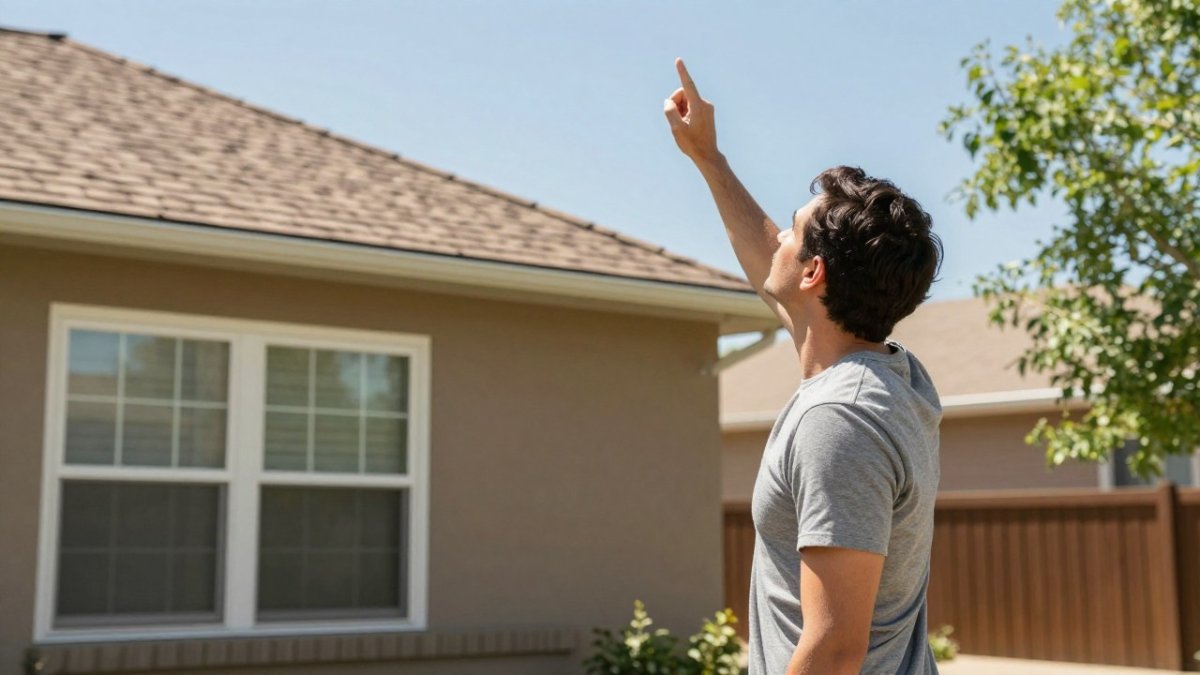
A homeowner standing in a sunny backyard looks up at a residential roof on a clear summer afternoon, shading their eyes with one hand while the roof glows under full sun. The man is American.
How solar reflectance lowers roof surface temperature
Solar reflectance is the share of sunlight a surface bounces back, and it is measured on a 0-to-1 scale. A dark, weathered roof absorbs most of the sun that hits it. A light-colored reflective coating sends much of that energy back into the sky, so the roof surface runs cooler.
- Darker roof surfaces absorb more solar energy
- Reflective coatings send more sunlight back out
- A cooler surface passes less heat into the building
The mechanism is a chain, not a single step. Sunlight strikes the coating, the coating reflects a large share of the solar spectrum, the remaining energy heats the coating surface instead of the deck below, and the attic receives less radiant heat through the roof assembly. That is why surface temperature and indoor temperature are different numbers: a coating can drop the surface temperature dramatically while the attic and rooms cool by a smaller, insulation-dependent amount.
Two other ratings matter alongside reflectance. Thermal emittance is how readily a surface releases absorbed heat back to the sky, and the Solar Reflectance Index (SRI) combines reflectance and emittance into one score. A coating with high reflectance but low emittance can still run warm, so look at both figures rather than reflectance alone.
Why the region's high sun exposure makes this matter
Summers bring strong, long days of direct sun, and that exposure drives roof surface heat. Roofs that sit in that sun all afternoon can add load to the cooling system below. A reflective coating can reduce the heat at the surface before it reaches the attic.
Several conditions can shape how a coating performs:
- High-altitude sun intensity. Solar intensity rises with elevation because there is less atmosphere to filter the sun. A roof at higher elevation receives more direct solar energy per square foot than the same roof at sea level, which raises the value of reflectance.
- Dry heat and wide day-night swings. Dry air and large temperature swings stress roofing materials through repeated expansion and contraction. A coating that keeps the daytime surface cooler reduces the peak of that swing.
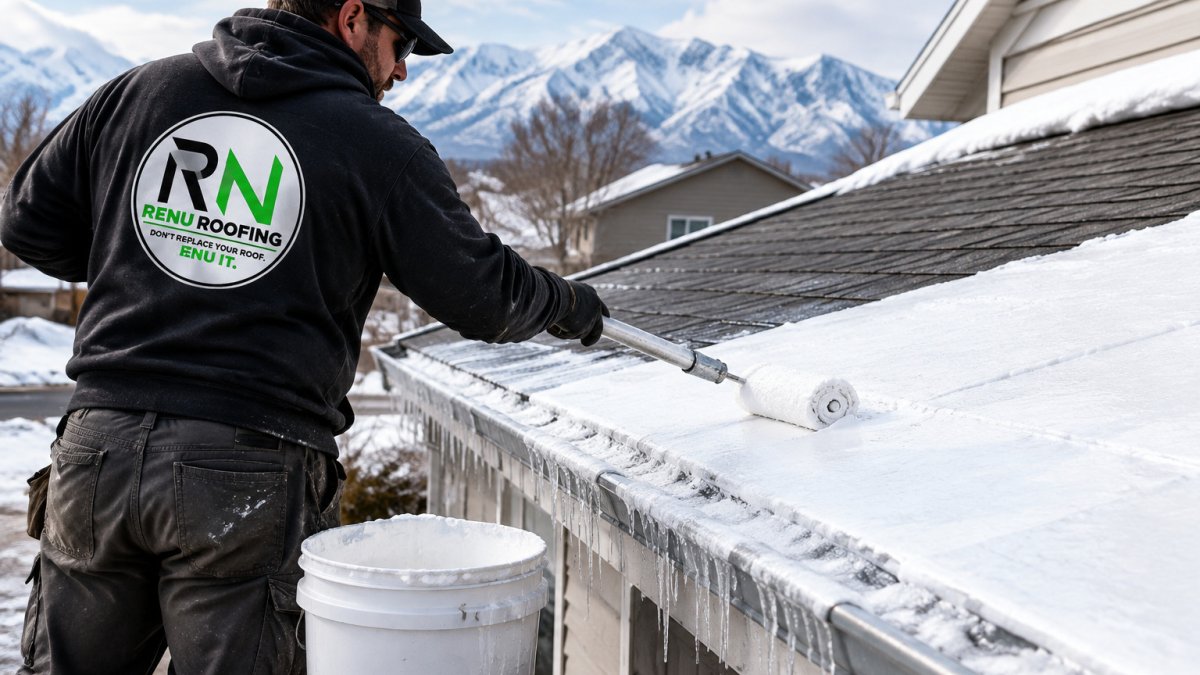
- Winter and snow exposure. Reflective coatings are not only a summer product. A light-colored surface also stays cooler in shoulder seasons, and freeze-thaw cycles plus snow load test the coating's adhesion and flexibility. That is why surface preparation and product selection matter as much as reflectivity.
What reflectance does and does not change
A reflective coating changes the roof's surface energy balance; it does not change the building's insulation. The biggest indoor comfort gains tend to show up on roofs with modest attic insulation, ductwork in the attic, or large flat roof areas directly over conditioned space. On a well-insulated building, the surface may run much cooler while the utility bill moves only slightly.
Watch out: treating a reflectance rating as a guaranteed bill reduction is the most common mistake. Reflectance, emittance, insulation, attic ventilation, roof condition, and HVAC efficiency all interact, so the honest expectation is a cooler surface and reduced heat gain, with savings that vary by building.
Cooling Efficiency and Indoor Comfort Benefits
A cooler roof does more than feel better to stand under. It changes how hard the home's air conditioning has to work.
- Lower roof surface temperatures: Less solar heat gain reaches the attic and ceilings.
- Reduced indoor temperatures: Rooms under the roof stay more comfortable in the afternoon.
- Lower cooling costs: The air conditioner runs less when it is not fighting heat coming through the roof.
- Less HVAC strain: Equipment that runs fewer hours tends to see less wear over time.
The actual savings depend on the building, the attic, the insulation and how the home is used, so treat these as general effects rather than guaranteed numbers.
UV Protection and Longer Roof Life
Sunlight does more than heat a roof. Ultraviolet (UV) radiation breaks down roofing materials over time, causing surfaces to dry out, crack and wear thin. A reflective coating creates a protective layer that helps shield the roof from that sun damage.
- UV protection: The coating reduces direct sun damage to the roofing surface.
- Moisture resistance: A sealed surface helps keep rain from working into weak spots.
- Longer service life: Less sun damage and fewer weather cracks can extend how long the roof lasts.
Most coatings are not a permanent fix, so the goal is generally to slow aging and protect the roof between larger repairs.
Cool Roof Coating vs. Asphalt Roof Rejuvenation: Which Applies to Your Roof
The right choice depends on the roof type, and the two options are not interchangeable.
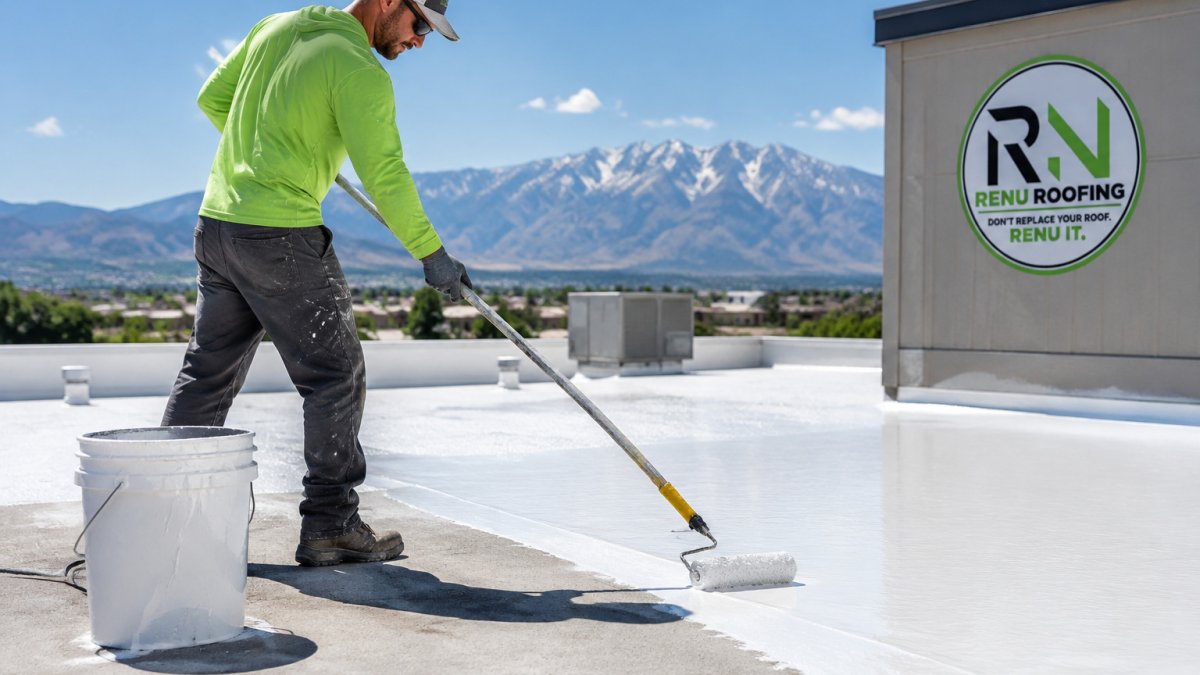
Reflective coatings are used on flat roofs, which are mostly commercial buildings. At ReNu Roofing, we apply Gaco coatings only on flat roofs.
Asphalt roof rejuvenation is used on residential asphalt shingle roofs. We do not apply coatings to residential asphalt roofs. Rejuvenation restores the shingles instead.
- Flat roof (usually commercial): Gaco reflective coating
- Asphalt shingle roof (usually residential): Rejuvenation
Knowing which system fits your roof keeps you from paying for the wrong service.
Reflective Roof Coating for Asphalt Shingles: What Works and What Doesn't
A common question is whether a reflective coating can go on an asphalt shingle roof. For residential asphalt roofs, we do not use coatings. Shingles that are cracked, brittle or losing granules need restoration work first, and our residential approach is rejuvenation. Coatings belong on flat roofs.
Brittle shingles should be assessed before any surface work begins. Our guide on how to repair brittle shingles explains the early signs to look for.
Roof Coating Disadvantages and Limitations to Weigh
No coating is right for every roof, and it helps to know the limits before you decide. Professional roof coating in Utah makes the most sense for flat roofs in good structural condition, and the professional roof coating services in Utah we offer come with clear limits on where they fit.
Where coatings stop being the answer
- Coatings do not fix structural damage or sagging decks
- A roof with active leaks needs repairs first
- Surface prep matters for how long a coating lasts
- Coatings need periodic maintenance to hold their performance
A coating is a protective and reflective layer, not a structural repair. If the deck is soft, the insulation is saturated, or water is already entering, the coating will trap the problem rather than solve it. Ponding water is a specific limitation: standing water on a flat roof can stress seams and coating adhesion, and many coating manufacturers limit warranty coverage for ponding-water conditions.
Surface preparation and application sequence
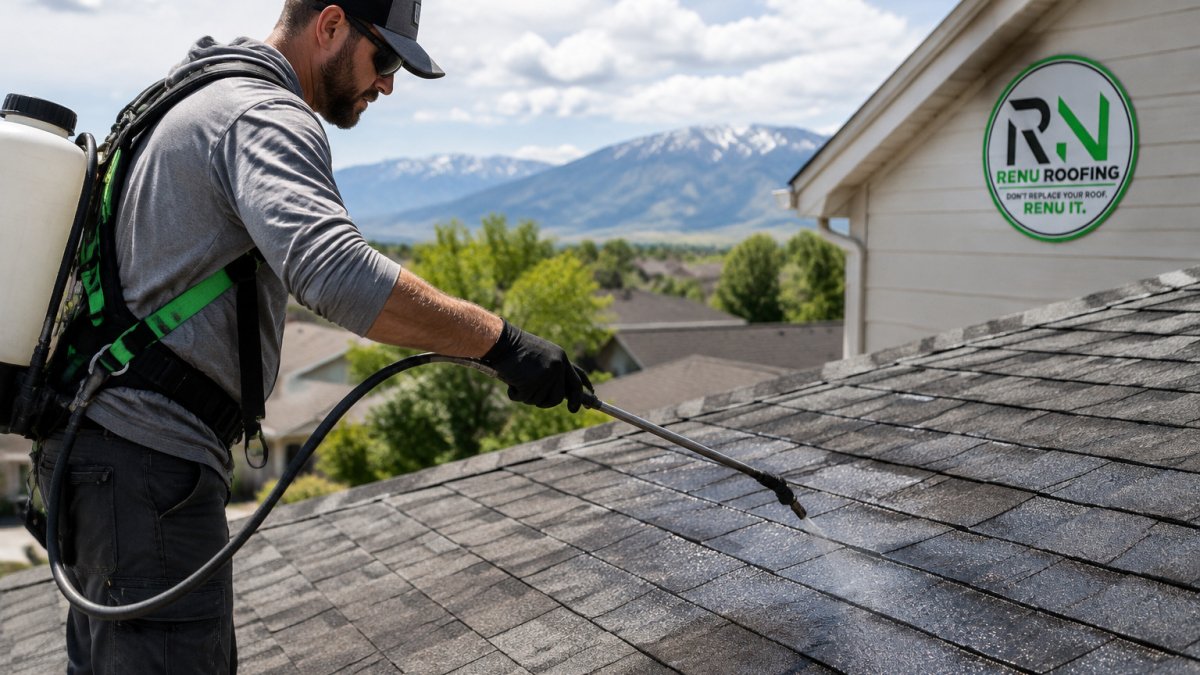
A coating is only as good as what it bonds to. A flat-roof coating job generally follows a sequence:
Applying coating over a damp or dirty surface is a common reason coatings underperform.
Maintenance and recoating intervals
A coated roof is not maintenance-free. Coated roofs generally need periodic inspection and maintenance. Recoating is generally needed over time, and the manufacturer's data sheet sets the expectation. Budgeting for recoating is part of the true lifecycle picture.
Warranty terms and how they are separated
Warranty structure is where roof type matters most. At ReNu Roofing, we apply Gaco coatings only on flat roofs, which are mainly commercial buildings. Those coatings can carry up to a 20-year warranty. For residential asphalt shingle roofs, we do not apply coatings; we use rejuvenation instead, and that work carries a 6-year transferable warranty. Keeping the two systems separate is deliberate, it lets each warranty be written and honored correctly for the roof type it covers.
Read any warranty carefully for what it excludes, as exclusions are common across the industry. A long warranty term is not the same as coverage of every failure mode.
When to choose rejuvenation instead
On a residential asphalt shingle roof, a reflective coating is not our approach. Shingles that are cracked, brittle, or losing granules need assessment first, and rejuvenation is the residential path. If your roof is asphalt, the honest answer may be that a coating does not apply at all, and knowing that up front saves you from paying for the wrong service.
Before deciding, it helps to see how the main limits and warranty terms compare across the two roof types.
| Roof type | Typical system | Warranty |
|---|---|---|
| Flat roof (mainly commercial) | Gaco reflective coating | Up to 20 years |
| Residential asphalt shingle | Rejuvenation | 6-year transferable |
| Ponding water | Limits coating warranty | Check manufacturer terms |
Booking Your Roof Assessment Before the Next Summer
The best time to decide is before the heat arrives. A roof assessment shows whether your roof is a candidate for a coating, rejuvenation, or repair first. If you have an asphalt roof, you can get a roof rejuvenation quote online to see whether it qualifies.
When you are ready to move forward, contact ReNu Roofing to schedule an evaluation. A professional assessment can look at your roof type, its condition and the warranty that fits the work, so you can make the call with clear facts rather than guesswork.
Frequently Asked Questions
Does reflective roof coating really work?
Reflective roof coatings work by reflecting a share of the sun's energy instead of absorbing it, which keeps the roof surface cooler than a dark, unprotected surface. The effect on indoor temperature and cooling costs depends on the roof's condition, insulation, attic ventilation, and how the home uses air conditioning. Results vary, so the most reliable way to judge is a professional assessment of your specific roof before and after application.
Can reflective roof coatings be applied to asphalt shingles?
Asphalt shingle roofs are typically handled differently from flat roofs. ReNu Roofing uses roof rejuvenation for residential asphalt roofs rather than coatings, which restores flexibility and reduces granule loss in the shingles and comes with a 6-year transferable warranty. Coatings on flat commercial roofs are a separate service with their own warranty terms. Contact ReNu Roofing for current pricing and to find out which option fits your roof.
What are the disadvantages of roof coatings?
Roof coatings require a roof that is structurally sound, clean, and free of active leaks before application, so preparation matters. Coatings can also need recoating over time, and performance depends on proper surface prep and application conditions. Ponding water and poor drainage can reduce results on flat roofs. A professional inspection helps identify whether a roof is a good candidate before any work begins.
How long can a reflective roof coating last?
ReNu Roofing offers coatings with warranties of up to 20 years on flat roofs, and roof rejuvenation for residential asphalt roofs carries a 6-year transferable warranty. Actual service life depends on roof condition, maintenance, weather exposure, and the quality of preparation and application. Ask ReNu Roofing for current warranty details and a quote for your property.