 how-to
Professional Roof Coating in Utah: Benefits, Costs & When It Makes Sense
Discover hoe ReNu Roofing uses Gaco silicone roof coating systems to protect qualifying commercial roofs and help extend their service life.
Table of Contents
- Why Professional Roof Coating Services in Utah Are a Smart Investment
- Roof Restoration vs Replacement Cost: What Utah Business Owners Need to Know
- Gaco Roof Coating Benefits: Built for Utah Weather
- How Energy Efficient Roof Coatings Lower Your Utility Bills
- What To Expect During a Professional Roof Coating Project
- DIY vs. Professional Application: The Risks of Getting It Wrong
- Signs Your Roof Needs a Professional Coating
- Get Your Free Estimate from ReNu Roofing
- Frequently Asked Questions
Last Updated: September 5, 2026
Why Professional Roof Coating Services in Utah Are a Smart Investment
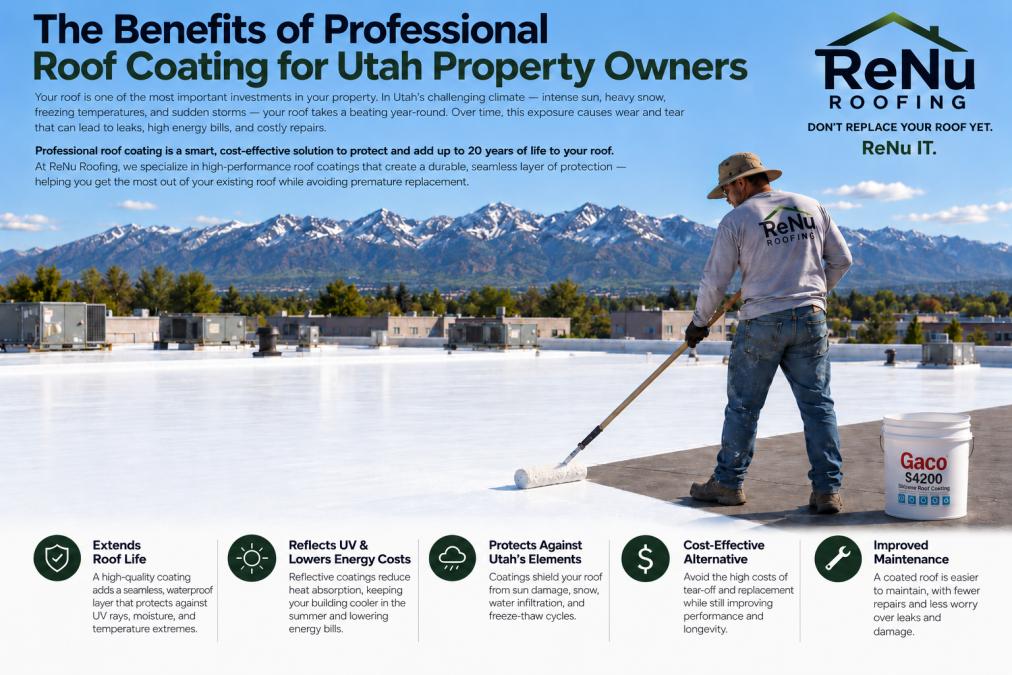
Utah's high desert climate is brutal on roofing systems. Intense UV exposure, freeze-thaw cycles, and sudden temperature swings cause commercial roofing systems to degrade far faster than in milder regions (energy.gov). ReNu Roofing uses GacoFlex silicone roof coating systems to help protect qualifying existing roofs from UV exposure, water and normal weathering. GacoFlex S42 is a high-adhesion, 100% silicone coating that can create a seamless, weather-tight membrane when properly installed over a suitable roofing substrate. For qualifying projects, ReNu Roofing can provide a 20-year warranty, giving building owners long-term protection and greater confidence in restoring rather than prematurely replacing their roof.
The core value of professional roof coating services is avoiding the disruption and expense of a full tear-off. A properly installed coating system can transform a suitable existing commercial roof into a seamless, reflective, weather-tight surface without removing the existing roofing system. At ReNu Roofing, we use GacoFlex silicone coating systems to help restore and protect qualifying commercial roofs, potentially saving property owners significant replacement costs while extending the useful life of the existing roof. The real question is whether your roof qualifies for restoration or truly needs replacement, which depends on the current condition of the roofing membrane, substrate and overall system.
Roof Restoration vs Replacement Cost: What Utah Business Owners Need to Know
For many Utah building owners, the financial decision between restoration and replacement often comes down to more than just the upfront bid. While a full tear-off can cost two to three times more than a professionally applied coating system, the true value of restoration lies in its return on investment (ROI) over the next decade. To understand which path is right, you have to look beyond the invoice and consider the lifecycle cost of your roof asset.
The Cost of Delaying Roof Maintenance: Why Inaction Is the Most Expensive Option
The most costly scenario isn't choosing between restoration and replacement, it's doing nothing. A roof with a worn surface membrane allows moisture to infiltrate the insulation and decking. Once that structural rot sets in, the roof is beyond saving, and you are forced into a full replacement. This is why a professional inspection is not just a maintenance step; it is a financial risk assessment. Identifying surface-level wear early preserves your option to restore, which is always the more capital-efficient path.
Calculating the True ROI of a Coating System
To calculate the ROI, property owners should consider the 'avoided cost' of replacement. Here is a practical framework for evaluating the financial benefit:
- Determine the Replacement Cost: Get a firm quote for a full tear-off and installation of a new roofing system. This includes disposal fees, new materials, labor and related costs.
- Determine the Restoration Cost: Get a quote for a professional coating system, including surface preparation, necessary repairs, primers or base coats when required, the coating materials and professional installation.
- Calculate the Savings: Subtract the restoration cost from the replacement cost. This is your immediate cash savings.
- Factor in Energy Savings: Gaco’s reflective white silicone coating can help reduce heat absorption and cooling demand by reflecting solar radiation. Gaco cites EPA data estimating potential net annual savings of approximately $0.50 per square foot of reflective roof. For example, a 20,000-square-foot roof could represent approximately $10,000 in potential annual energy savings based on that estimate. Actual savings vary depending on the building, insulation, HVAC system, climate and other factors. ReNu Roofing uses GacoFlex silicone roof coating systems to help qualifying commercial roofs take advantage of these reflective properties while also protecting the existing roofing system. Gaco’s data on potential energy savings
- Consider the Extended Lifespan: A properly installed GacoFlex silicone coating system can help extend the useful life of a suitable existing roof while protecting it from UV exposure, water and normal weathering. For qualifying ReNu Roofing projects, we can offer a 20-year warranty on the Gaco roof coating system, providing building owners with long-term protection and peace of mind.
A Decision Matrix for Your Roof's Condition
The choice between restoration and replacement isn't a coin flip; it is a diagnosis. The table below outlines the typical decision path based on the physical condition of the roof assembly.
Option | Structural Condition | Surface Condition | Financial Outcome |
|---|---|---|---|
Full Replacement | Decking is rotted, saturated, or structurally unsound. | Membrane is beyond repair with widespread delamination or multiple active leaks. | Highest immediate cost; resets the clock on the entire roof system. |
Restoration (Coating) | Decking and insulation are dry and structurally sound. | Surface shows aging, wear, cracking, or other conditions that can be properly repaired and coated. | Lowest immediate cost; defers replacement and may provide energy savings through a reflective roof surface. |
Maintenance / Recoating | Decking and existing roofing systems are sound. | Existing coating or roofing surface is aging but remains suitable for recoating. | Can help maintain the roofing system and delay more extensive restoration or replacement. |
The right choice depends on the condition of the existing roofing system—not simply its age. ReNu Roofing evaluates the existing roof to determine whether restoration with a GacoFlex silicone coating system is appropriate. When the roof and substrate are sound and suitable for coating, restoration may provide an opportunity to protect the existing system and delay a more costly replacement. If the roof has significant structural damage, saturated materials, or conditions that make coating unsuitable, replacement may be the better solution.
Gaco Roof Coating Benefits: Built for Utah Weather
Gaco coatings are engineered for exactly the conditions Utah delivers. These polyurethane foam and silicone systems provide a monolithic, seamless barrier that handles ponding water, hail impact, and extreme UV exposure. Gaco products carry warranties up to 20 years depending on the system selected, giving property owners long-term peace of mind.
What sets Gaco apart is its ability to flex with temperature changes. Thermal shock from scorching summer days to freezing winter nights causes rigid materials to crack. Gaco's elastomeric properties expand and contract without breaking the seal. The coating also reflects UV rays rather than absorbing them, which reduces the heat load on your building and slows the aging process of the roof structure below.
How Energy Efficient Roof Coatings Lower Your Utility Bills
Energy efficient roof coatings do more than protect the membrane, they can actively cut cooling costs. A reflective coating bounces solar radiation away from the building instead of letting it soak through the roof deck. During Utah's hot summers, this measurable difference keeps interior temperatures lower without overworking your air conditioning.
The savings compound over time. A roof that stays cooler reduces HVAC strain, which lowers monthly utility bills and extends the lifespan of your cooling equipment. Many owners notice the difference within the first billing cycle after application. For commercial buildings with flat roofs and large surface areas, the energy savings can be significant enough to justify the coating investment on their own, before factoring in the extended roof life.
What To Expect During a Professional Roof Coating Project
Understanding what happens during a professional roof coating application is critical to trusting the outcome. A seamless waterproof membrane is only as good as its preparation and application. Here is a transparent, step-by-step look at what a certified Gaco application entails, from the first inspection to the final cure.
Phase 1: Professional Roof Inspection
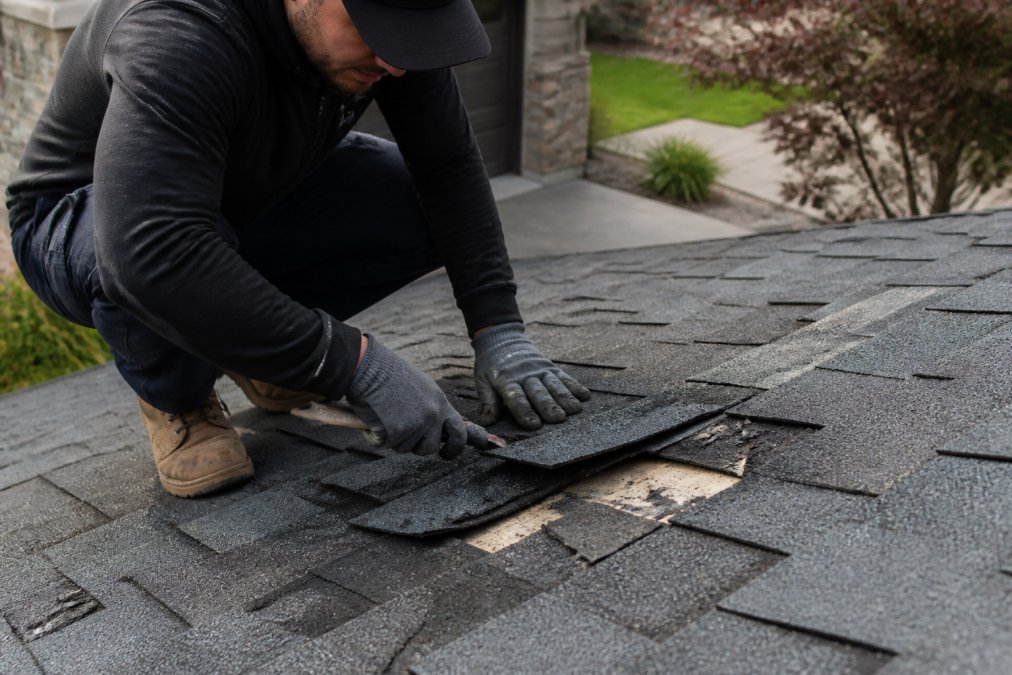
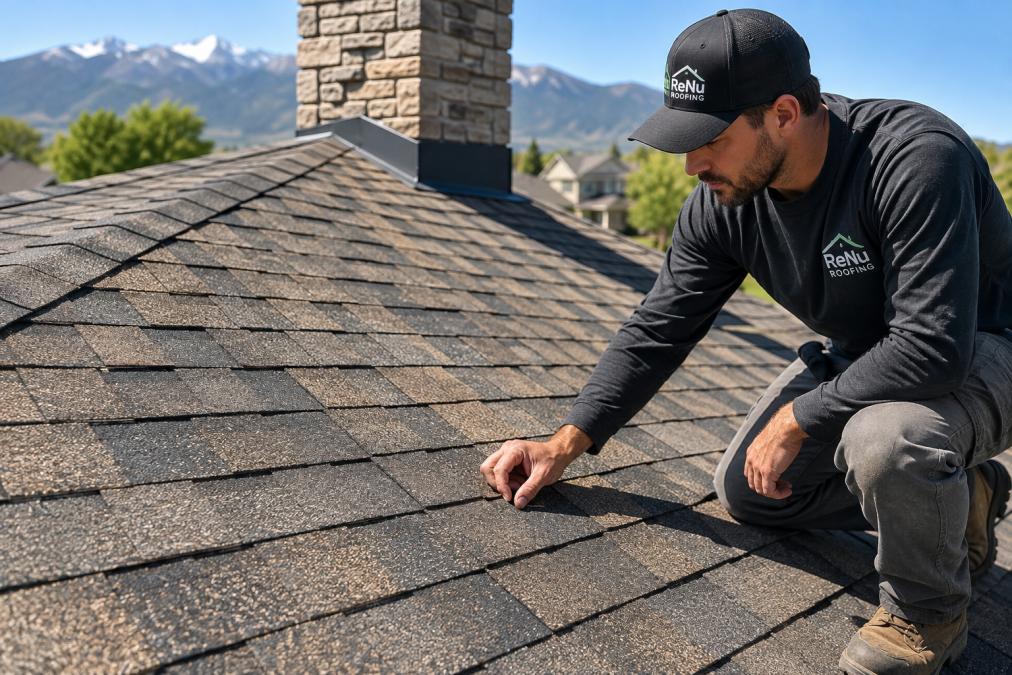
Before coating begins, the existing roof is carefully inspected to determine whether it is a good candidate for restoration. This includes evaluating the roof surface, seams, flashings, penetrations, drainage, existing damage, and areas of potential moisture intrusion. Any structural or moisture-related problems that could affect the coating system should be addressed before coating. Gaco specifications require the substrate to be properly prepared and unsuitable or wet roofing materials to be repaired or replaced before the coating system is installed.
Schedule Your FREE Roof Inspection →
Phase 2: Surface Preparation and Repair
Once the roof is determined to be a good candidate, the surface is thoroughly prepared for the Gaco coating system. Proper preparation is one of the most important steps in achieving strong adhesion and long-term performance.
- Roof Cleaning: The roof is cleaned using methods appropriate for the existing roofing material to remove dirt, debris, biological growth, loose material, and other contaminants. The surface must be properly prepared and dry before coating.
- Flashings and Penetrations: Flashings, pipe penetrations, HVAC curbs, drains, vents, and other vulnerable areas are inspected and repaired or sealed as needed before coating.
- Roof Repairs: Cracks, open seams, damaged areas, and other defects are repaired using compatible materials and Gaco-approved products as required by the specific roof system.
Phase 3: Seam, Flashing & Penetration Detailing
Before the main silicone coating is applied, critical areas of the roof are carefully detailed to help protect against water intrusion. Depending on the existing roof system and project requirements, Gaco-approved detailing methods may include GacoPatch silicone roof sealant, GacoFlex SF4200 SeamSeal, GacoFlex 66S reinforcing polyester mesh, or other approved Gaco products.
Primer is used when required by the specific substrate and Gaco system specifications. Once preparation and detailing are complete, GacoFlex S4200 silicone roof coating is applied according to the required coverage and film thickness for the selected system.
Phase 4: Gaco Silicone Coating Application
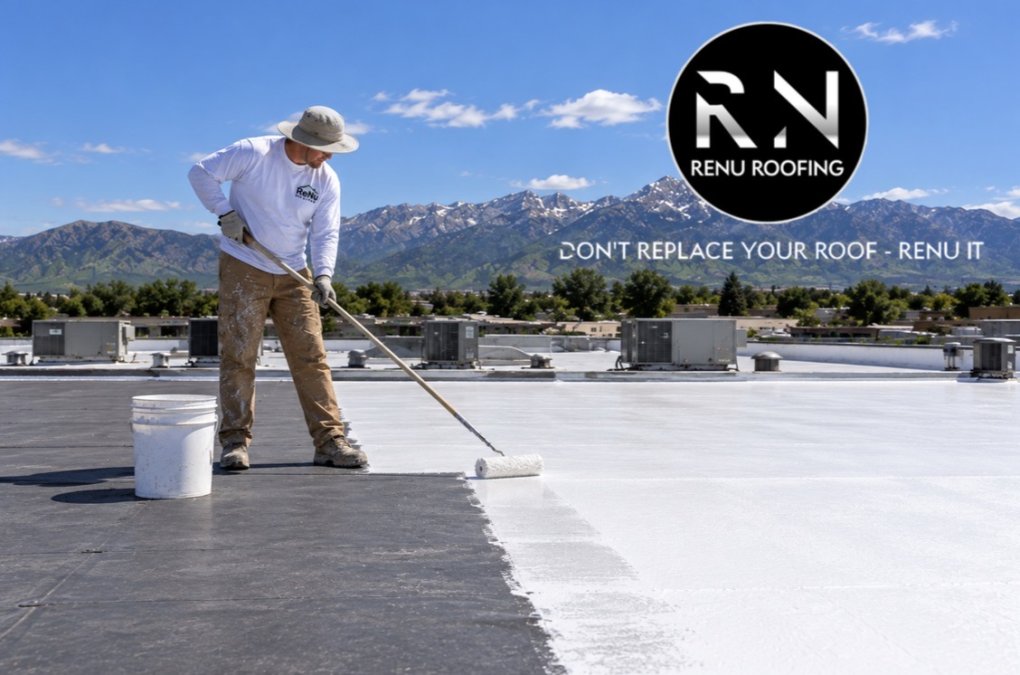
Once preparation and detailing are complete, GacoFlex S4200 silicone roof coating is applied according to Gaco’s system specifications. The silicone coating forms a seamless protective membrane designed to provide durable protection against UV exposure, weather, and moisture. Depending on the roof system and specification, S4200 may be applied as a one-coat system, while additional detailing or coating passes may be required in specific areas.
The Timeline: What to Expect
A typical commercial roof coating project follows a predictable timeline, though weather and roof size can cause variation:
- Day 1: Inspection & Project Planning: Inspect the roof, identify repairs, and plan the GACO coating system.
- Day 2-3: Surface Preparation & Repairs: Roof cleaning, repairs, seam treatment, and flashing preparation.
- Day 4: Primer & Reinforcement: Apply primer where required (if needed) and reinforce seams, penetrations, and critical areas.
- Day 5: Silicone Top Coat: Apply GacoFlex silicone coating at the specified coverage rate and thickness.
- Day 6+: Cure & Final Inspection: Allow the coating to cure according to GACO requirements, then complete a final inspection.
DIY vs. Professional Application: The Risks of Getting It Wrong
Attempting to apply roof coating yourself is a gamble with high stakes. Manufacturers like Gaco require certified professional installation to validate their warranty terms. A DIY application voids that protection, leaving you responsible for any future failure.
The risks go beyond warranty issues. Roof coating is a specialized trade requiring experience with moisture mitigation, proper thickness, and seam reinforcement. Apply it too thin and it fails prematurely. Miss a spot in the substrate and water finds it. Working at height with liquid materials also carries genuine safety risks that professionals are trained and equipped to manage. When the coating fails because of improper installation, the cost to fix it far exceeds what professional application would have cost initially.
Signs Your Roof Needs a Professional Coating
Knowing when to act prevents small issues from becoming structural & expensive problems. Several warning signs indicate your roof is a candidate for coating before replacement becomes necessary:
Recurring leaks or interior water stains
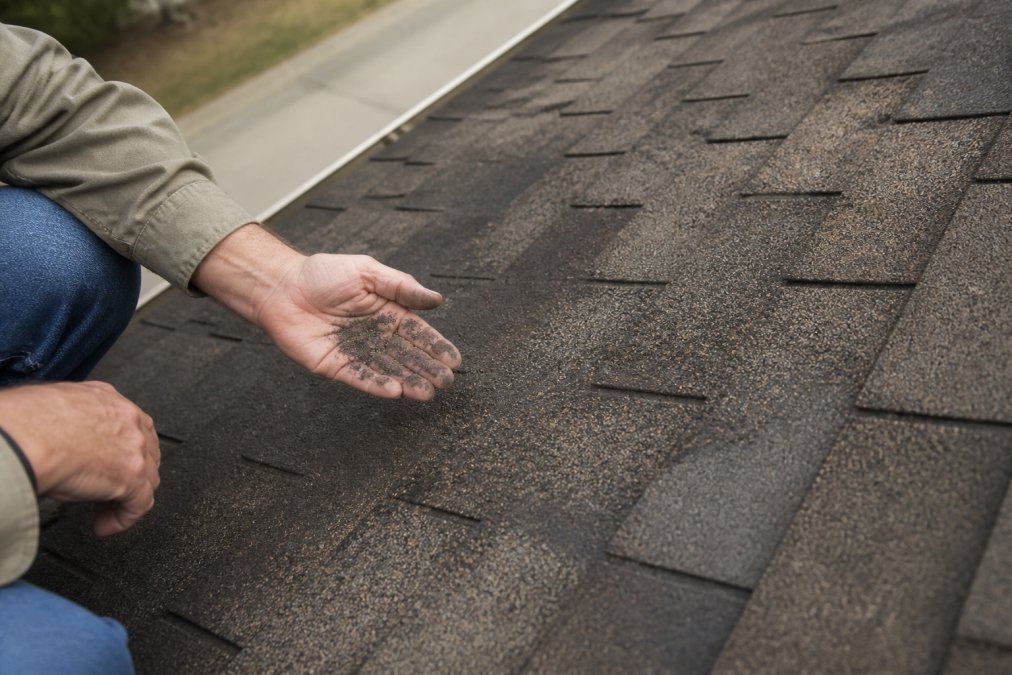
Cracked, weathered, or deteriorating roof surfaces
Worn seams, flashings, or penetrations
Ponding or standing water
Aging roofing that is still structurally sound
UV and weather-related surface deterioration
Roof age 10-15 years and older
Catching these signs early is the difference between a cost-effective restoration and a forced replacement. Regular roof inspections catch developing issues while the structure remains sound. If you notice any of these indicators, a professional evaluation determines whether coating will solve the problem or if more extensive work is needed.
Get Your Free Estimate from ReNu Roofing
Your roof is one of the largest investments you will make in your property. Protecting that investment with professional roof coating services extends its life, improves energy efficiency, and prevents costly water damage, all for a fraction of replacement cost. The key is acting before the roof reaches the point of no return.
ReNu Roofing specializes in professional roof protective coatings for residential and commercial properties across Utah. We provide honest assessments of whether restoration or replacement fits your situation, backed by a 20-year warranty on specific coatings. Our team handles the complete process, from inspection through preparation and application, using premium Gaco systems designed for Utah's climate.
Don't wait until the next storm reveals a leak. Contact ReNu Roofing today for a free estimate and discover how much life your current roof has left, and how much more life we can add to it.

Frequently Asked Questions
How long do professional roof coatings last?
Professional roof coatings from ReNu Roofing are designed to add years of service life to a qualifying existing roof. The exact lifespan depends on the coating system, condition of the existing roof, installation, weather exposure, and maintenance. Gaco coating systems are available with warranties of up to 20 years, depending on the system and warranty requirements. A professional inspection can determine whether your roof is a good candidate for coating.
Can a roof coating save money compared with roof replacement?
Yes, if an existing commercial roof is structurally sound and suitable for restoration, a professional coating can extend its service life without the cost, tear-off, disposal, and disruption of a full roof replacement. Reflective silicone coatings can also help reduce heat absorption and cooling demand during hot weather, potentially lowering energy costs. A professional inspection can determine whether coating is a cost-effective option for your property.
Can roof coatings fix ponding water issues?
Yes, but only with the right system. Gaco coatings create a seamless waterproof membrane that can handle ponding water, which is why they are a top choice for commercial flat roofs in Utah. The coating must be applied over proper substrate preparation and repairs. A professional contractor will fix drainage issues or low spots before applying the coating to ensure long-term performance.
What is the process for applying a professional roof coating?
The process starts with a thorough inspection to identify damage, leaks, and areas needing repair. Next, the roof surface is cleaned to remove dirt, debris, and loose material. Necessary repairs and seam reinforcement are completed, and a primer is applied if needed. Finally, the coating is applied at the required coverage and thickness to create a seamless, waterproof protective membrane. Final inspection and curing complete the process. Professional application is critical for adhesion and warranty validation.