 How-to
When Should I Replace My Roof? Know the Signs
Last Updated: October 27, 2026
Quick Summary
You should replace my roof when damage is widespread, the roof is past 75% of its expected lifespan, or you have had two or more repairs in a single year. Curling shingles, granule loss, sagging, and leaks in multiple locations all point to replacement rather than another patch.
- Most asphalt shingles carry a manufacturer lifespan of 20 to 30 years, though many fail sooner.
- Damage across more than roughly a quarter of the roof surface usually makes replacement the better value.
- Rejuvenation can extend the life of aging asphalt shingles by 5 to 15 years.
- Every rejuvenation job we do is backed by a 6-year transferable warranty.
- Gaco roof coatings are only for flat commercial roofs and carry warranties of up to 20 years.
Table of Contents
- Signs You Need a New Roof (And What They Actually Mean)
- How Long Do Asphalt Shingles Last?
- Roof Replacement vs Repair: How to Decide
- Your Roof Inspection Checklist
- Roof Age, Climate, and Ventilation: The Factors That Speed Up Replacement
- Extending Roof Life: Rejuvenation vs Full Replacement
- Book a Roof Assessment Before You Commit to Replacement
- Frequently Asked Questions
Signs You Need a New Roof (And What They Actually Mean)
Knowing when to replace my roof comes down to reading the warning signs early. Most homeowners wait until water is dripping through a ceiling. By then, the damage has spread. Below, we break down what each clue actually means, so you can act before a repair turns into a full replacement.
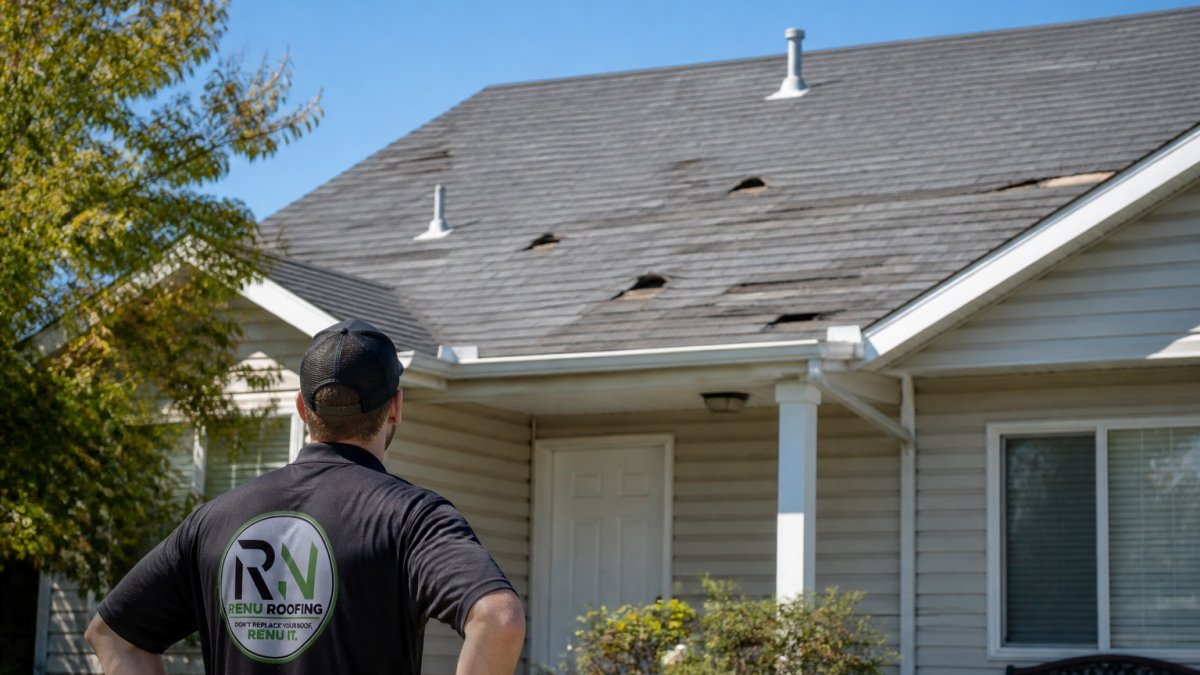
Exterior Clues: Curling, Missing, and Granule-Loss Shingles
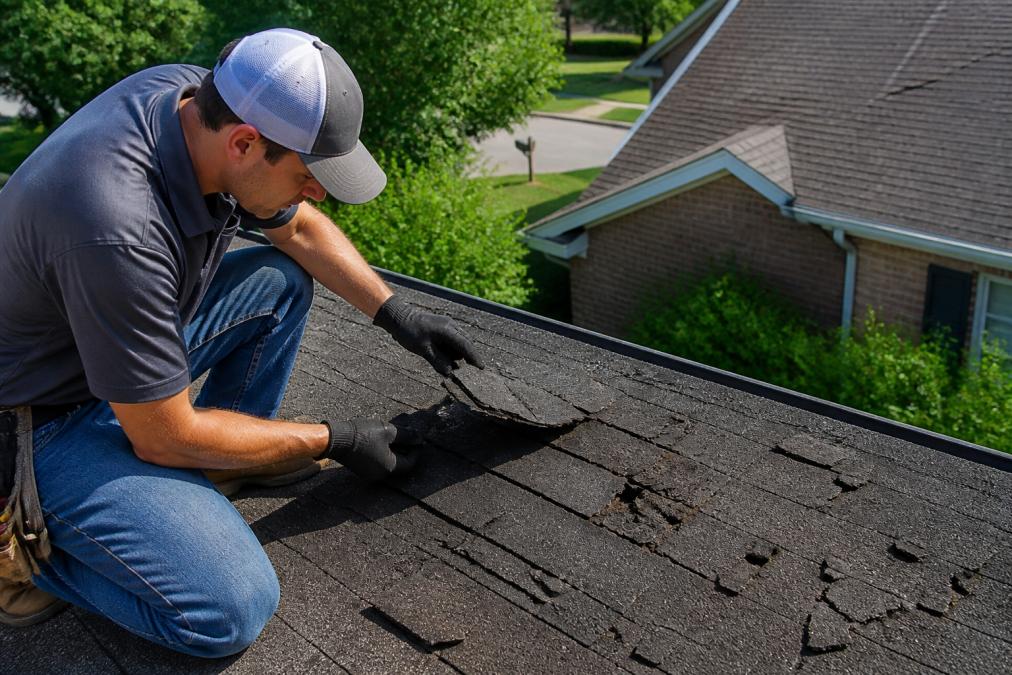
Start with a walk around the house. Curling shingles look like they are peeling up at the edges. Missing shingles are an open door for water. Granule loss shows up as bald patches or grit in your gutters. If you spot granule loss, our guide on how to identify early signs of shingle granule loss walks through exactly what to look for.
Interior Clues: Water Stains, Leaks, and Sagging
Look up at your ceilings and inside the attic. Brown rings or water stains can indicate moisture. A sagging roofline is a visible sign to have assessed. When in doubt, get a professional inspection.
How Long Do Asphalt Shingles Last?
Most asphalt shingles carry a manufacturer lifespan of 20 to 30 years. Architectural shingles tend to last longer than standard three-tab shingles. But the projected lifespan on the package is a best case, not a promise. Real roof life depends on climate, ventilation, and installation quality. A roof that hits 20 years is entering the window where you should start planning for replacement, even if it still looks decent from the street.
Why the 30-Year Shingle Rarely Sees 30 Years
Here is what most guides miss. A "30-year" rating assumes ideal conditions that few roofs ever get. Poor attic ventilation traps heat and bakes the shingles from below. Hail, wind, and ice wear them down faster. And shortcuts during installation shorten life from day one. In practice, many shingles start failing well before the label suggests. That is why we judge roof age alongside condition, not by the calendar alone.
Lifespan by Roofing Material: A Comparison
Asphalt is the most common residential roof, but it is not the only material you will encounter. The table below gives a practical working range for each common roofing type, along with the warning signs that tell you it is nearing the end. Treat these as planning ranges, not guarantees, installation quality and local weather can move any roof up or down within its band.
| Material | Typical Service Life | Key Warning Signs |
|---|---|---|
| Three-tab asphalt shingles | 15-20 years | Curling edges, granule loss, bald patches, grit in gutters |
| Architectural asphalt shingles | 20-30 years | Cracked tabs, lifted shingles, exposed mat, recurring leaks |
| Metal (standing seam, panels) | 40-70 years | Loose fasteners, failing sealant at seams, rust or chalky paint, denting from hail |
| Clay or concrete tile | 40-50+ years | Cracked or slipped tiles, broken pieces after storms, deteriorated underlayment beneath intact tile |
| Slate | 75-100+ years | Cracked or flaking slates, missing pieces, corroded flashing, sagging deck |
| Wood shakes and shingles | 25-40 years | Rot, splitting, curling, moss growth, loose fasteners |
| Synthetic/composite | 30-50 years | Fading, cracking, lifting, color loss |
Matching Material to Replacement Timing
If you are unsure which material you have or how old it is, a professional inspection can identify it. For asphalt roofs specifically, our guide on how to identify early signs of shingle granule loss shows what to watch as the roof ages.
Roof Replacement vs Repair: How to Decide
Repair versus replacement is a decision homeowners may face. If the damage is contained, our guide to what the 25% rule for roofing means explains the repair thresholds and insurance angles that often settle the call.
A Practical Decision Framework
1. How extensive is the damage?
- Isolated damage in one area, with sound shingles around it → repair.
- Damage spread across multiple slopes or more than roughly a quarter of the roof surface → replacement is usually the better value.
- Widespread granule loss, curling, or exposed mat across the field of the roof → replacement.
2. How old is the roof relative to its expected life?
- Under 50% of expected lifespan with a localized problem → repair.
- Past 75% of expected lifespan → plan for replacement, even if you patch now.
- At or beyond expected lifespan → replacement is the default; repairs are temporary.
3. How often are you repairing?
- One repair in the past few years → repair again if the issue is contained.
- Two or more repairs in a single year, or repairs on the same area repeatedly → replacement.
- A repair history that is accelerating → replacement.
4. What is the underlying cause?
Schedule Your FREE Roof Inspection Today →
- Storm damage, a failed flashing detail, or a single damaged shingle → repair.
- Poor ventilation, chronic moisture, or installation defects causing repeated failures → replacement, because the cause will keep producing new problems.
If the answers point in different directions, weight damage extent and repair frequency most heavily. Those two are the strongest predictors that a roof is finished.
When Repair Is the Right Call
Repair makes sense when the problem is localized and the rest of the roof is sound. Common repair scenarios include a failed pipe boot, a damaged flashing detail around a chimney, a few wind-lifted shingles, or a single leak traced to one penetration. In these cases, a targeted repair restores protection without the cost and disruption of a full tear-off. The key is confirming the surrounding shingles are still flexible and well adhered, if they are brittle or balding, a patch will not buy much time.
When Replacement Is the Right Call
Replacement is the better investment when the roof is failing as a system rather than at one point. Signs include leaks in multiple locations, shingles that are curling or losing granules across large areas, sagging along the roofline, and a roof that has already been repaired several times. At that stage, each new repair is a stopgap, and the money spent on patches is money not spent on a roof that will last decades. Replacement also lets you correct underlying problems, ventilation, flashing, underlayment, that repairs alone cannot fix.
The Middle Path: Rejuvenation
For residential asphalt roofs that are aging but not failing, rejuvenation can sit between repair and replacement. It restores flexibility to shingles and reduces granule loss, which can extend roof life by 5 to 15 years. We back every rejuvenation job with a 6-year transferable warranty. If you are weighing the options, see how roof rejuvenation compares to replacement on lifespan and results.
Your Roof Inspection Checklist
A roof inspection is a structured check of your roof's condition, inside and out. Use this checklist to spot problems early:
- Check for curling, cracked, or missing shingles
- Look for bald patches and granule loss
- Scan gutters for shingle grit
- Inspect ceilings and attic for water stains
- Look for sagging along the roofline
- Check flashing around chimneys and vents
- Look for moss or algae growth
- Confirm attic ventilation is working
Roof Age, Climate, and Ventilation: The Factors That Speed Up Replacement
Three forces shorten roof life faster than anything else. Local climate is the first. Seasonal weather like hail, heavy snow, and freeze-thaw cycles wears shingles down quickly. Attic ventilation is the second. A hot, poorly vented attic cooks shingles from underneath. Installation quality is the third. Nails set wrong or flashing done poorly cause early failures. A roof of the same age can last years longer in one home than another based on these factors alone.
Extending Roof Life: Rejuvenation vs Full Replacement
For residential asphalt roofs, rejuvenation is an alternative to replacement. Rejuvenation restores flexibility to aging shingles and reduces granule loss. It can extend roof life by 5 to 15 years. We back every rejuvenation job with a 6-year transferable warranty. For homeowners considering rejuvenation, our guide on how to extend asphalt roof life covers maintenance. If you are weighing the two options, see how roof rejuvenation compares to replacement on lifespan and results.
For commercial flat roofs, we use Gaco roof coatings. These are only for flat roofs, not residential asphalt. They carry a warranty of up to 20 years. Separating the two keeps each warranty accurate.
Book a Roof Assessment Before You Commit to Replacement
Do not replace a roof on a hunch. Get a professional assessment first. At ReNu Roofing, we offer roof rejuvenation, repairs, and coatings. Get started with ReNu Roofing and book a roof assessment before you commit to a full replacement.
Frequently Asked Questions
How can I tell if my roof needs to be replaced or just repaired?
A professional inspection can help assess the roof's condition. ReNu Roofing offers roof repair and rejuvenation, which can extend roof life by 5 to 15 years.
Does a 30-year shingle really last 30 years?
Rarely, without help. The 30-year rating assumes ideal ventilation, correct installation, and average weather. In practice, intense sun, hail, wind, and poor attic ventilation can shorten how long asphalt shingles last well before the label date. Many roofs show serious wear in their late teens or early twenties. That is why routine maintenance and periodic rejuvenation matter: they can extend roof lifespan by years and push back the replacement timeline.
What should I ask a roofer during a roof inspection?
Ask what the inspection covers and what warranty applies to any work.
Can a roof last longer than its expected lifespan?
Roof rejuvenation restores flexibility to aging shingles and reduces granule loss, which can add 5 to 15 years of service.
If your roof is showing its age, you do not have to jump straight to a full replacement. ReNu Roofing can assess the damage and recommend rejuvenation, repair, or coating based on what your roof actually needs. Our team extends roof life by 5 to 15 years, restores flexibility and reduces granule loss, and backs rejuvenation with a 6-year transferable warranty. Get started with ReNu Roofing and protect your home without the cost of a full tear-off.