ultimate-guide
What Is the 25% Rule for Roofing?
Table of Contents
- What Is the 25% Rule for Roofing?
- How the 25% Rule Works in Practice
- How to Calculate Roof Repair Percentage Correctly
- Roof Repair vs Replacement Criteria: Where the Line Gets Drawn
- When to Choose Roof Rejuvenation Over Replacement
- The 25% Rule, Building Codes, and Insurance Claims
- Final Verdict: Repair, Rejuvenate, or Replace?
- Frequently Asked Questions
Last Updated: September 7, 2026
What Is the 25% Rule for Roofing?
What is the 25% rule for roofing? It is a guideline stating that if more than 25% of a roof's total surface area is damaged or needs repair, a full roof replacement is typically required rather than patching individual sections. This threshold exists because repairing scattered damage across a large portion of the roof often costs nearly as much as a replacement while leaving the remaining aged shingles in place. Homeowners and property managers wrestle with this rule constantly, unsure whether they are facing a simple repair or a mandatory replacement.
The rule matters because it directly affects your wallet, your insurance claim, and whether your roof passes local building inspections. Many people assume the 25% figure is a strict legal number, but the reality is more nuanced. Below, we will break down how the rule works, how to calculate your roof's damage percentage, and where repair versus replacement decisions actually get drawn.
How the 25% Rule Works in Practice
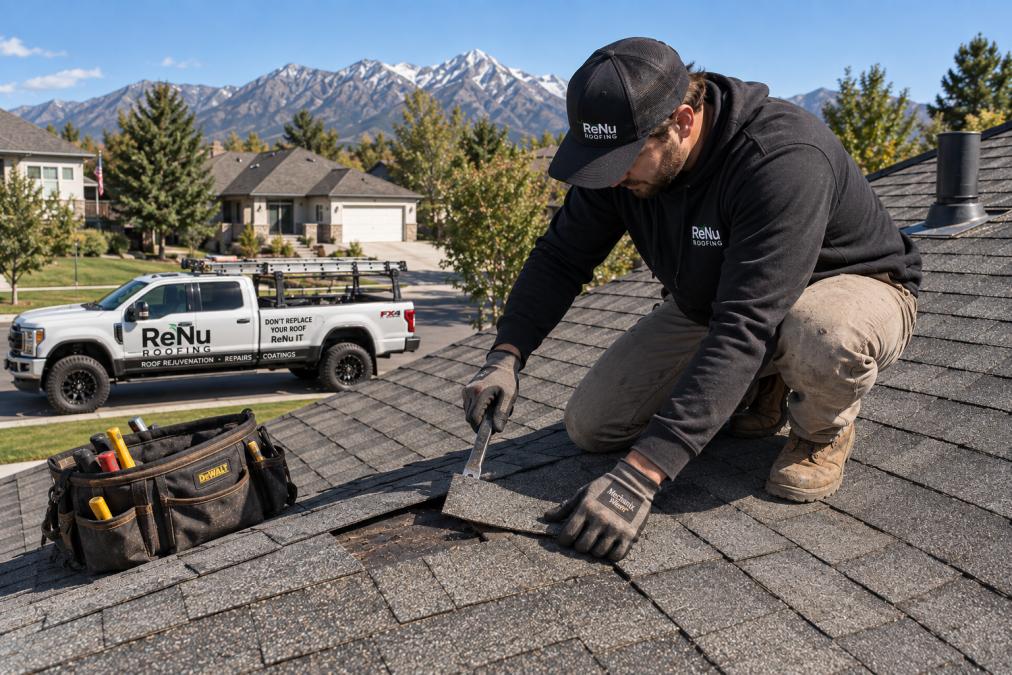
The 25% rule functions as a practical benchmark used by roofing contractors, insurance adjusters, and local building departments to determine the most cost-effective and code-compliant course of action. When damage covers less than a quarter of the roof, a contractor can typically remove and replace only the affected section, matching new shingles to the existing ones as closely as possible.
Once damage exceeds that threshold, the economics shift. Replacing scattered sections across more than 25% of the roof means the remaining old shingles will age at a different rate, creating a patchwork appearance and potential weak points. Most reputable contractors will recommend a full replacement at this point because the labor and material costs of extensive section repairs approach the cost of a complete re-roofing job.
The rule also interacts with the 12-month rolling window used by many insurance policies. This window tracks damage occurring within a specific period, meaning multiple smaller storm events can accumulate toward the 25% threshold. If you file a claim for hail damage in March and another for wind damage in August, an adjuster may combine both under the rolling window to assess whether the total damage now exceeds the repair-versus-replacement line.
How to Calculate Roof Repair Percentage Correctly
Calculating your roof's damage percentage requires accurate measurements of both the damaged area and the total roof surface. Getting this wrong leads to either unnecessary full replacements or denied insurance claims, so precision matters.

Measuring the Damaged Section
Start by identifying every area with visible damage: missing shingles, cracked or curled shingles, granule loss exposing the mat, and any areas with active leaks. Measure the length and width of each damaged section in feet, then multiply to get the square footage. Add all damaged sections together to get your total damaged square footage. For irregular shapes, break the area into rectangles and triangles, calculating each separately before summing.
Calculating Total Roof Area
Your total roof area is the square footage of your roof's footprint, adjusted for pitch. Measure the length and width of your home's exterior walls to get the footprint area, then multiply by a pitch factor. A low-slope roof with a 3:12 pitch uses a factor around 1.03, while a steeper 6:12 pitch uses roughly 1.12. Your roofing contractor or a satellite measurement service can provide this figure if you do not feel comfortable climbing up to measure it yourself.
Applying the 12-Month Rolling Window
Once you have both numbers, divide the damaged square footage by the total roof area and multiply by 100 to get your damage percentage. If the result exceeds 25%, most contractors and adjusters will classify the roof as a candidate for replacement rather than repair.
Roof Repair vs Replacement Criteria: Where the Line Gets Drawn
The 25% rule is a strong starting point, but the final repair versus replacement decision depends on factors that go beyond raw square footage. Two roofs with identical damage percentages can warrant completely different outcomes based on age, material condition, and structural health.
Material Compatibility and Shingle Matching
Asphalt shingles fade and weather at different rates depending on sun exposure and local climate. If your roof is more than halfway through its expected lifespan, typically 10 to 15 years into a 20 to 25-year shingle, finding replacement shingles that match the existing color and texture becomes difficult. Even when a color match exists, the new shingles will stand out against the weathered older ones. Many roofing contractors will refuse section repairs on older roofs because the visual mismatch and differential aging can create future liability issues.
Structural Integrity and Decking Condition
Damage percentage only tells part of the story. If water has penetrated the shingle layer and saturated the underlying decking or underlayment, the structural integrity of the roof is compromised regardless of how small the visible damage appears. A roofing contractor performing a damage assessment will check for soft spots in the decking, rusted fasteners, and deteriorated underlayment. When structural issues are present, the repair-versus-replacement calculation shifts decisively toward replacement, even if the visible shingle damage sits below the 25% threshold.
Factor | Repair Likely | Replacement Likely |
|---|---|---|
Damage percentage | Under 25% | Over 25% |
Shingle age | Under 10 years | Over 15 years |
Decking condition | Solid, dry | Soft, water-damaged |
Shingle matching | Good color match | Significant fading |
Prior repairs | Few or none | Multiple patches |
When to Choose Roof Rejuvenation Over Replacement
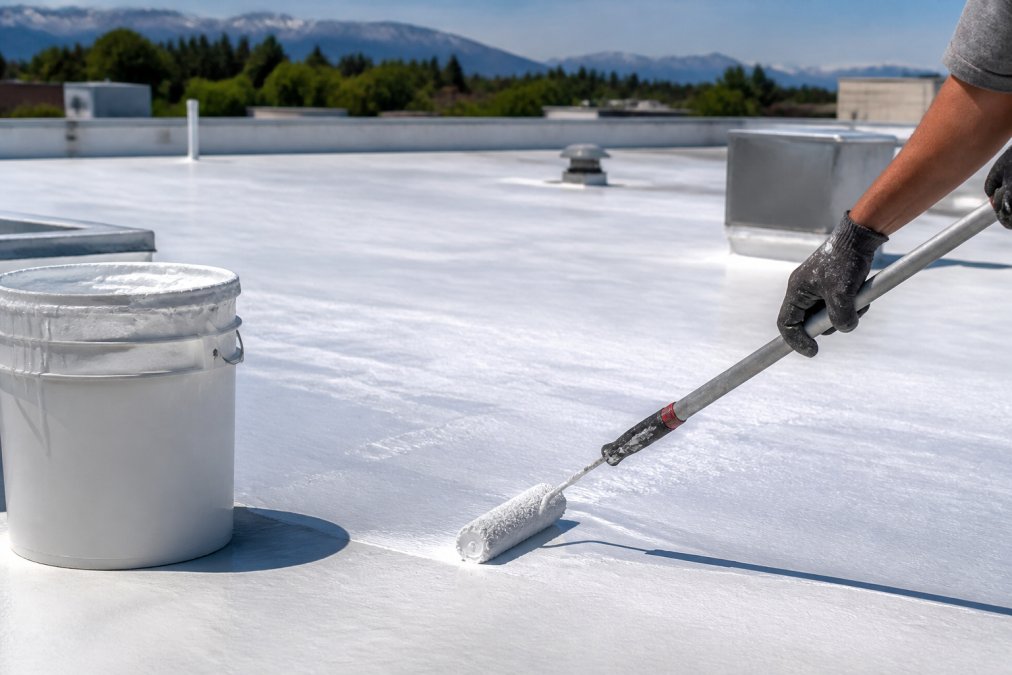
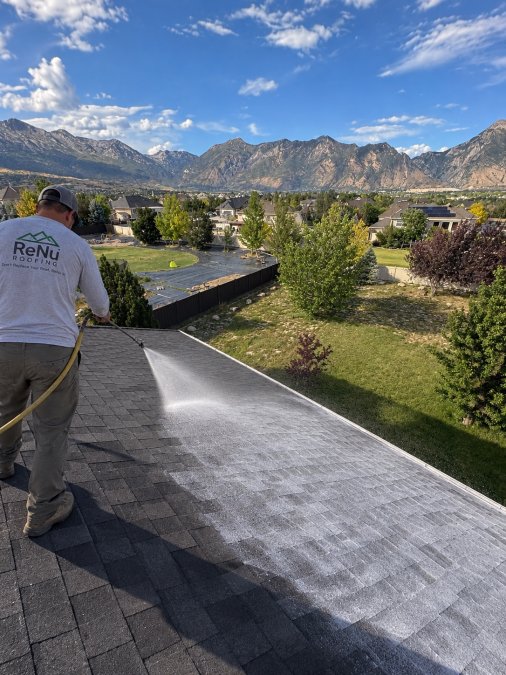
Roof rejuvenation sits between repair and replacement as a third option that many homeowners never learn about. Rejuvenation involves applying a specialized treatment that restores flexibility to aging asphalt shingles, reducing granule loss and extending the roof's functional lifespan by 5 to 15 years. This approach works best when the roof structure is sound, the shingles are not severely damaged, and the primary issue is age-related brittleness rather than storm damage.
The 25% rule does not apply to rejuvenation the same way it applies to repairs. A roof with widespread but minor weathering across its entire surface may have 100% of its shingles affected by oxidation, yet rejuvenation remains a viable option because the shingles themselves are intact. The treatment penetrates the shingle mat, replenishing the oils that keep asphalt flexible and preventing further granule loss.
Roof rejuvenation is particularly attractive for aging-in-place homeowners and property investors who want to delay the significant expense of a full replacement. ReNu Roofing provides professional rejuvenation services backed by a 6-year transferable warranty, giving homeowners confidence that the treatment will hold up. The transferable warranty also adds resale value, a consideration for real estate investors planning to sell within the treatment's lifespan.
Schedule Your FREE Roof Inspection →
The 25% Rule, Building Codes, and Insurance Claims
The 25% rule carries different weight depending on whether you are dealing with your insurance company or your local building department. Understanding this distinction can save you from an unexpected denial or an expensive code violation.
Many insurance policies use the 25% threshold as an internal guideline for determining whether a claim warrants full roof replacement coverage. When damage exceeds the threshold, the adjuster typically authorizes replacement rather than paying for repeated section repairs that would likely fail again in the next storm. However, insurance language varies by policy, and some carriers use different percentages or evaluate each claim individually.
Building codes add another layer. In many jurisdictions, local ordinances require that when a roof is re-roofed, the entire roof must be brought up to current code standards. This means if your contractor starts replacing more than a certain percentage of the roof, the building department may require a full tear-off and re-roofing to meet current material standards and wind uplift requirements. The exact percentage varies by municipality, so checking with your local building department before starting work is essential.
How the Rule Affects Your Claim
When you file an insurance claim, the adjuster will measure the damaged area and compare it to your total roof area. If the damage percentage exceeds 25%, the claim typically moves toward a full replacement payout. If it falls below, the claim covers only the damaged sections, and you are responsible for any additional repairs outside the covered damage.
The 12-month rolling window complicates this process. If your roof sustained minor damage in an earlier storm that you did not claim, that damage still counts toward the total when a new claim is filed. Keeping photographic records of your roof's condition after every storm helps document when damage occurred and supports your position during the claims process.
Common Misconceptions About the Rule
The most widespread misconception is that the 25% rule is a universal building code requirement. It is not. Building codes do not specify a universal 25% threshold for roof replacement (iccsafe.org). The rule originates from insurance industry practices and contractor recommendations, and its application varies by carrier and jurisdiction.
Another misconception is that the rule applies to the number of shingles rather than the surface area. The calculation uses square footage of the total roof area, not a count of individual shingles. A roof with a steep pitch and many small shingles can reach the 25% threshold with fewer physical shingles than a low-pitch roof with larger shingles.

Final Verdict: Repair, Rejuvenate, or Replace?
The 25% rule for roofing provides a useful starting point, but the right decision depends on your roof's age, material condition, structural integrity, and your local building codes. If your damage sits clearly under 25% and your roof is relatively young, a targeted repair is the sensible choice. If the damage exceeds 25% or your decking shows signs of water intrusion, a full replacement is the safer long-term investment. If your roof is aging but structurally sound with no significant storm damage, rejuvenation offers a cost-effective way to extend its life without the expense of replacement.
Getting an accurate assessment requires more than a visual guess from the ground. A professional inspection measures the actual damage percentage, evaluates the decking and underlayment, and checks whether your shingles can be matched or rejuvenated. According to guidance from the National Roofing Contractors Association, a qualified roofing contractor should perform a thorough inspection before recommending any course of action, and homeowners should be wary of contractors who quote replacement without climbing onto the roof.
Insurance adjusters and contractors do not always agree on damage assessments, which is why a second opinion matters. If your contractor says replacement while your adjuster only covers repairs, a documented second inspection from an independent source can help resolve the discrepancy. The Federal Emergency Management Agency's guidance on disaster recovery emphasizes documenting all damage thoroughly before filing claims, as photographic evidence and written estimates strengthen your position during the adjustment process.
The decision ultimately comes down to protecting your home and your budget over the long term. A roof that fails prematurely due to an inadequate repair costs far more than a well-timed replacement or rejuvenation. ReNu Roofing specializes in honest assessments that help homeowners avoid unnecessary full replacements through professional rejuvenation, targeted repairs, and protective coatings designed to extend roof life by 5 to 15 years. Our team provides comprehensive maintenance including gutter cleaning and guard installation, and every rejuvenation service is backed by a 6-year transferable warranty, with a 20-year warranty on all coatings, so your home remains protected through whatever weather comes next.
Making the right call on your roof starts with understanding what the 25% rule actually means and getting an accurate damage assessment. Whether your roof needs a simple repair, full replacement, or rejuvenation to extend its lifespan, an honest evaluation protects both your home and your finances. Contact ReNu Roofing to schedule an inspection and get a clear recommendation based on your roof's actual condition, not a one-size-fits-all sales pitch. Inquire now and find out whether rejuvenation can add years to your roof's life at a fraction of replacement cost.
Frequently Asked Questions
Does the 25% rule apply to all roof repairs?
No. The 25% rule is a building code threshold that applies when repairs touch a certain portion of a roof slope or section. Minor patching, fixing a single leak, or replacing a few shingles typically falls below the threshold. However, the rule is not universal across all jurisdictions. Local building departments adopt and enforce variations of the International Building Code, so the exact percentage and the defined 'roof section' can differ. Always check with your local building department before starting significant repair work.
How does the 25% rule impact insurance claims?
The 25% rule often creates a conflict between your insurer and your local building department. If damage exceeds the threshold, code requires a full roof replacement. Your insurance policy may only cover the damaged portion, not the entire roof. This gap can leave you responsible for the difference. A roofing contractor's estimate documenting code compliance is critical. Ask your adjuster about 'code upgrade' or 'ordinance or law' coverage, which can help pay for the mandatory replacement portion your policy might otherwise exclude.
What happens if a roof repair exceeds 25% of the total area?
When a repair exceeds 25% of the total roof area, most building codes treat the work as a re-roofing project. This triggers full compliance with current code, which typically means a complete tear-off and replacement. You cannot simply patch the damaged section and leave the rest. The existing underlayment and decking must be inspected, and any issues brought up to standard. This requirement exists to protect structural integrity, but it significantly raises the project cost compared to a simple repair.