 How-to
Do I Need a New Roof? How to Tell Before You Spend
Last Updated: October 26, 2026
Quick Summary
You need a new roof when damage is spread across multiple slopes and matches the roof's age, not when a few shingles fail in one spot. Asphalt shingle roofs typically last 15 to 20 years, so widespread wear past that window points toward replacement planning.
- One or two affected areas usually favor repair over full replacement.
- Granule loss is the earliest reliable signal of aging on an asphalt roof.
- Poor attic ventilation bakes shingles from below and shortens their life.
- Photograph every slope before any repair to protect a storm damage claim.
- Residential rejuvenation carries a 6-year transferable warranty from ReNu Roofing.
Table of Contents
- Signs You Need a New Roof (And Which Ones Can Wait)
- How Long Does a Roof Last? Age, Material, and the 15 to 20 Year Window
- Your Roof Inspection Checklist: What to Look For Inside and Out
- Isolated Damage or System-Wide Failure? How to Tell the Difference
- Roof Repair or Replacement: A Decision Framework
- Storm Damage, Insurance, and Warranty Paperwork
- Rejuvenation vs. Replacement: Extending the Life of an Aging Asphalt Roof
- Get an Honest Roof Assessment Before You Commit
- Frequently Asked Questions
Signs You Need a New Roof (And Which Ones Can Wait)
Wondering "do I need a new roof" is one of the most expensive questions a homeowner can ask. The honest answer is often "not yet." Many roofs that look tired from the driveway still have years of service left.
Here is the key idea most guides skip: a handful of failing shingles is not a failing roof. The real question is whether the damage is isolated or spread across the whole system.
Below are warning signs to consider, plus a checklist you can run yourself before anyone climbs a ladder.
Damage You Can See From the Ground
Start with a slow walk around the house. Binoculars help, and so does good light.
Look for:
- Missing shingles that leave dark gaps in the field
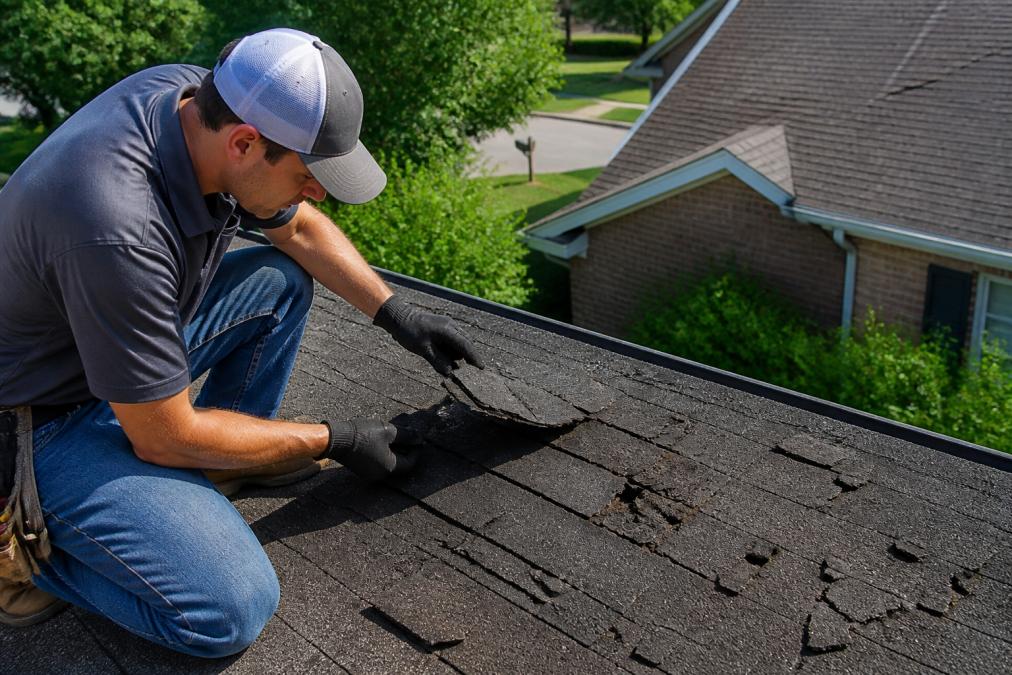
- Curling or clawing edges where shingle corners lift
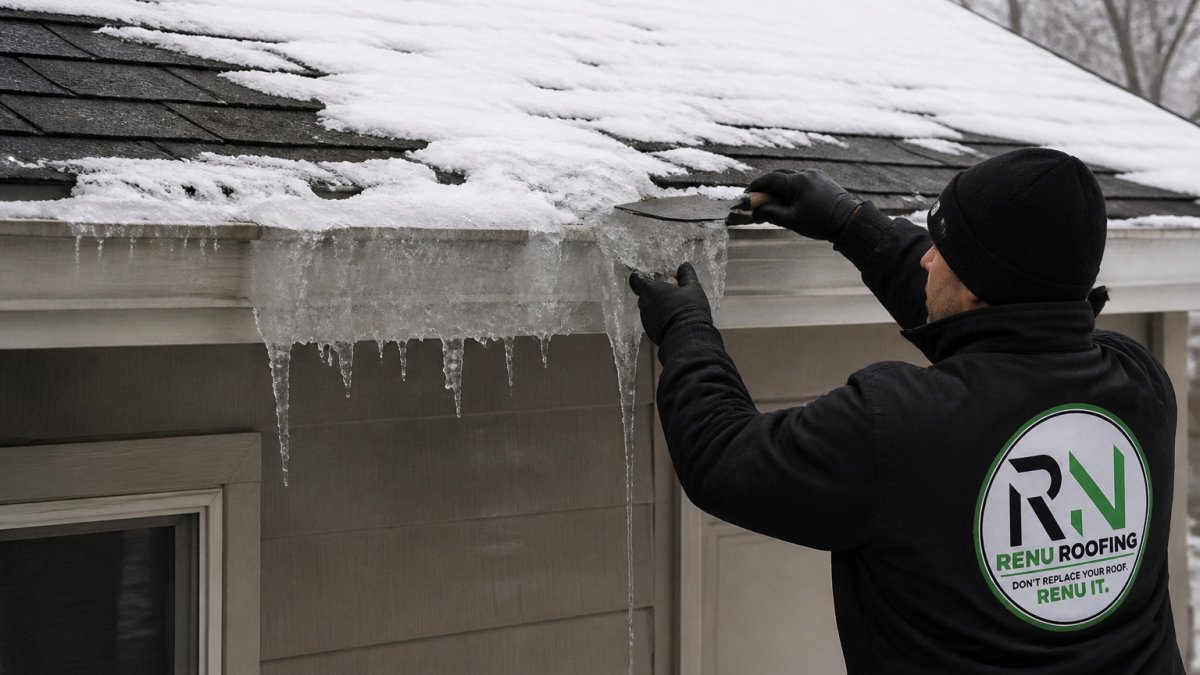
- Cracked shingles, especially after a hard freeze
- Granule loss showing as bald patches or grit in the gutters
- Sagging roof lines along the ridge or eaves
- Loose flashing around chimneys and vents
Granule loss deserves a closer look. Those granules shield the asphalt from sun. Once they wash away, the shingle dries out and cracks. That is a sign of aging, not necessarily a death sentence.
Damage You Can Only Confirm Up Close
Some problems hide until you get on the roof or into the attic. Problems that may be found up close or in the attic include:
- Soft spots in the roof deck
- Sealant failure around penetrations
- Rusted or pulled fasteners
- Water stains on rafters
- Crumbling underlayment
One or two of these in a single spot may call for repair. The same issues spread across several slopes may point toward replacement.
How Long Does a Roof Last? Age, Material, and the 15 to 20 Year Window
A well-installed asphalt shingle roof typically lasts 15 to 20 years. That is the window where most homeowners start asking whether they need a new roof. But age alone does not decide it, and applying one timeline to every roof is the most common mistake in replacement advice.
Each material ages through a different failure mechanism. Knowing which one applies to your roof tells you more than the calendar does.
| Roofing Material | Typical Lifespan | How It Fails | What to Watch For |
|---|---|---|---|
| Asphalt shingles | 15 to 20 years | Sun dries the asphalt; granules wash away and the mat cracks | Bald patches, grit in gutters, curling edges |
| Architectural shingles | 20 to 30 years | Heavier mat resists wear longer, but sealant strips fail first | Lifted tabs, exposed mat at edges |
| Metal panels | 40+ years | Fasteners back out and washers dry out before the metal fails | Loose screws, surface rust, streaking at seams |
| Flat membrane | 15 to 25 years | Seams split and ponding water stresses the membrane | Blisters, seam splits, standing water |
Why Asphalt Shingles Age the Way They Do
Asphalt shingles are a sandwich of asphalt, a fiberglass mat, and mineral granules. The granules are the sacrificial layer. They block ultraviolet light from reaching the asphalt underneath. Once granule loss exposes the asphalt, the sun dries it out, it shrinks, and the shingle curls or cracks.
That is why granule loss is the earliest reliable signal on an asphalt roof. A few bald patches on one slope is normal wear. Bald patches across every slope, with grit filling the gutters, means the protective layer is largely gone.
The Factors That Move the Number Up or Down
Installation quality, attic ventilation, and weather all shift the lifespan window:
- Ventilation: A hot, poorly vented attic bakes the shingles from below and shortens life. Balanced intake and exhaust vents keep the deck cooler.
- Installation: Proper nailing, correct underlayment, and adequate ice-and-water protection at the eaves matter more than the shingle brand.
- Weather: Hail, freeze-thaw cycles, and sustained sun exposure all accelerate wear.
- Maintenance: Clearing debris, keeping gutters flowing, and resealing flashing early extend service life.
If your asphalt shingles are past the 15-year mark and showing widespread wear, replacement planning makes sense. If they are 12 years old with a few bad shingles, repair and maintenance usually win.
Your Roof Inspection Checklist: What to Look For Inside and Out
A roof inspection checklist is a list of spots to check from the ground, in the attic, and on the ceilings below.
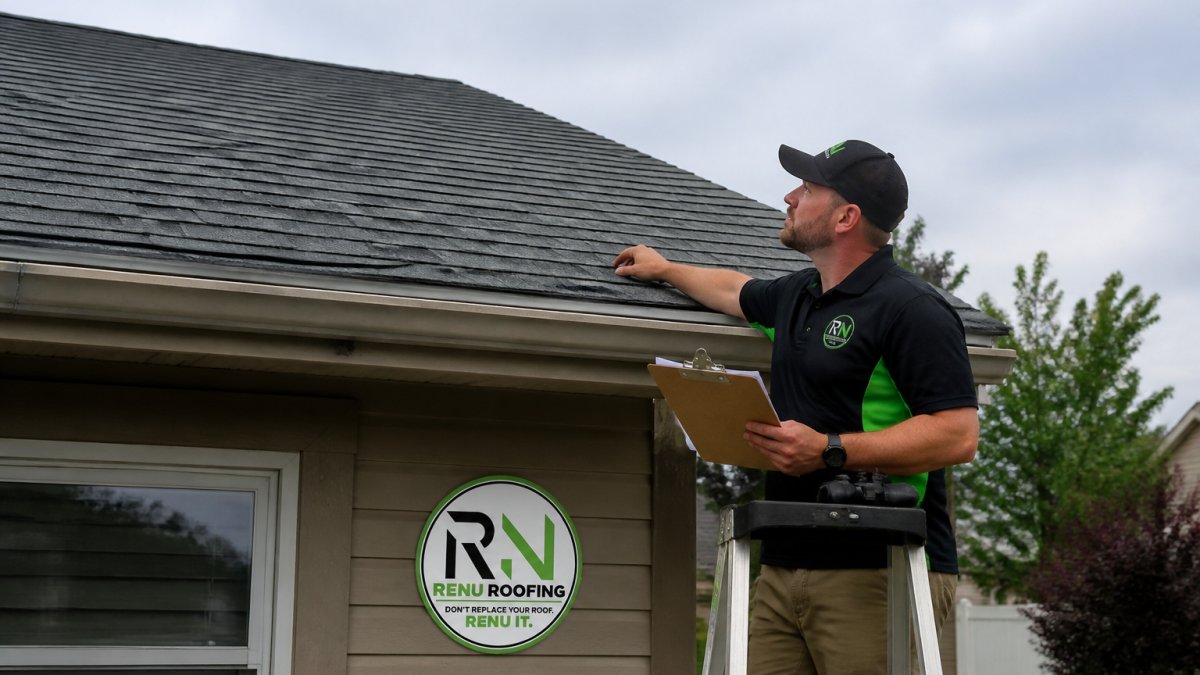
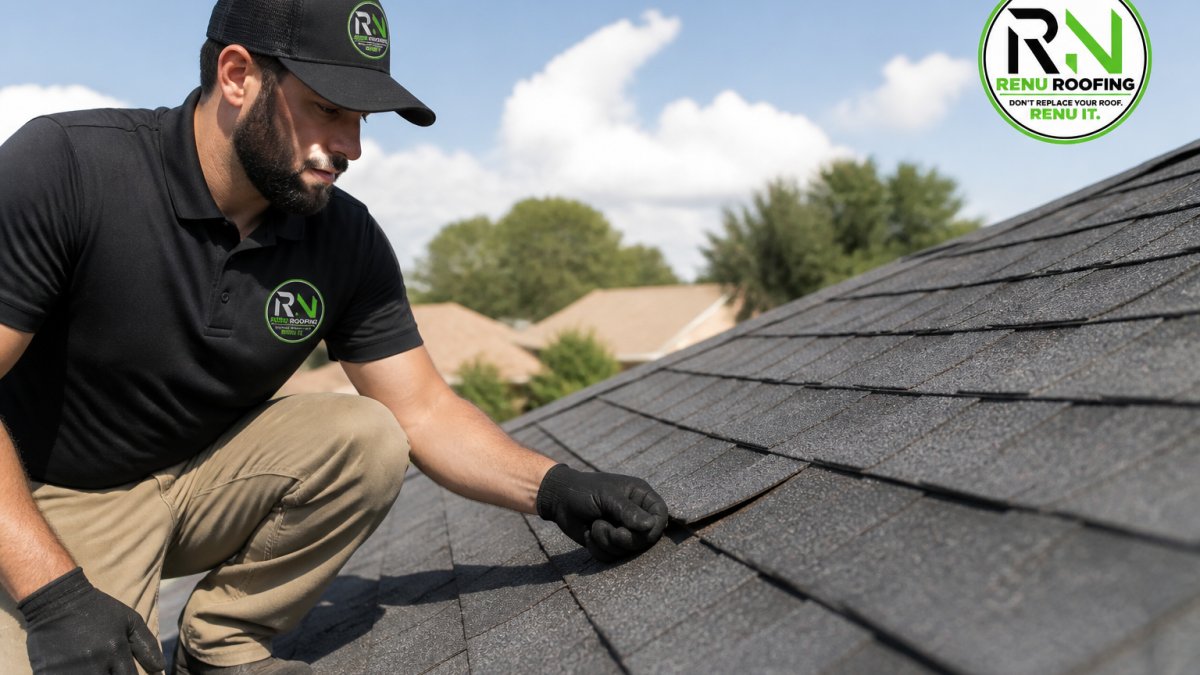
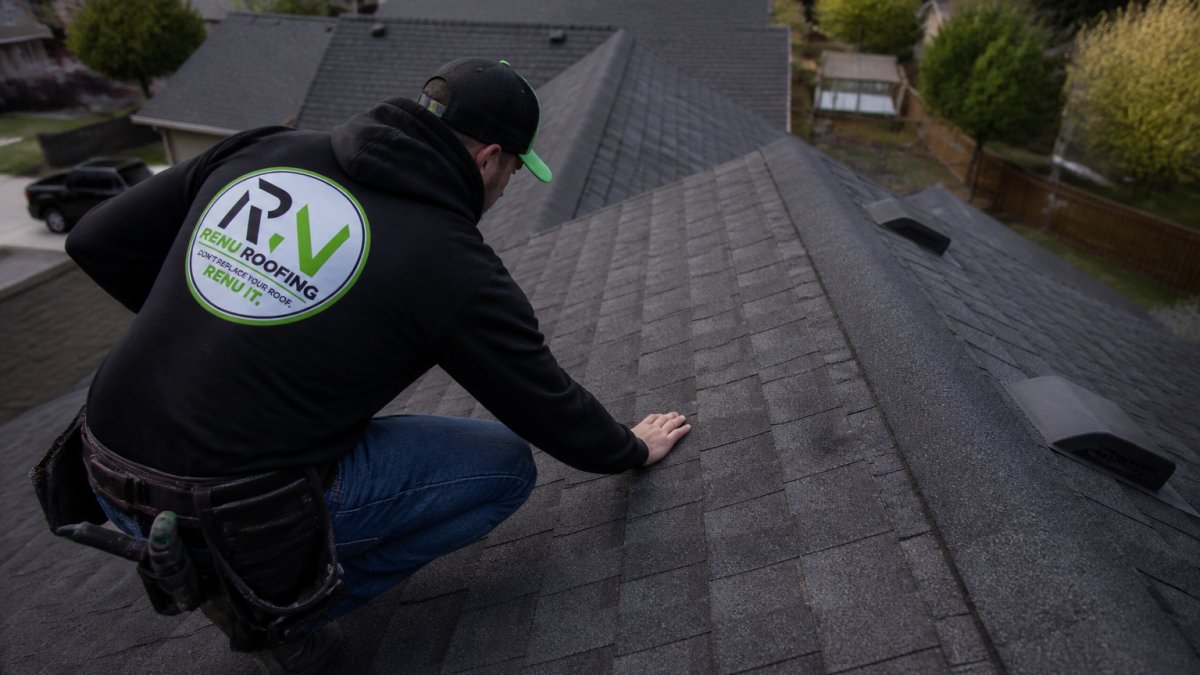
- Scan the field for missing, cracked, or curling shingles
- Check gutters for shingle grit and debris
- Inspect flashing around the chimney and vents
- Look for cracked or dried sealant
- Check the attic for daylight through the deck
- Look for water stains on rafters and insulation
- Check ceilings and walls for brown rings
- Note any sagging along the roofline
Outside: Shingles, Flashing, and Sealant
Loose flashing around a chimney can let water slip behind the shingles. Sealant failure around vents can do the same.
Inside: Attic, Ceilings, and Water Stains
In the attic, look up for daylight through the roof deck, dark rings on rafters, and other signs to investigate. On your ceilings, note any brown water stains.
Isolated Damage or System-Wide Failure? How to Tell the Difference
This is the question that decides repair versus replacement. Isolated damage is confined to one area and often tied to a single event, like a fallen branch. System-wide failure shows up across multiple slopes and follows age patterns.
Ask three things:
- How many areas are affected? One or two spots favors repair.
- Is the damage clustered or spread out? Clustered damage is usually a repair.
- Does it match the roof's age? A 16-year-old roof with wear everywhere is near the end.
If the answer points to broad wear, replacement planning is realistic. If it points to a few bad spots, roof repair is the smarter spend.
Roof Repair or Replacement: A Decision Framework
If a contractor recommends full replacement, ask which specific signs justify it. The NRCA consumer guidance on roof inspections is a useful reference for what a proper inspection should cover.
Storm Damage, Insurance, and Warranty Paperwork
Storm damage is the one case where you should document before you decide. Hail, wind, and ice can bruise shingles in ways that only show up weeks later, and the paper trail you build in the first days often decides how smoothly a claim goes.
Here is how to protect yourself:
- Photograph every slope from the ground before any repair, with a date stamp if your phone supports it
- Photograph gutters and downspouts where granules collect
- Keep receipts and inspection reports in one folder
- Note the date of the storm and keep any weather alerts or news reports
- Read your warranty terms before work begins
What to Photograph and Why
Insurers and warranty providers look for evidence that damage came from a single event rather than long-term wear. Wide shots establish the scene; close-ups show the specific damage. Include the roof edge, valleys, and any penetrations like chimneys and vents, since those are where wind and hail damage concentrate.
Warranty Transfer: The Question Most Homeowners Forget
Warranty coverage varies by product and installer. Ask whether coverage transfers if you sell the home. That single question protects your resale value, because a buyer's inspector will flag an aging roof and a transferable warranty is a selling point.
Read the terms for what voids coverage. Common exclusions include work by unlicensed contractors, failure to perform recommended maintenance, and damage from neglect rather than a storm event.
Separating Storm Claims from Maintenance
The FTC guidance on home improvement contracts explains your rights on contracts and warranties. Ask for the warranty terms in writing before signing anything.
Rejuvenation vs. Replacement: Extending the Life of an Aging Asphalt Roof
Replacement is not the only path. For asphalt shingles in the middle of their lifespan, rejuvenation can restore flexibility and slow granule loss.
Here is how the two compare:
| Option | What It Does | Best For |
|---|---|---|
| Roof rejuvenation | Restores oils, reduces granule loss | Shingles with life left |
| Roof coating | Seals and protects flat roofs | Commercial flat roofs |
| Full replacement | Removes and rebuilds the roof | Widespread failure |
At ReNu Roofing, we treat these as separate products with separate warranties. Our residential rejuvenation carries a 6-year transferable warranty. Our flat-roof coatings carry up to a 20-year warranty.
For homeowners weighing the cost of replacement, how to extend asphalt roof life walks through maintenance and timing.
Get an Honest Roof Assessment Before You Commit
Before you spend, ask:
- What specific signs justify replacement?
- Which issues are urgent and which can wait?
- Does the quote separate repair from replacement?
If repair is the right call, affordable roof repair covers your options.
Frequently Asked Questions
How can I tell if my house needs a new roof or just a repair?
Look at how widespread the damage is. Note cracked or missing shingles, flashing issues, leaks, granule loss, curling, or sagging. Roof age is another factor to consider.
How long does a roof last if it is a 30-year shingle?
A roof's age and condition are both factors to consider.
Can a roof be repaired if shingles are curling or missing?
Whether repair is appropriate depends on the roof's condition and the extent of the damage.
What should I check inside my home for signs of roof damage?
In the attic, look for water stains on the roof deck and rafters, daylight showing through the boards, dark streaks or discoloration, and damp or matted insulation. Check upstairs ceilings and the tops of exterior walls for brown rings, bubbling paint, or peeling.
Most roofs do not fail overnight. They give you signs for years, and the homeowners who catch them early avoid the biggest bills. ReNu Roofing helps you read those signs with roof rejuvenation, roof repair, and roof maintenance backed by a 6-year transferable warranty on rejuvenation. Get started with ReNu Roofing and find out what your roof actually needs before you spend on a replacement.