 How-to
7 Roof Maintenance Steps That Make Your Roof Last Longer
Quick Summary
You can extend roof lifespan through regular care. Seasonal inspections, clearing debris and gutters, fixing small damage early, and keeping the attic ventilated and insulated all help a roof reach or beat its expected service life.
- Build a seasonal checklist that matches your roofing material and climate.
- Inspect from the ground with binoculars and check the attic on a dry day.
- Clean gutters at least twice a year and keep downspouts directing water away from the foundation.
- Replace cracked shingles and reseal loose flashing as soon as you spot them.
- Check that soffit and ridge vents are open and insulation does not block them.
Table of Contents
- How Roof Lifespan Is Determined and What You Can Control
- Step 1: Set Up a Roof Maintenance Checklist by Season
- Step 2: Perform a Roof Inspection From the Ground and Attic
- Step 3: Clear Debris, Gutters and Overhanging Branches
- Step 4: Repair Minor Damage Before It Spreads
- Step 5: Check Attic Ventilation and Insulation
- Step 6: Consider Roof Rejuvenation for Aging Asphalt Shingles
- Booking Your Roof Assessment and Next Steps
- Frequently Asked Questions
How Roof Lifespan Is Determined and What You Can Control
Last Updated: November 7, 2026
Most homeowners assume roof lifespan is out of their hands. It isn't. Age, climate, and roofing material set the baseline, but regular care decides whether your roof reaches or falls short of that baseline. If you want your roof to last longer, the steps below will show you where to focus.
Roof lifespan depends on a few main factors:
- Roofing material. Asphalt shingles, metal, tile, and flat membranes each wear differently.
- Climate and weather. Sun, hail, wind, and freeze-thaw cycles all take their toll.
- Ventilation and insulation. Trapped heat and moisture age shingles from underneath.
- Maintenance. Small problems left alone turn into expensive ones.
You cannot control the weather. You can control inspections, cleaning, quick repairs, attic conditions, and timely upgrades. Those are the areas where most homeowners gain real years of service.
Step 1: Set Up a Roof Maintenance Checklist by Season
A seasonal checklist keeps roof care from slipping, but the tasks should match your roofing material and your climate. Set phone reminders so each season gets a quick review, and write down the date of each check and what you found. A written record helps you spot changes over time and gives a roofer useful history if you ever need one.
Spring
- Walk the perimeter and look for winter damage: lifted or missing shingles, cracked flashing, and granules in the gutters.
- Clear debris from valleys and behind chimneys.
- Check that downspouts carry water away from the foundation.
- On flat roofs, look for ponding water and blistered membrane seams.
Summer
- Look for cracked, curling, or clawing shingles and check attic heat levels.
- On metal roofs, check for loose fasteners and lifted panels after wind events.
- On tile roofs, look for cracked or slipped tiles and broken mortar at ridges.
- Confirm attic ventilation is moving air (see Step 5).
Fall
- Clear gutters before leaves pile up and trim back branches.
- Check flashing at chimneys, skylights, and vents before the wet season.
- On wood-shake roofs, look for split shakes, moss, and loose pieces.
Winter
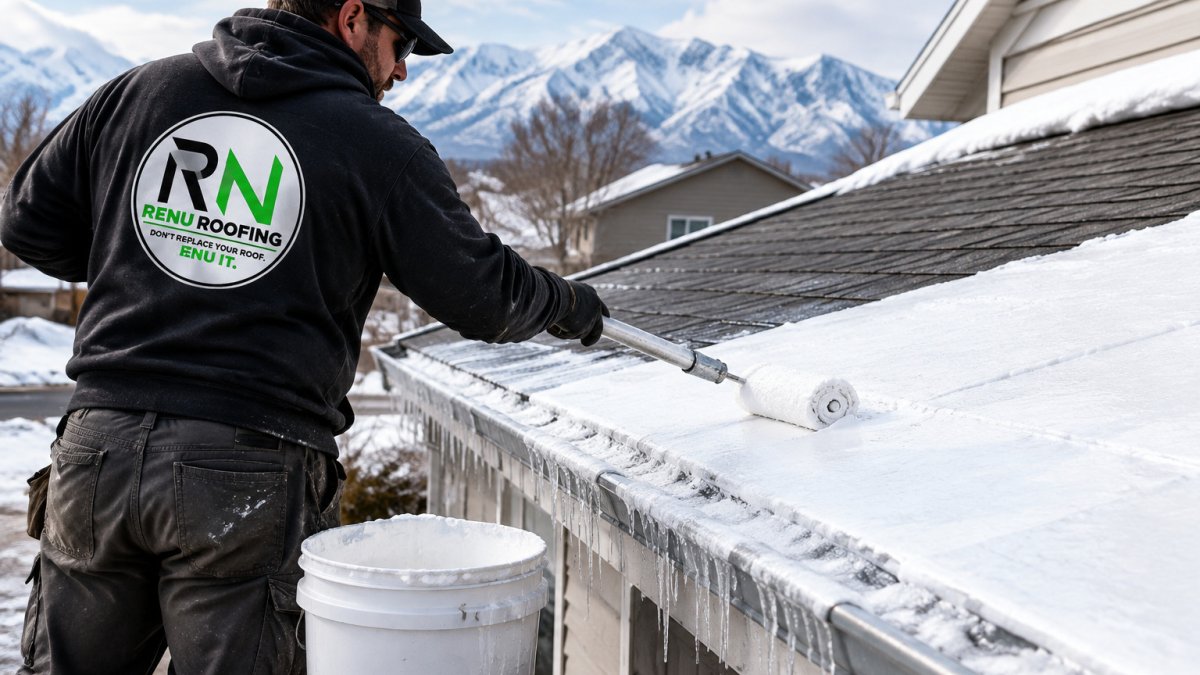
- Watch for ice dams at the eaves and check the attic after heavy snow.
- After storms, look for missing shingles, dented metal, and displaced tiles from the ground.
- Keep snow from piling against dormers and valleys where it can back up under the roof.
Material-specific notes. Asphalt shingles reward granule checks and gentle cleaning. Tile and slate are fragile underfoot and often need a professional for anything beyond ground inspection. Flat membranes need seam and drain checks after every major storm.
Inspection cadence. A homeowner ground-and-attic check each season and a professional inspection after any hail or high-wind event are a sensible routine.
Safety boundaries. From the ground, use binoculars to check ridges, valleys, and penetrations. From the attic, use a flashlight and look for daylight, stains, and damp insulation. Do not climb onto the roof in wet, icy, or windy conditions, near power lines, or on steep pitches. Leave ladder work above one story, tile and slate walking, and any electrical or chimney work to a professional.
Watch out: A seasonal checklist is not a substitute for a professional inspection after a major storm or when you see interior stains, sagging, or widespread granule loss.
Step 2: Perform a Roof Inspection From the Ground and Attic
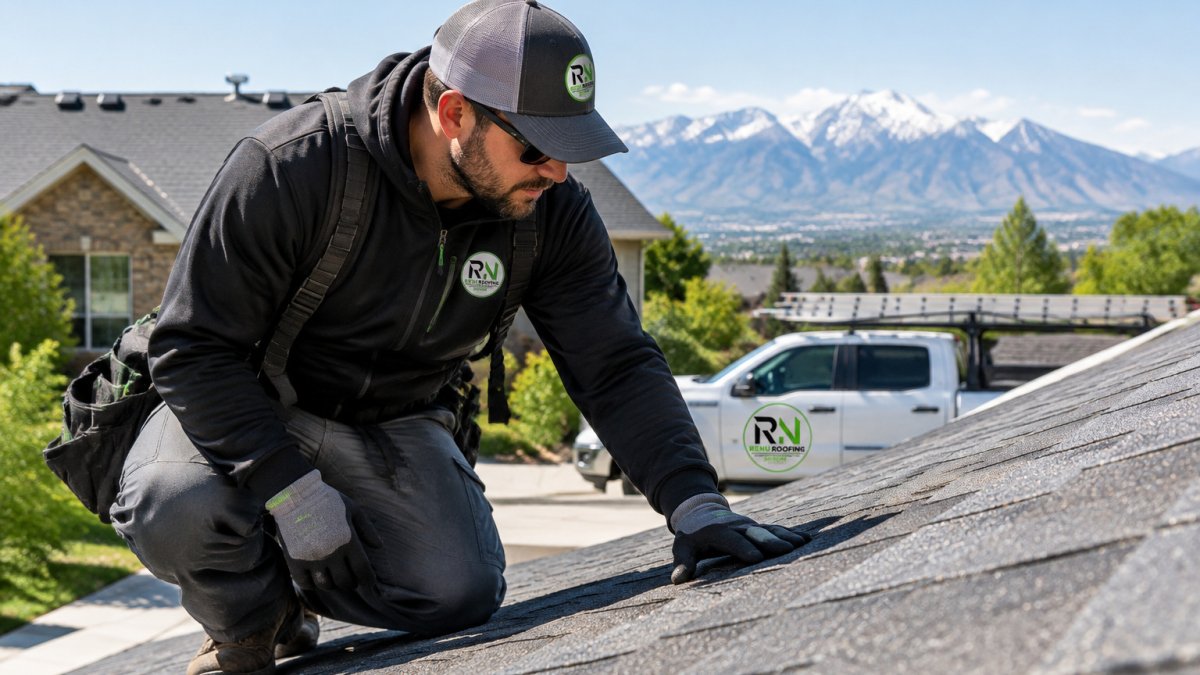
You can catch many problems without climbing onto the roof. Start from the ground with binoculars and look for missing or cracked shingles, sagging lines, and granules collecting in the gutters. Granule loss is a common early sign of an aging asphalt roof. Learn how to spot early granule loss and when it calls for a professional.
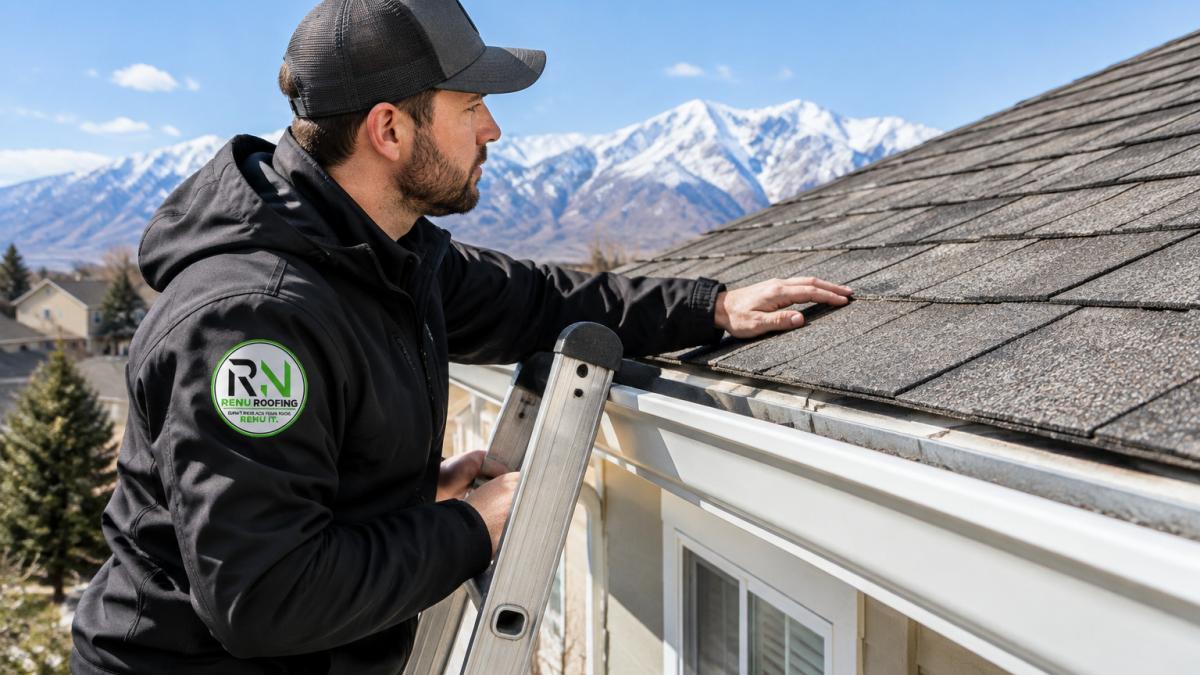
Then check the attic on a dry day. Look for daylight through the roof boards, water stains on the rafters, and damp insulation. Stains often show up before any leak reaches the ceiling. If you find signs of moisture, you have a problem to fix now, not later.
Ground and attic checks do not replace a professional inspection. They tell you when one is needed.
Step 3: Clear Debris, Gutters and Overhanging Branches
Leaves, pine needles, and dirt trap moisture against your shingles. That moisture speeds up rot, moss, and algae growth. Clear the roof surface with a soft broom or a leaf blower, and keep debris away from valleys and flashing.
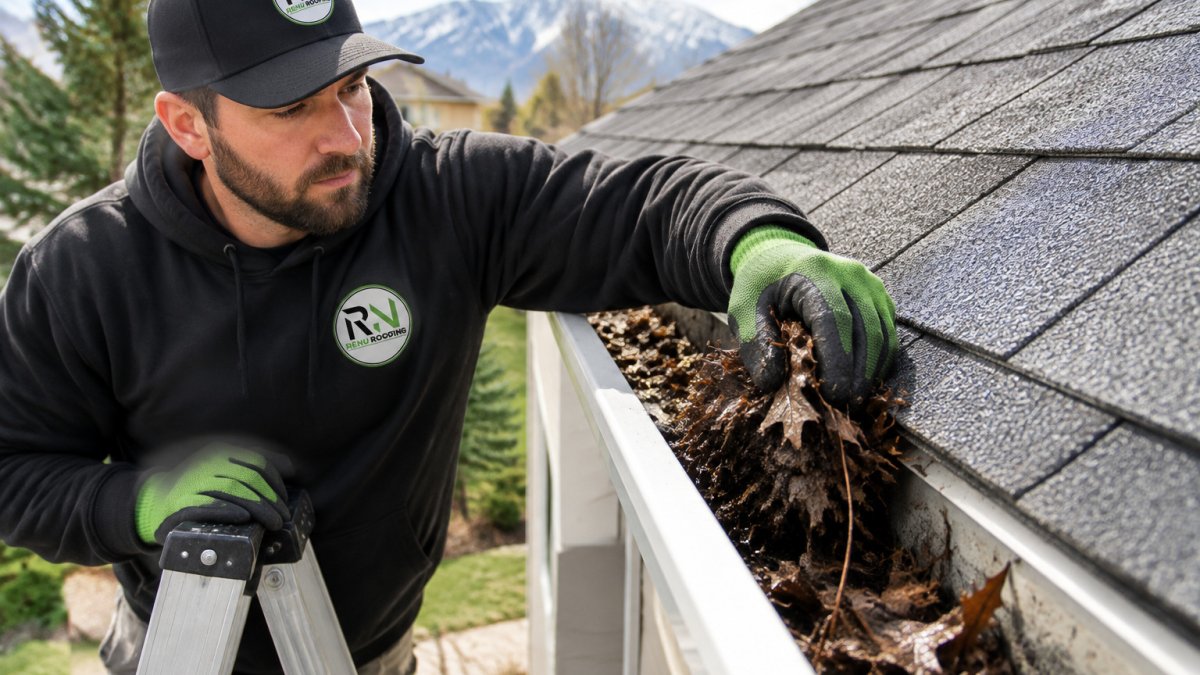
Clogged gutters cause water to back up under the shingles at the eaves. Clean them at least twice a year, and make sure downspouts carry water well away from the foundation.
Trim overhanging branches so they do not scrape the roof or drop debris onto it. Branches also give squirrels and insects easy access.
Avoid pressure washing your roof. High-pressure water can strip granules and lift shingles. A gentle rinse or a professional cleaning is safer.
Watch out: Working on a roof or ladder is risky. If the job requires climbing, bring a helper and use a stable, properly set ladder. If you feel unsteady, call a professional.
Step 4: Repair Minor Damage Before It Spreads
A cracked shingle or a loose piece of flashing can look minor. Left alone, it lets water reach the decking and insulation, and the repair cost grows quickly.
Replace damaged shingles as soon as you spot them. Step-by-step guidance on repairing brittle or cracked shingles is available on that page. Reseal loose flashing and check the caulk around vents and chimneys. Small, timely fixes cost far less than the water damage they prevent.
If you see sagging decking, widespread curling, or leaks inside the home, stop DIY work and call a licensed roofer. Those signs point to a larger problem that needs a trained eye.
Step 5: Check Attic Ventilation and Insulation
Attic conditions affect the roof from below. In summer, a poorly ventilated attic can overheat, which bakes shingles and shortens their life. In winter, warm air leaking into the attic can melt snow unevenly and form ice dams at the eaves.
Look for soffit vents and ridge vents that are open and unblocked. Make sure insulation does not cover soffit vents, since that blocks airflow. Watch for damp insulation, mold smell, or frost on nails in cold months, all of which signal moisture buildup.
Proper ventilation and insulation take pressure off the roofing material. Many homeowners overlook this step, yet it can add years to a roof.
Step 6: Consider Roof Rejuvenation for Aging Asphalt Shingles
If your asphalt shingles are aging but still have structural life, you may not need a full replacement. Roof rejuvenation restores flexibility to aging shingles and can slow granule loss, helping the roof hold up against weather for more years. The key is knowing when rejuvenation makes sense and when it does not.
When rejuvenation is a fit. Rejuvenation is designed for residential asphalt roofs in suitable condition. A roof needs to be sound before rejuvenation makes sense: shingles should still be attached, the decking should be solid, and there should be no active leaks or widespread damage. Rejuvenation is a maintenance treatment, not a repair.
When to repair instead. Isolated cracked shingles, loose flashing, or damaged vents should be repaired first. Rejuvenation applied over unresolved damage just hides the problem.
When to replace instead. Sagging decking, widespread curling or clawing, recurring leaks in multiple areas, or a roof near the end of its expected service life point toward replacement. A common pattern is that once repairs become frequent and spread across the roof, the money is better spent on a new roof than on repeated treatments.
Repair-versus-replacement criteria to weigh.
- Age relative to the shingle's expected service life.
- Extent of damage: isolated spots versus widespread wear.
- Number and frequency of leaks.
- Condition of the decking and flashing.
- How many years of service you expect to gain from each option.
Warranty mechanics. Rejuvenation for residential asphalt roofs comes with a 6-year transferable warranty. That transferability matters if you may sell the home, because the coverage can pass to the next owner. Ask any provider for a clear explanation of what work is included, how the warranty works, and what conditions apply before you commit.
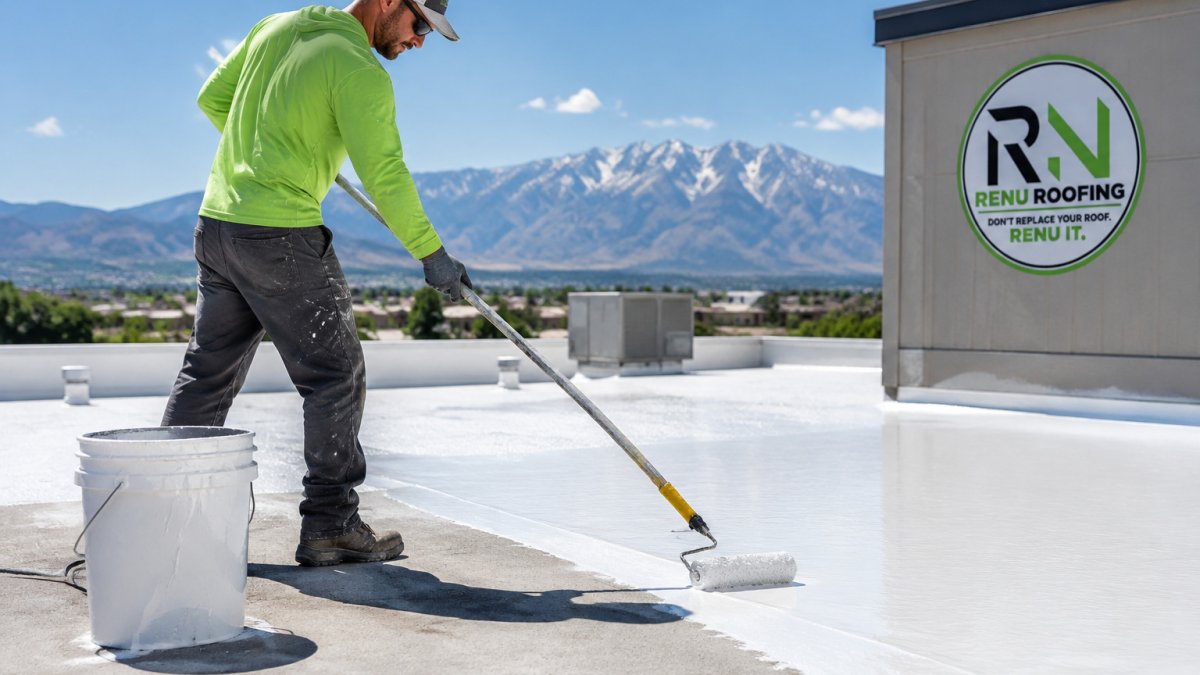
Flat roofs are different. For commercial flat roofs, the approach is a roof coating rather than rejuvenation. Coatings are used on flat roofs, which are mainly commercial buildings, and can carry a warranty of up to 20 years. Keeping residential rejuvenation and commercial flat-roof coatings separate is what makes the warranties clear and correct. Do not expect a flat-roof coating warranty to apply to a residential asphalt shingle roof, or vice versa.
Evidence and limits. Rejuvenation results depend on the roof's starting condition, climate, and application. Treat any lifespan claim as an estimate, not a guarantee, and compare the cost of rejuvenation against replacement while factoring in how many years of service you realistically expect to gain.
Watch out: Fix active leaks and structural issues before considering rejuvenation, since treatment is a maintenance step rather than a repair.
The table below sums up how rejuvenation and flat-roof coatings differ in scope and warranty, so you can see which applies to your roof.
| Option | Best for | Key difference |
|---|---|---|
| Roof rejuvenation | Residential asphalt shingle roofs in sound condition | Restores flexibility; 6-year transferable warranty |
| Roof coating | Flat roofs, mainly commercial buildings | Up to 20-year warranty |
| Repair | Isolated cracked shingles, loose flashing, damaged vents | Fix before any rejuvenation |
| Replacement | Sagging decking, widespread curling, recurring leaks | Consider when repairs spread across the roof |
Booking Your Roof Assessment and Next Steps
If you are unsure whether your roof needs repair, rejuvenation, or replacement, a professional assessment gives you a clear answer. You can contact ReNu Roofing to schedule a roof assessment for your home or building.
For homeowners with aging asphalt shingles, it can help to get a roof rejuvenation quote online and see whether your roof qualifies. You can also read more about roof rejuvenation in Utah to compare costs, lifespan, and results before you decide.
Start with the checklist above this month. A few simple habits, a quick inspection, and a timely repair can add real years to your roof.
Frequently Asked Questions
How long does a 20 year roof really last?
A roof rated for 20 years usually reaches that age only with consistent upkeep. Clearing debris, keeping gutters flowing, repairing small damage early and maintaining attic ventilation all help it reach its rated life. Heat, hail and wind exposure in Utah can shorten that span, so an inspection after major storms is worth scheduling. If you notice curling shingles, granule loss or leaks, ask a qualified roofer to assess the condition rather than assuming the rating still applies.
How often should I have my roof inspected?
Most homeowners benefit from a roof inspection once a year and after severe weather such as hail or high winds. A spring check is a good time to catch damage from winter, and a fall check can confirm gutters and flashing are ready for the season. Between professional visits, walk the yard with binoculars every few months and note any shingles on the ground, dark stains on ceilings or sagging areas.
Can roof rejuvenation extend the life of asphalt shingles?
Roof rejuvenation is a treatment designed to restore flexibility and reduce granule loss in aging asphalt shingles, which can delay the need for full replacement. ReNu Roofing offers rejuvenation for residential asphalt roofs with a 6-year transferable warranty. Results depend on the condition of the shingles, so an assessment is the first step. For current pricing, visit the ReNu Roofing website or request a quote.
How can I tell whether my roof needs repair or replacement?
Repair is usually the better choice when damage is limited to a few areas, the decking is sound and the shingles are still flexible. Replacement becomes more likely when leaks appear in several places, the shingles are brittle or cracking, or moisture has reached the decking and insulation. A qualified roofer can compare these conditions against your roof's age and tell you which option makes financial sense.