 Ultimate guide
Is Roof Rejuvenation Worth It for Your Utah Roof?
Quick Summary
Roof rejuvenation restores the flexibility of aging asphalt shingles, so they stop cracking, curling and shedding granules. On a structurally sound roof, it can help extend service life and delay a full roof replacement.
- Asphalt shingles lose their oils over years of sun and temperature swings, becoming brittle.
- Restored flexibility can help shingles stay sealed, which may reduce water intrusion.
- Rejuvenation works best on aging but structurally sound roofs, not roofs with widespread damage.
- It delays replacement rather than permanently fixing the roof, and benefits taper over time.
- ReNu Roofing offers a 6-year transferable warranty on residential roof rejuvenation.
Table of Contents
- What is the benefit of roof rejuvenation?
- How roof rejuvenation works on asphalt shingles
- Does roof rejuvenation work?
- How long does roof rejuvenation last?
- Roof rejuvenation pros and cons
- Roof rejuvenation vs. roof replacement: which makes sense for your property
- Booking a roof rejuvenation assessment with ReNu Roofing
- Frequently Asked Questions
What is the benefit of roof rejuvenation?
Roof rejuvenation is a treatment that restores the flexibility of an aging asphalt shingle roof, so the shingles stop cracking, curling and shedding granules. Done on the right roof at the right time, it can help extend service life and delay a full replacement. Our roof rejuvenation guide covers lifespan, results and costs for Utah homes.
Asphalt shingles lose their oils over years of sun and temperature swings. Once they dry out, they become brittle, and small cracks let water reach the underlayment. Rejuvenation is intended to replenish those oils, which can help the shingles bend without breaking and hold granules in place longer.
For most homeowners the practical benefits come down to three things:
- Delayed replacement. Replacing a residential roof is a large expense, and rejuvenation can push that decision back.
- Fewer leaks. Restored flexibility can help shingles stay sealed, which may reduce water intrusion.
- Better protection. Keeping granules in place helps the roof withstand UV exposure and weather.
We treat rejuvenation as a maintenance decision, not a cure-all. It works best on a roof that is aging but structurally sound. A roof with widespread missing shingles, sagging decking or repeated leaks in several areas usually needs repair or replacement first.
How roof rejuvenation works on asphalt shingles
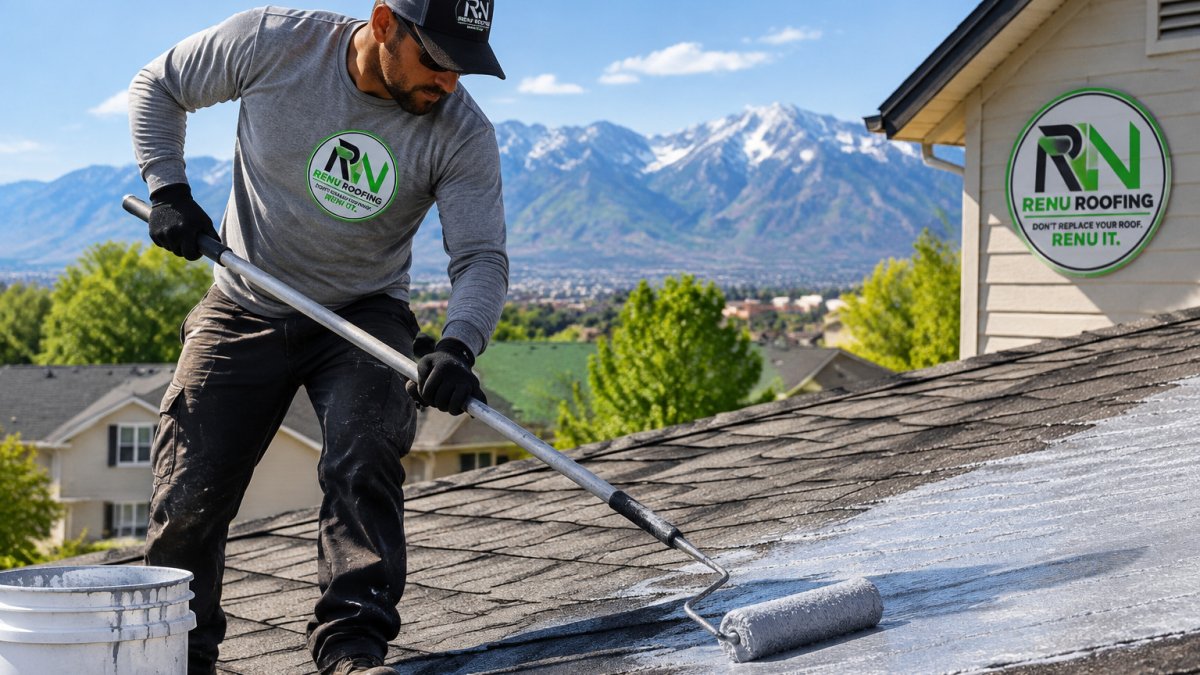
A rejuvenating solution is applied to the shingle surface, where it is intended to penetrate the shingle and restore oils that have dried out. The process is a surface application, so preparation and coverage matter as much as the product itself.
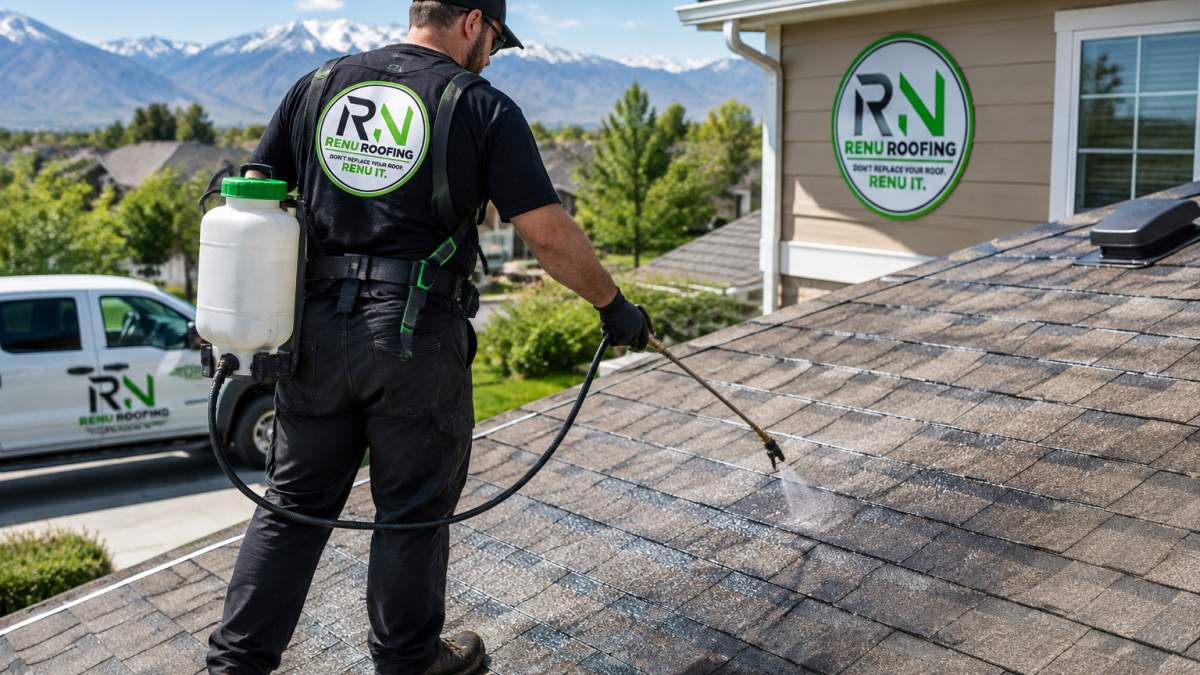
Common mistakes homeowners and some contractors make include:
- Treating a roof that is already too cracked or granule-depleted to respond
- Skipping preparation, which can keep the solution from bonding well
- Assuming one application lasts indefinitely, when the benefit tapers over time
Does roof rejuvenation work?
Roof rejuvenation works on the right roof, but the honest answer depends on what you mean by 'works.' It is not a guarantee against every problem, and the gap between marketing claims and field results is where most homeowner confusion starts. The useful approach is to separate what manufacturers claim, what independent observation supports, and what your specific roof can realistically expect.
What the product claims. Rejuvenation manufacturers describe the treatment as replenishing the oils that asphalt shingles lose to sun and temperature cycling, restoring flexibility and slowing granule loss. What the claims cannot tell you is how much life a given roof will gain, because that depends on the shingle's remaining condition, not the product alone.
What independent observation supports. Results vary widely by roof age and condition. Treat any single 'adds X years' figure, from a manufacturer or a contractor, as a claim to be tested against your roof's inspection, not a promise.
Why outcomes vary. Three variables drive most of the difference:
- Shingle condition at treatment. Intact but dry shingles have material left to restore; badly cracked or granule-depleted shingles do not.
- Application quality. Even coverage and proper preparation determine whether the product penetrates or sits on the surface.
- Climate exposure. Strong sun and large seasonal temperature swings are demanding on asphalt, so the benefit tapers faster in harsh exposures than in mild ones.
How to judge the evidence for your roof. Ask for a written inspection that states shingle condition, granule loss, and any existing damage, then ask the provider to explain what the treatment can and cannot address on that specific roof. Ask for the warranty terms in writing. A provider who promises a specific number of added years without inspecting is selling, not assessing.
Watch out: a treatment sold as a cure for active leaks or structural damage is being misrepresented, rejuvenation slows deterioration on sound shingles, it does not repair failed ones.
How long does roof rejuvenation last?
The length of benefit depends on the condition of the shingles when treated, the quality of the application and the local climate. Utah's strong sun and large seasonal temperature swings are demanding on asphalt roofs, so a conservative expectation is more useful than a sales figure.
ReNu Roofing offers a 6-year transferable warranty on residential roof rejuvenation. Transferable means the coverage can carry over if you sell the home during the warranty period, which can help with resale. Warranty terms vary, so review the written coverage before you commit.
To protect the investment, plan regular inspections and address small problems early. A loose flashing or a cracked vent boot is far cheaper to fix than the water damage it can cause.
Roof rejuvenation pros and cons
Rejuvenation has real advantages and real limits. Weighing both helps you decide whether it fits your roof. For context on flat-roof options, see Utah professional roof coating benefits and when a coating makes sense.
Pros:
- Generally costs less than full replacement, which makes it a practical way to extend roof life.
- Less disruptive than tear-off, with no need to remove the existing shingles.
- Restores flexibility and helps reduce granule loss on suitable roofs.
- Can be paired with maintenance such as gutter cleaning and guard installation.
Cons:
- Only suitable for roofs that are still structurally sound and not heavily deteriorated.
- Benefits taper over time, so it is a delay, not a permanent fix.
- Does not repair physical damage like missing shingles, rot or failed decking.
- Results depend heavily on proper preparation and application.
For a roof that qualifies, the trade-off usually favors rejuvenation. For a roof that does not, a repair or replacement is the honest recommendation.
Roof rejuvenation vs. roof replacement: which makes sense for your property
The choice comes down to the roof's condition, your budget and how long you plan to stay in the home. Rejuvenation is a maintenance option that buys time, while replacement is a full renewal that resets the roof's lifespan. The useful comparison is not 'which is cheaper today' but 'which costs less over the years you will actually own the roof.'
| Factor | Roof rejuvenation | Full roof replacement |
|---|---|---|
| Best for | Aging but intact shingles with dryness and minor granule loss | Failed, heavily damaged or very old roofs |
| Disruption | Minimal, surface application, no tear-off | Significant tear-off and install |
| Upfront cost | Lower | Higher |
| Lifespan added | A delay, with benefits that taper over time | A new roof lifespan |
| Repeat applications | May be needed as the benefit fades | Not applicable |
| Structural problems | Not addressed | Addressed |
| Warranty | 6-year transferable warranty on residential rejuvenation | New-roof manufacturer and workmanship coverage |
The eligibility question comes first. Before comparing cost, confirm the roof qualifies. Rejuvenation is a fit when shingles are aging but structurally sound: dry, slightly brittle, some granule loss, no widespread cracking, no active leaks, no sagging decking. It is not a fit when shingles are badly cracked or curling, granules are heavily depleted, shingles are missing in sections, or leaks appear in multiple areas. Those conditions point to repair or replacement, and a provider who tells you so early is giving you the honest answer.
The long-term cost logic. Rejuvenation's advantage is that it can defer the large replacement expense. Its limitation is that the benefit tapers, so over a long horizon you may pay for treatment more than once and still face replacement. Replacement costs more today but resets the clock. The break-even question is how many years of deferral you get per treatment versus how soon replacement would have been needed anyway. A roof that would have lasted another eight years without treatment gains little from a treatment that buys three; a roof facing replacement in two years gains a lot. Because pricing depends on roof size and condition, the only accurate way to run this comparison is a written quote for both options on your roof.
How to decide. If your shingles are still flexible with some granule loss and no widespread damage, and you plan to stay in the home for several years, rejuvenation can be a sensible first step. If the roof has structural problems, repeated leaks, or is near the end of its service life, replacement is usually the more reliable long-term choice. If you are selling soon, the 6-year transferable warranty on residential rejuvenation can carry over to the buyer.
Watch out: comparing a rejuvenation quote to a replacement quote without confirming eligibility can lead you to treat a roof that will need replacement anyway, get the inspection first, then compare.
Booking a roof rejuvenation assessment with ReNu Roofing
The most useful next step is an inspection, because whether rejuvenation is worth it depends on your specific roof. ReNu Roofing can assess the shingles and explain whether rejuvenation is a good fit before you commit.
You can request a roof rejuvenation quote online to find out whether your asphalt shingle roof qualifies. Pricing depends on the size and condition of your roof, so the quote is the most accurate way to see your options. For a closer look at what affects cost and how it compares to replacement, see how much roof rejuvenation costs.
Frequently Asked Questions
What are the benefits of roof rejuvenation?
Roof rejuvenation helps aging asphalt shingles regain flexibility, which reduces cracking and granule loss. It can also help reduce weathering damage that lets water in. ReNu Roofing offers rejuvenation services for residential asphalt roofs with a 6-year transferable warranty. Pricing depends on roof size, condition and scope, so contact ReNu Roofing through its website for a current quote.
Which roofs are good candidates for rejuvenation?
Asphalt shingle roofs that are still structurally sound but showing signs of aging, such as brittle shingles, granule loss or minor surface weathering, are typically the best candidates. Roofs with extensive structural damage, widespread leaks or deck rot usually need repair or replacement first. A professional inspection is the most reliable way to determine whether a roof qualifies. ReNu Roofing can assess your roof and explain your options.
When should a roof be replaced instead of rejuvenated?
A roof usually needs replacement when it has widespread shingle failure, significant decking damage, repeated leaks in several areas or the structure has deteriorated. Rejuvenation cannot repair structural problems. If an inspection shows the roof is near the end of its service life, replacement may be the more practical choice. An honest assessment will help you decide which path fits your home.