 Ultimate guide
5 Ways a Restored Roof Affects Your Utah Home Value
Quick Summary
Roof restoration can help a Utah home's value and marketability by removing a buyer's objection, but it does not add a fixed dollar amount. The effect depends on the roof's condition, the age of the shingles, and whether the work is documented with a written assessment and transferable warranty.
- Get a written assessment of the roof's condition before listing the home.
- Restoration works best when the roof has remaining service life and the deck is sound.
- Replacement is the better choice when the roof is at end of life or the deck has rotted.
- Keep the assessment, warranty paperwork, service records, and photos to show appraisers and buyers.
- Residential asphalt roofs get rejuvenation with a 6-year transferable warranty.
Table of Contents
- Does Roof Restoration Increase Home Value?
- Roof Restoration Versus Roof Replacement: Making the Decision
- Does a New Roof Increase Appraisal Value?
- Selling a House With an Old Roof: What Buyers and Inspectors See
- How Long Roof Rejuvenation Lasts and What Affects It
- Pros and Cons of Common Roof Maintenance Strategies
- Scheduling a Roof Assessment Before You Sell or Invest
- Frequently Asked Questions
Does Roof Restoration Increase Home Value?
Last Updated: November 20, 2026
At ReNu Roofing, we get asked this question often by Utah homeowners who are weighing their options before a sale or a larger repair bill. Roof restoration can help a home's value and marketability, but the effect depends on the condition of the roof, the age of the shingles, and whether a buyer or appraiser can see clear documentation that the work was done. A restored roof is not a new roof, and it should not be presented as one.
The most useful way to think about it is this: a sound roof removes an objection. Buyers and inspectors look hard at the roof, and an aging roof with visible wear gives them a reason to negotiate. A roof that has been restored, inspected, and backed by a written warranty gives them fewer reasons to push on price. That benefit is real, though it is difficult to put a precise dollar figure on it without a local appraisal.
We recommend getting a written assessment of your roof's current condition before listing. That document, along with any warranty paperwork, is what gives a buyer's agent something concrete to point to.
Roof Restoration Versus Roof Replacement: Making the Decision
Restoration and replacement solve different problems, and the right call depends on the roof's age, its substrate, and how much service life is actually left. A blanket recommendation helps no one, so use the criteria below as a practical framework rather than a rule.
Start With the Roof's Age and Remaining Service Life
Asphalt shingle roofs are rated for a stated service life by the manufacturer, and the rating varies by product. If the roof is in the back half of that window but the shingles are still pliable and the deck is sound, restoration is worth evaluating. If the roof is at or past its rated life, replacement is usually the more honest recommendation. Roofs with meaningful remaining life are generally the better candidates for rejuvenation, while roofs at end of life are not.
Check the Substrate Before Anything Else
Restoration treats the shingles; it does not fix the structure underneath. Walk the roof and look for soft spots, sagging, visible decking deterioration, and multiple active leaks. If the deck is compromised, restoration spends money on a problem that will return quickly. Replacement is the better path when the decking is rotted, the roof has multiple failed areas, or the shingles are too brittle to treat.
Match the Method to the Roof Type
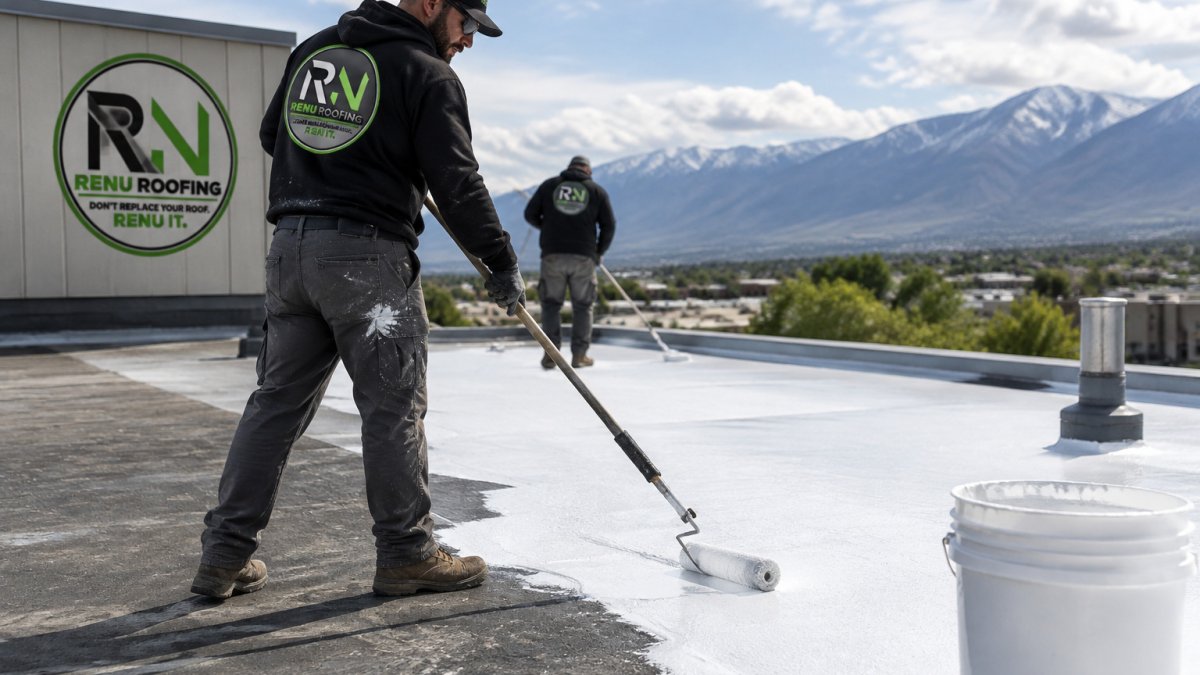
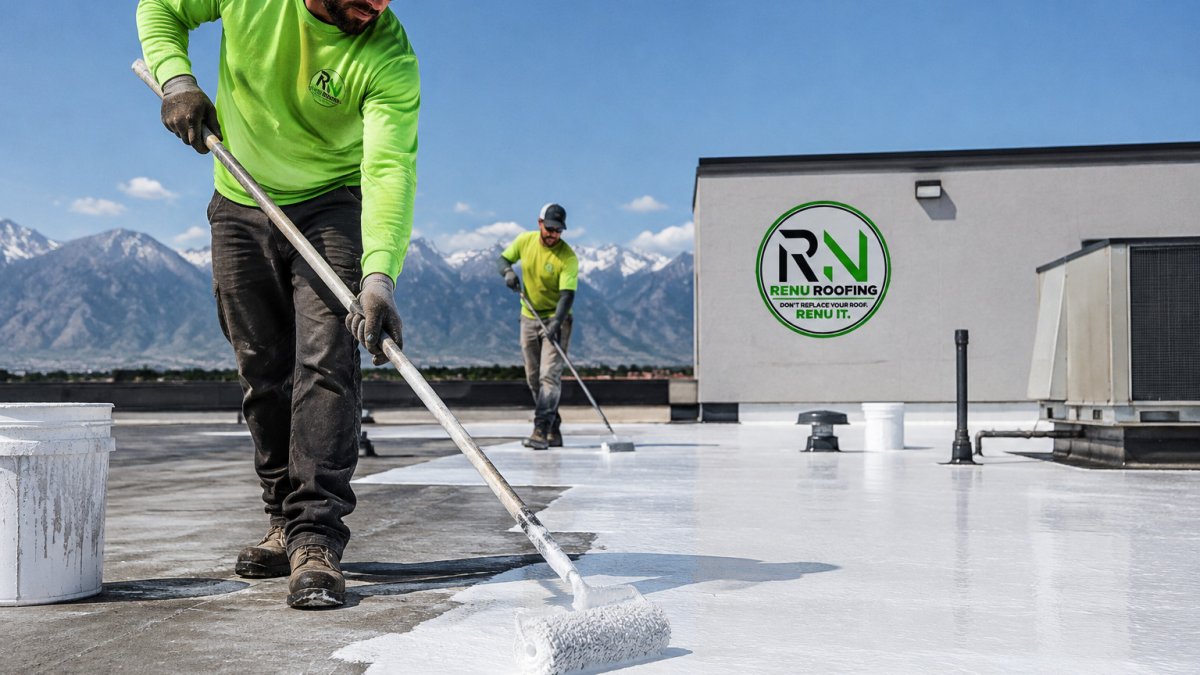
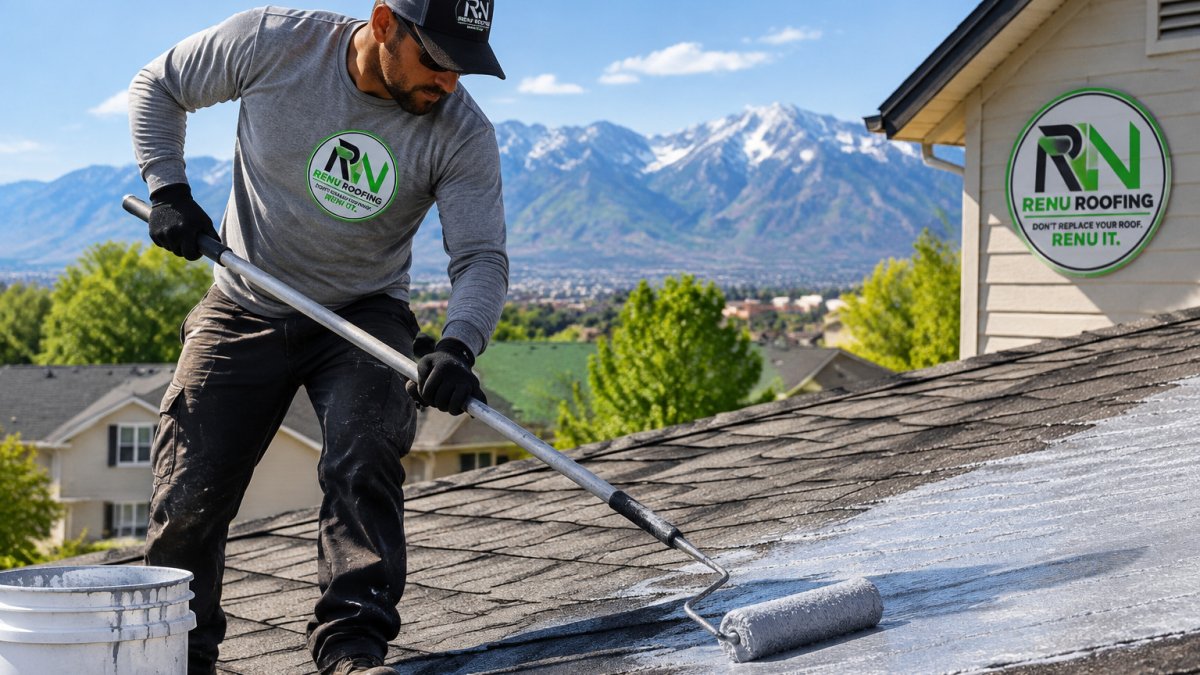
Restoration is not one product. For residential asphalt shingle roofs, rejuvenation is the appropriate treatment: it restores flexibility to aging shingles and helps reduce granule loss and UV damage. We do not apply coatings to residential asphalt roofs, so the warranty types stay clearly separated. Coatings are used on flat roofs, mainly commercial buildings, where a seamless barrier is the goal. Tile and metal roofs each have their own maintenance paths and should be assessed on their own terms rather than lumped in with asphalt.
Weigh Cost Against Outcome, Not Just Cost
Rejuvenation is a cost-effective alternative to full replacement when the roof has service life left. Compare what restoration costs against a full replacement before you decide. Replacement delivers a new roof and a new warranty. The question is not which is cheaper today but which solves the actual problem. Restoring a roof that is already failing is the most expensive outcome of all because the money is spent twice.
Use a Written Assessment to Decide
Ask for a written assessment that states the roof's current condition, the estimated remaining service life, and whether the roof qualifies for restoration. That document is also what you will hand to a buyer's agent or an appraiser later. Watch out: a verbal "you're probably fine" is not a decision framework, and it will not hold up when a buyer's inspector disagrees.
When Replacement Is the Better Choice
Replacement is usually the better path when the roof has reached the end of its useful life, when there is widespread damage, or when the underlying deck has rotted. It is also the right call when the shingles are too brittle to restore or when previous repairs have failed in multiple areas. A candid assessment will tell you which situation you are in, and it is better to hear it before you list than after a buyer's inspector finds it.
Does a New Roof Increase Appraisal Value?
A new roof can support an appraisal, but appraisers generally value the home as a whole, including condition, age, location, and comparable sales. A roof that is in good condition is part of that picture. The more useful question for a seller is not whether a restored roof adds a specific dollar figure, but whether the appraiser and the buyer can verify what was done. That is where documentation does the work.
What Appraisers Actually Look At
Appraisers compare the home to recent sales of similar homes and adjust for condition and features. A roof in good condition supports the condition rating; a roof with visible wear invites a downward adjustment or a repair condition. Whether a restored roof is treated the same as a replaced roof depends on the appraiser and the documentation provided. Clear records can help move the conversation from "old roof" to "maintained roof."
The Documentation That Gets Restoration Recognized
Bring the paperwork to the appraisal so the work is recognized for what it is:
- The written roof assessment stating the roof's condition before and after treatment and the estimated remaining service life
- The warranty document, including the transferable terms, so the appraiser and buyer can see what coverage passes to the next owner
- Service records showing inspections, repairs, and the date the restoration was completed
- Photos of the roof before and after
Why Transferability Matters to an Appraiser and a Buyer
A warranty that transfers to the next owner changes the risk profile of the roof. Learn how roof coating warranty transfers work and which conditions void coverage. For residential asphalt shingle roofs, rejuvenation carries a 6-year transferable warranty, and that coverage can pass to the buyer. An appraiser who sees a transferable warranty and a written assessment has a concrete reason to treat the roof as maintained rather than deferred. A buyer's agent has the same reason to stop pushing for a credit.
What Documentation Cannot Do
Paperwork does not turn a restored roof into a new roof, and it should not be presented as one. If the roof is at end of life or the deck is compromised, no warranty document will change the appraiser's read on condition. Watch out: overstating a restoration as a replacement is the fastest way to lose credibility with an appraiser and a buyer at the same time.
A Practical Sequence Before Listing
Get a written assessment first, complete the restoration if the roof qualifies, then assemble the warranty documents, service records, and photos into one file. Hand that file to your agent and make it available at the appraisal and the buyer's inspection. The goal is not to inflate the value but to make sure the work you paid for is visible to the people who set and negotiate the price.
Selling a House With an Old Roof: What Buyers and Inspectors See
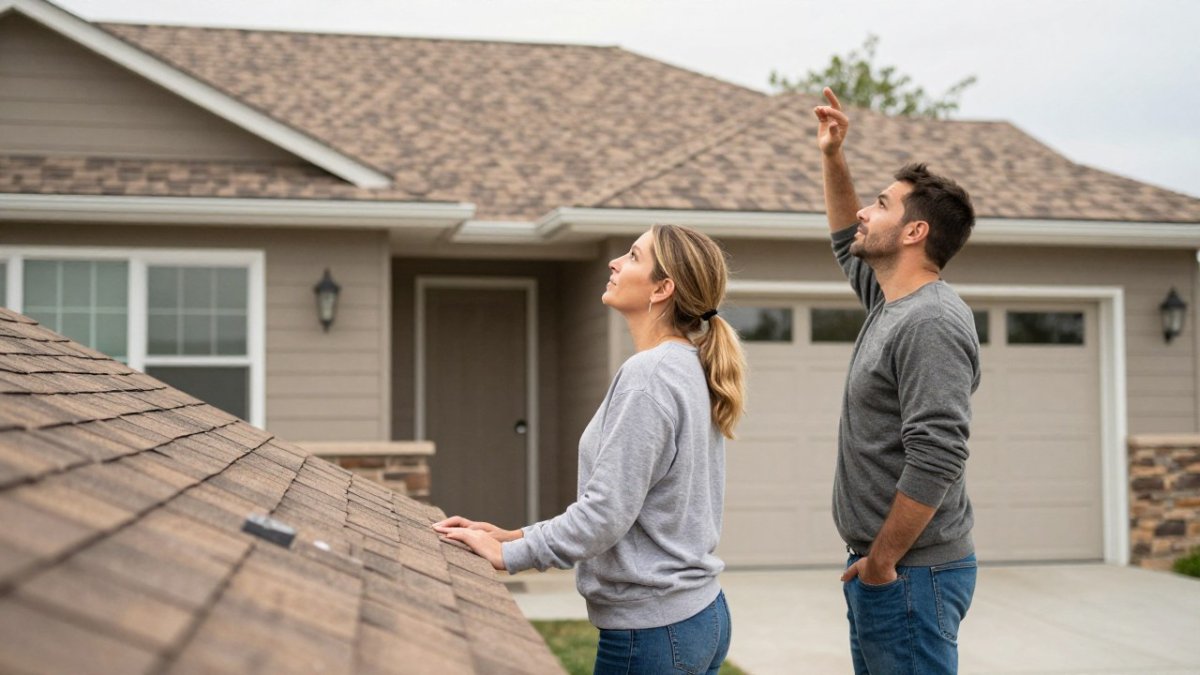
Home inspectors will examine the roof, note visible wear, and report on expected remaining life. An old roof with no documentation invites a request for a credit or a replacement before closing. A roof that has been treated, with a clear warranty that transfers to the buyer, changes that conversation. Keep records of every service, and be ready to explain the warranty terms plainly.
How Long Roof Rejuvenation Lasts and What Affects It
Rejuvenation is designed to extend roof life, and ReNu Roofing states that it can extend roof life by 5 to 15 years. See how long the results last and what restoration involves for a full breakdown of lifespan and outcomes. The result depends on the shingles, the climate, the attention the roof gets afterward, and whether underlying problems were fixed first. Regular inspections and prompt repair of small leaks make a real difference to how long the results hold.
Pros and Cons of Common Roof Maintenance Strategies
Routine maintenance and cleaning
- Pros: low cost, catches small problems early, helps gutters and drainage work properly
- Cons: does not restore shingles that have already lost flexibility
Rejuvenation for asphalt shingles
- Pros: restores flexibility, reduces granule loss, transferable warranty
- Cons: only suitable when the roof has enough remaining life; does not fix structural damage
Full replacement
- Pros: new warranty and fresh roof life
- Cons: higher cost than restoration, unnecessary if the existing roof can be restored
Waterproof coatings for flat roofs
- Pros: seamless barrier suited to commercial flat roofs, warranty of up to 20 years
- Cons: applies to flat roofs only, not residential asphalt shingle roofs
| Option | Best for | Typical outcome |
|---|---|---|
| Maintenance | Roofs in good condition | Prevents small problems |
| Rejuvenation | Aging asphalt shingles with life left | Extends roof life, 6-year transferable warranty |
| Replacement | End-of-life or damaged roofs | New roof, new warranty |
Scheduling a Roof Assessment Before You Sell or Invest
The simplest next step is an inspection. A professional assessment can help determine whether your roof is a candidate for restoration or whether replacement makes more sense. If you are planning to sell or simply want to protect your investment, get a roof rejuvenation quote online and find out whether your asphalt shingle roof qualifies. Contact ReNu Roofing to discuss the options and warranty terms before you commit.
Frequently Asked Questions
Does roof restoration increase home value?
Roof restoration can help protect a home's value by addressing wear, leaks, and granule loss before they become visible problems to buyers or appraisers. It is generally not a direct value-adding upgrade the way a new roof might be, so the benefit depends on the roof's condition, the home's market, and how the work is documented. A clear record of the restoration, including the warranty terms, gives buyers and inspectors something concrete to review. Results vary by property, so it is worth discussing expected outcomes with a local real estate agent before deciding.
Does a new roof increase appraisal value?
A new roof can support appraisal value because appraisers consider the condition and remaining useful life of major systems. A roof that is in good condition typically does not reduce value, while an aging or damaged roof may lead to adjustments. The effect on the final appraisal depends on local comparable sales and the appraiser's judgment. Restored roofs with documented warranties can also be presented as part of the property's condition record.
Is roof restoration better than roof replacement before selling?
Restoration is often considered when a roof has useful life left but shows wear, such as granule loss or minor leaks, and the owner wants to avoid full replacement costs. Replacement may be the better choice when the roof has structural damage, extensive leaks, or very little remaining life. A roofing professional can inspect the roof and explain which option fits the property. Comparing both options against the expected sale timeline helps clarify the decision.
How long does roof rejuvenation last?
ReNu Roofing's rejuvenation services are backed by a 6-year transferable warranty, which can carry over to a new owner if the home is sold. Lifespan depends on the roof's age and condition before the work, local weather such as hail, wind, and UV exposure, and ongoing maintenance like gutter cleaning. For current pricing or to discuss what to expect for your roof, contact ReNu Roofing directly for a quote.