 ultimate-guide
How Much Does Roof Rejuvenation Cost?
Learn what roof rejuvenation costs in 2026, what affects the price, and how it compares with replacing an aging asphalt shingle roof.
Table of Contents
- What Is Roof Rejuvenation and Why Cost Matters
- Factors Affecting Roof Rejuvenation Cost
- Roof Rejuvenation vs Replacement Cost: Making the Comparison
- Signs Your Roof Needs Rejuvenation
- Benefits of Soy-Based Roof Treatments
- How Long Does Roof Rejuvenation Last
- Is Roof Rejuvenation Worth the Investment?
- Getting a Professional Roof Inspection and Rejuvenation Quote
- Frequently Asked Questions
Last Updated: September 2, 2026
What Is Roof Rejuvenation and Why Cost Matters
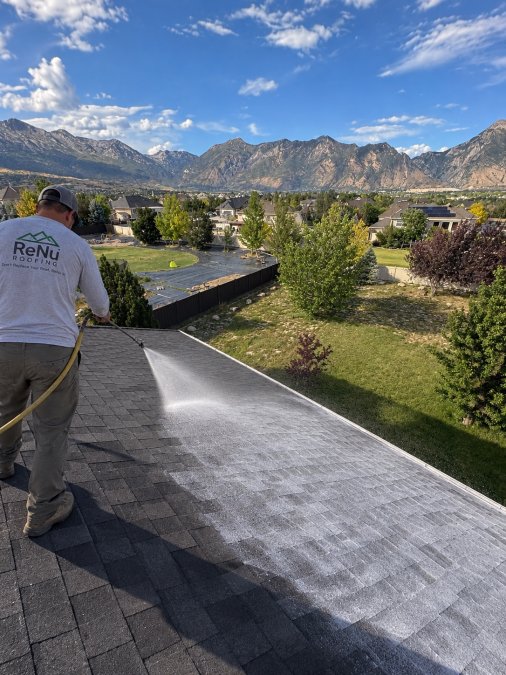
Roof rejuvenation is a professional treatment designed to help restore and extend the useful life of aging asphalt shingles without immediately replacing the entire roof. As asphalt shingles age, they can gradually lose the oils and flexibility that help them withstand Utah’s intense sun, temperature swings, wind, snow, and ice. As shingles become dry and brittle, they can be more susceptible to cracking, curling, granule loss, and other deterioration that can eventually contribute to roof leaks. Roof rejuvenation helps address the effects of aging by penetrating the shingles and replenishing lost oils, helping restore flexibility and protect the roof before deterioration leads to more serious problems.
For Utah homeowners facing aging roofs, understanding roof rejuvenation cost is critical because the decision between rejuvenation and full replacement can mean the difference between a manageable maintenance expense and a major replacement project. A roof that's still structurally sound but showing signs of age becomes a candidate for rejuvenation, which costs substantially less than tearing off and rebuilding the entire roof system.
At ReNu Roofing, we work with homeowners who've been told their only option is replacement, only to find that their roof's underlying structure is still viable. The real value isn't just in the immediate cost savings; it's in buying time. A rejuvenated roof can perform like new for years, giving you breathing room to plan a replacement on your own timeline rather than an emergency schedule (peer-reviewed research).
The challenge most homeowners face is determining whether rejuvenation makes financial sense for their specific situation. Roof age, current condition, local climate, and the extent of existing damage all factor into both the cost and the realistic lifespan you can expect afterward.
Factors Affecting Roof Rejuvenation Cost
Several variables determine what you'll pay for roof rejuvenation services. Understanding these factors helps explain why two similar-looking roofs might have different treatment costs.
Roof size and square footage
The physical size of your roof is the primary cost driver. Larger roofs require more material and labor, which scales the overall expense proportionally. Roofing contractors measure in "squares," each representing 100 square feet, and pricing typically scales by this unit. Steep-pitched roofs also cost more than low-slope roofs because they're more difficult and time-consuming to work on safely.
Current roof condition and damage extent
A roof showing only minor granule loss and slight brittleness costs less to treat than one with active leaks, widespread curling, or localized damage. If your roof has areas requiring repair, missing shingles, damaged flashing, or compromised valleys, those repairs add to the total cost. Water intrusion is a red flag, if your roof has been leaking into the attic or interior spaces, the underlying structure may have deteriorated beyond what surface treatment can address.
Treatment type and material selection
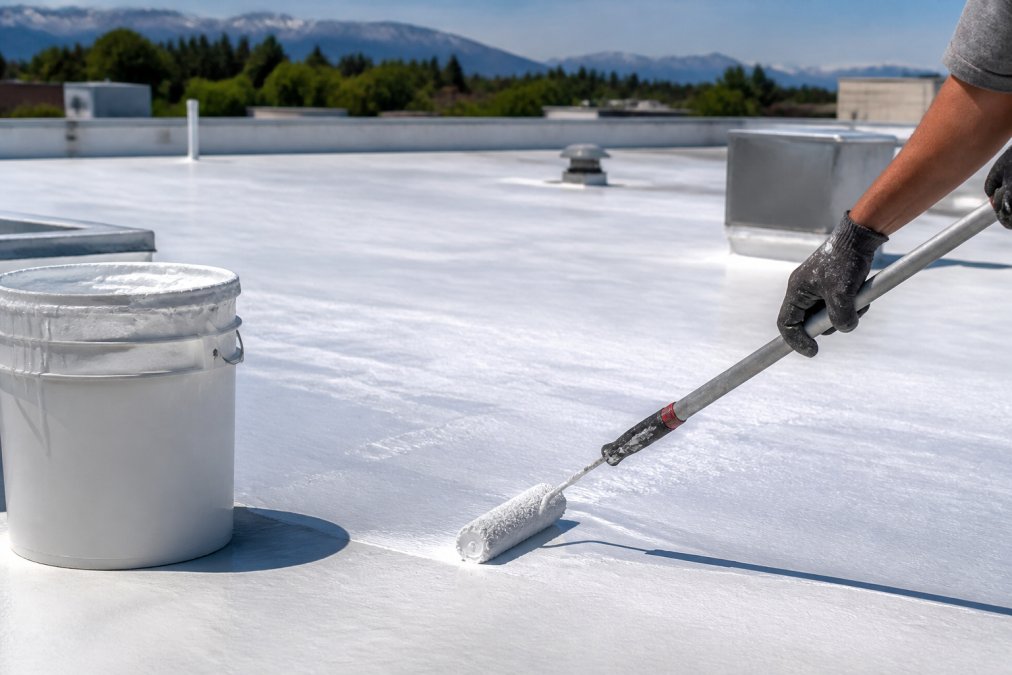
The right treatment depends on the type and condition of your roof. For qualifying asphalt shingle roofs, roof rejuvenation is designed to penetrate the shingles and help restore lost oils and flexibility, addressing common signs of aging such as brittleness, cracking, curling, and granule loss. For commercial flat and low-slope roofs, silicone roof coatings may be a suitable option depending on the existing roofing system and its condition. Because every roof is different, a professional evaluation is important to determine whether rejuvenation, a silicone coating, repairs, or replacement is the most appropriate solution for your roof.
Roof Rejuvenation vs Replacement Cost: Making the Comparison
The financial case for rejuvenation hinges on comparing its cost against what full replacement would require. Full roof replacement involves tearing off existing shingles, addressing any underlying damage, and installing a completely new roof system. This process is labor-intensive and generates substantial waste.
Roof rejuvenation, by contrast, works with your existing roof structure. The treatment is applied to the shingles in place, requiring no removal or disposal. Labor time is measured in a day or days rather than weeks. Material costs are lower because you're not purchasing an entirely new roofing system.
The trade-off is longevity. A new roof typically comes with a manufacturer's warranty of 15-25 years, depending on shingle quality (astm.org). A rejuvenated roof extends your existing roof's life by roughly 5-15 years, depending on the treatment and roof condition at the time of application. Think about your car: you don’t wait until the engine blows before changing the oil. Regular maintenance helps keep the engine running properly and can help prevent bigger, more expensive problems down the road. Roof rejuvenation works on a similar principle. As shingles age, they naturally lose some of the oils and flexibility that help protect them. Rejuvenating the roof while it is still a good candidate can help restore those properties and extend its useful life, rather than waiting until the roof deteriorates to the point where replacement is the only option.
Aspect | Roof Rejuvenation | Full Replacement |
|---|---|---|
Scope | Surface treatment applied in place | Complete removal and reinstallation |
Timeline | 1-2 days typically | 5-10 days typically |
Material Waste | Minimal to None | Significant (old roof disposal) Filling Landfills |
Expected Lifespan Extension | 5-15 years | 15-25 years |
Best For | Roofs structurally sound but showing age | Roofs with extensive damage or near end of life |
Reversibility | Can proceed to replacement later | One-way process |
A 15-year-old roof with minor granule loss and no leak history is an ideal rejuvenation candidate; you'll extend its life significantly at a fraction (typically 80% less) of replacement cost. A 20-year-old roof with active leaks and widespread damage is not; replacement is the appropriate choice.
Signs Your Roof Needs Rejuvenation
Identifying when your roof is a good candidate for rejuvenation requires understanding what normal aging looks like versus what signals structural problems.
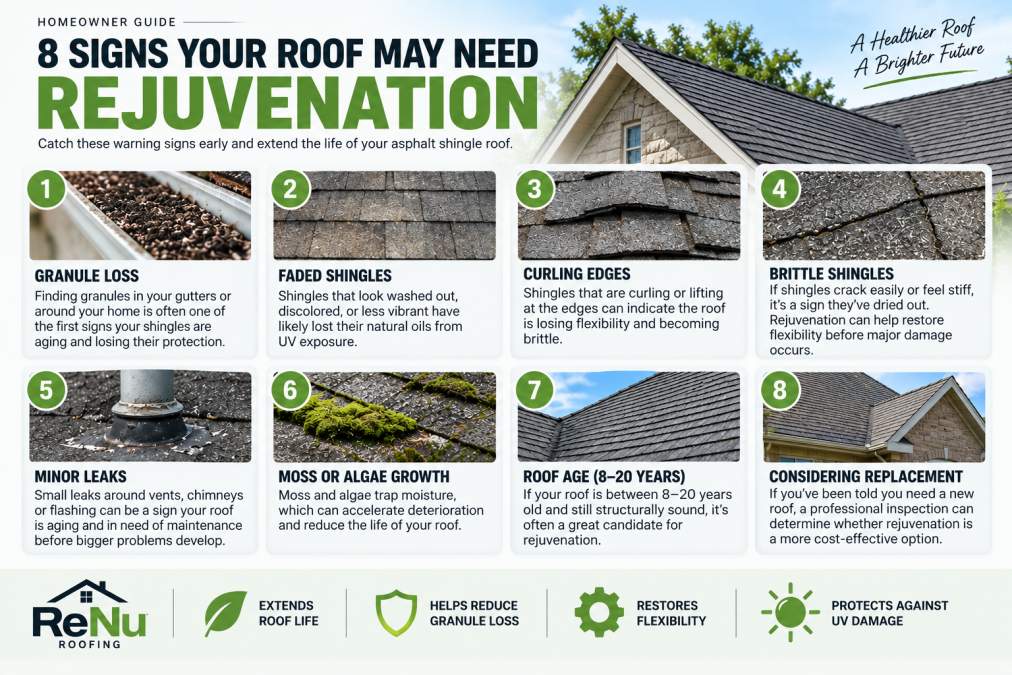
Close-up of aged asphalt shingles showing granule loss, curling edges, and brittleness on a residential roof in natural daylight
Granule loss is the most visible sign of roof aging. Asphalt shingles are coated with mineral granules that protect the underlying asphalt from UV damage and weathering. Over time, these granules wash away, leaving bare asphalt exposed. You'll notice granule accumulation in gutters or at the base of downspouts. Moderate granule loss indicates your roof is aging but may still have years of functional life remaining.
Shingle curling and brittleness develop as the oils in asphalt shingles oxidize and evaporate. The shingles lose flexibility, curl at the edges, and become brittle. Rejuvenation can restore flexibility and slow further deterioration.
Loss of water-shedding efficiency occurs when shingles no longer lie flat or when the protective layer has degraded. Water may pool slightly on the roof surface or run off less efficiently.
Minor leaks in isolated areas can sometimes be addressed through targeted repairs combined with rejuvenation treatment. If leaking is widespread or the underlying structure shows water damage, replacement is more appropriate.
Age without active problems is perhaps the clearest indicator. If your roof is 12-18 years old, shows cosmetic aging, has no active leaks, and the underlying structure is sound, rejuvenation extends its life cost-effectively.
Conversely, certain signs indicate rejuvenation won't work: extensive water damage to attic framing, widespread missing or damaged shingles in multiple areas, sagging roof lines, mold or rot in underlying wood, or roof age beyond 25 years combined with significant damage.
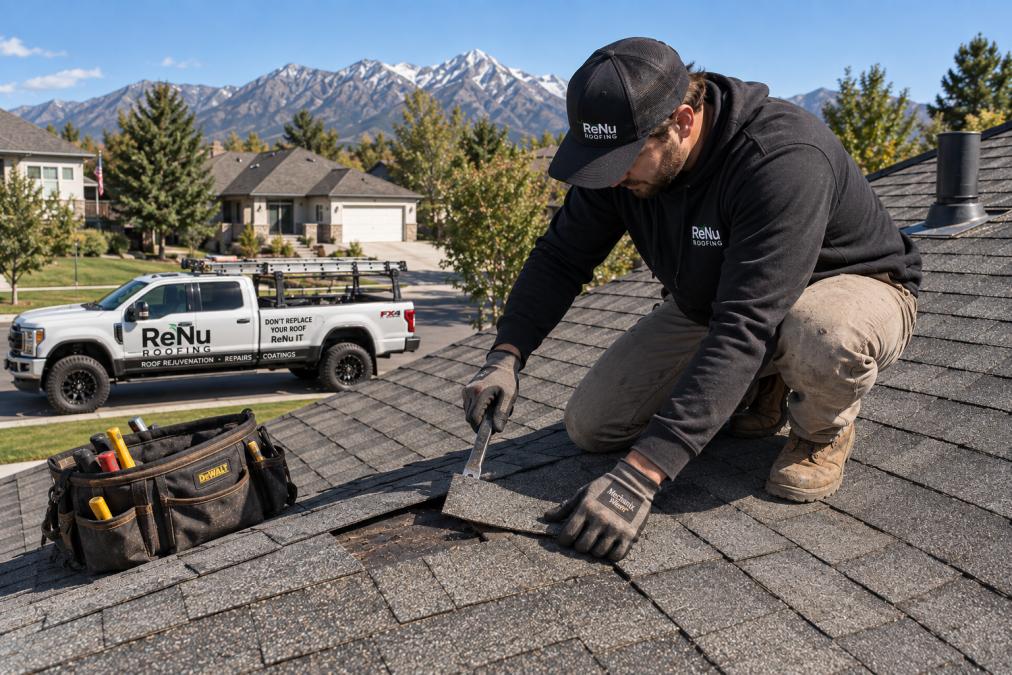
A professional roof inspection is the only reliable way to determine candidacy. ReNu Roofing offers free inspections that assess your roof's structural integrity, estimate remaining service life, and recommend whether rejuvenation or replacement is the appropriate path forward.
Schedule a FREE Roof Inspection →
Benefits of Soy-Based Roof Treatments
Soy-based roof coatings represent an advancement in rejuvenation technology, offering advantages beyond what traditional acrylic or petroleum-based treatments provide. Soy-based formulations penetrate asphalt shingles more effectively, reaching deeper into the shingle material to restore lost oils and flexibility.
Environmental benefits matter to many homeowners. Soy-based treatments are derived from renewable resources rather than petroleum derivatives (the EPA). They're biodegradable and produce fewer volatile organic compounds (VOCs) during application.
UV resistance is enhanced in quality soy-based formulations. The treatment helps protect shingles from the oxidation process that causes brittleness and granule loss. Flexibility restoration is particularly effective with soy-based treatments, the oils restore the shingle's ability to expand and contract with temperature changes, reducing the cracking and splitting that occurs in brittle, aged shingles. This flexibility is critical for roofs in climates with significant temperature swings, like Utah's.
How Long Does Roof Rejuvenation Last
The service life of a rejuvenated roof depends on multiple factors, making it impossible to guarantee an exact timeline. However, understanding what influences longevity helps you set realistic expectations.
Initial roof condition is the strongest predictor. A roof that's 12-15 years old with minor aging typically extends several years after rejuvenation. A roof that's already 18-20 years old with significant wear might extend fewer years. You can't rejuvenate a roof beyond its structural limits; the underlying material still ages.
Climate and weather exposure matter significantly. Roofs in areas with harsh UV exposure, frequent temperature swings, heavy precipitation, or hail damage degrade faster than roofs in mild climates. Utah's dry climate and intense sun actually favor rejuvenated roofs; the low humidity reduces moisture-related degradation.
Maintenance after rejuvenation extends longevity. Regular gutter cleaning, debris removal, and prompt repair of any emerging damage preserve the rejuvenated roof's condition. Quality of the treatment itself influences how long the benefits persist. Professional-grade applications with proper surface preparation and high-quality materials last longer than budget options.
Warranty coverage provides insight into expected longevity. ReNu Roofing's transferable warranty on rejuvenation services reflects confidence in the treatment's durability. This warranty transfers to new owners if you sell your home, which adds value to the service.
Most rejuvenated roofs perform well for several years before showing significant re-aging. The key is viewing rejuvenation as an extension of your roof's life, not a permanent fix. Eventually, replacement becomes necessary, but rejuvenation delays that expense and lets you plan on your own terms.
Is Roof Rejuvenation Worth the Investment?
Whether rejuvenation makes financial sense depends on your specific situation. This isn't a one-size-fits-all decision.
Rejuvenation is worth considering if:
Your roof is structurally sound but showing age signs. If there are no active leaks and the underlying structure is intact, rejuvenation can add years of functional life at a reasonable cost. You need time before a full replacement. If you're not ready financially or logistically for replacement, rejuvenation buys you years to plan and budget. You're managing multiple properties or on a fixed income. Rejuvenation costs significantly less than replacement, making it accessible when replacement isn't financially feasible. You're environmentally conscious. Rejuvenation reduces landfill waste from torn-off roofing material and extends the useful life of existing materials.
Rejuvenation is probably not the answer if:
Your roof has active leaks or water damage. Treating the surface won't stop water intrusion; you need structural repair or replacement. The roof is nearing the end of its expected life and showing widespread damage. Rejuvenation won't prevent imminent failure; replacement is more cost-effective. The roof has multiple structural issues. Curling, brittleness, and minor damage can be addressed; sagging, rot, or mold indicates deeper problems.
The cost-benefit analysis is straightforward: compare the rejuvenation cost against what replacement would cost, then consider how many years you'll benefit from the extension.
Getting a Professional Roof Inspection and Rejuvenation Quote
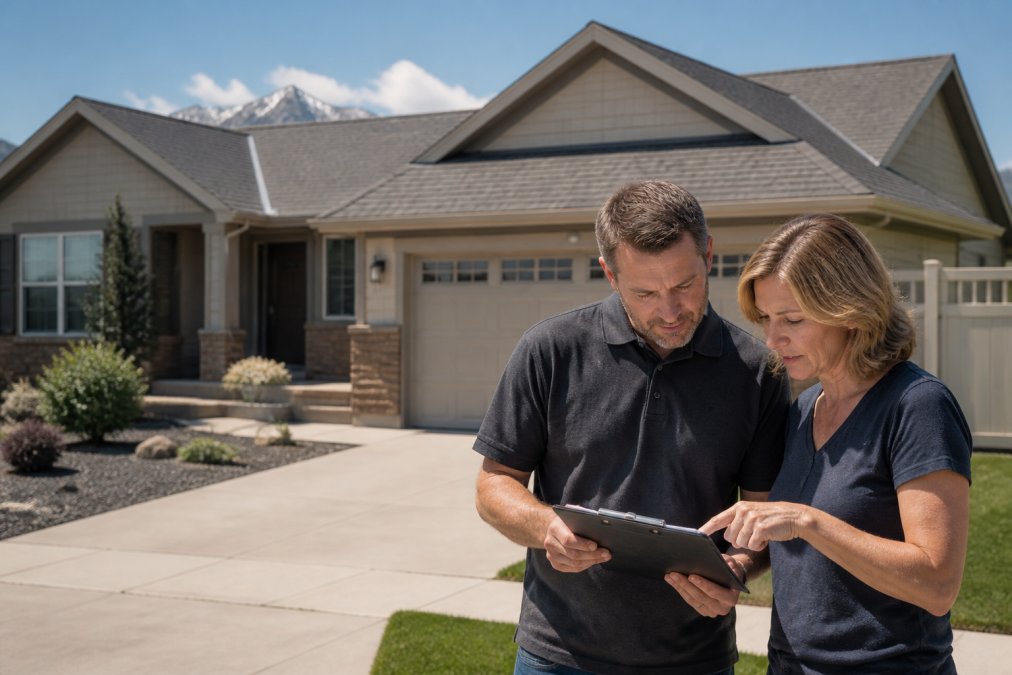
A professional assessment is essential before committing to rejuvenation. The inspection process reveals your roof's true condition and whether rejuvenation is appropriate.
What a professional inspection includes:
A thorough inspection examines shingle condition, checking for granule loss, curling, brittleness, and damage patterns. The inspector assesses the roof's structural integrity, looking for sagging, rot, or water damage signs. Flashing around chimneys, vents, and valleys is evaluated for deterioration. The inspector checks for active leaks, water stains, or moisture intrusion into the attic or interior spaces. Photographs document current conditions, providing a baseline for future comparison.
Preparing for an inspection:
Note any areas where you've noticed leaks, staining, missing shingles, or any damage or concerns.
Getting an accurate quote:
A quote should specify the treatment type, the square footage being treated, and any repairs included. The warranty terms should be stated in writing, including coverage duration and what's included. A significantly cheaper quote may indicate lower-quality materials or insufficient surface preparation. Ask potential contractors about their experience with roofs similar to yours, what warranty they offer, and whether that warranty transfers if you sell.
ReNu Roofing provides comprehensive inspections and detailed quotes that explain exactly what you're paying for and what results you can expect. Our assessment process helps homeowners understand their roof's condition and make confident decisions about rejuvenation versus other options.
Roof rejuvenation offers a practical middle path between accepting roof deterioration and undertaking expensive full replacement. For homeowners with aging but structurally sound roofs, the decision hinges on understanding your roof's current condition, realistic lifespan expectations, and your financial situation. A professional inspection removes guesswork and reveals whether rejuvenation makes sense for your specific roof. ReNu Roofing's team can assess your roof's condition, explain your options clearly, and provide a detailed quote so you can make an informed decision with confidence.
Frequently Asked Questions
How much does roof rejuvenation typically cost compared to full replacement?
Roof rejuvenation costs significantly less than full replacement for eligible roofs. The exact investment depends on roof size, condition, and treatment type. Homeowners can often save thousands by choosing rejuvenation when their roof is a good candidate. Contact a professional for a detailed quote based on your specific roof to understand your potential savings.
What factors influence the cost of roof rejuvenation services?
Several factors affect pricing: roof square footage, current condition and damage extent, accessibility for contractors, treatment material selection (such as soy-based or polymer options), and labor complexity. Roofs with extensive damage or structural issues may require repairs before rejuvenation, affecting total cost. A professional roof inspection identifies these factors and provides accurate pricing.
How long does roof rejuvenation last, and is it worth the investment?
Professional roof rejuvenation can extend your roof's life by 5–15 years, depending on climate, maintenance, and treatment quality. For roofs that are good candidates—typically 10–20 years old with moderate wear—rejuvenation offers strong value by delaying replacement and protecting your home from weather damage. A professional assessment determines whether rejuvenation makes sense for your specific roof.
Can I do roof rejuvenation myself, or do I need a professional?
Professional application is strongly recommended. Proper rejuvenation requires correct surface preparation, appropriate material selection, and precise application technique to ensure the treatment bonds properly and lasts as promised. DIY attempts risk improper coverage, safety hazards from working at height, and potential damage that could worsen your roof's condition. Professional contractors carry insurance and warranty their work.
This article was written using GrandRanker