 How-to
How to Prevent Replacing Your Roof in Utah
Quick Summary
You may be able to avoid replacing your roof if the damage is limited and the decking is sound. Start by checking shingles, flashing, and the attic for daylight, damp insulation, or staining. Rejuvenation can extend the life of aging asphalt shingles, while replacement becomes necessary when damage is widespread.
- Repair is usually enough when a few shingles are cracked or flashing is loose in one spot.
- Replacement may be needed when damage covers large areas or leaks keep returning after repairs.
- A roof can lose its protection from granule loss or brittle shingles even when it is not leaking.
- Rejuvenation for residential asphalt roofs comes with a 6-year transferable warranty.
- Get written estimates for each option so you can compare repair, rejuvenation, and replacement side by side.
Table of Contents
- Start With a Clear Picture of Your Roof's Condition
- Should I Replace My Roof If It's Not Leaking?
- How Long Does a Roof Last Asphalt Shingles, and Where Does Yours Stand?
- Roof Repair vs Replacement: Deciding Which Path Fits Your Home
- How Roof Rejuvenation for Asphalt Shingles Can Extend Roof Life
- Documenting Your Roof and Challenging a Replacement Recommendation
- Booking Your Roof Assessment With ReNu Roofing
- Frequently Asked Questions
Start With a Clear Picture of Your Roof's Condition
Last Updated: November 6, 2026
Many Utah homeowners with aging asphalt shingle roofs hear "full replacement" before they understand what is actually wrong. A roof that looks tired is not always a roof that has failed. Before you commit to replacing your roof, get a clear picture of what condition it is really in.
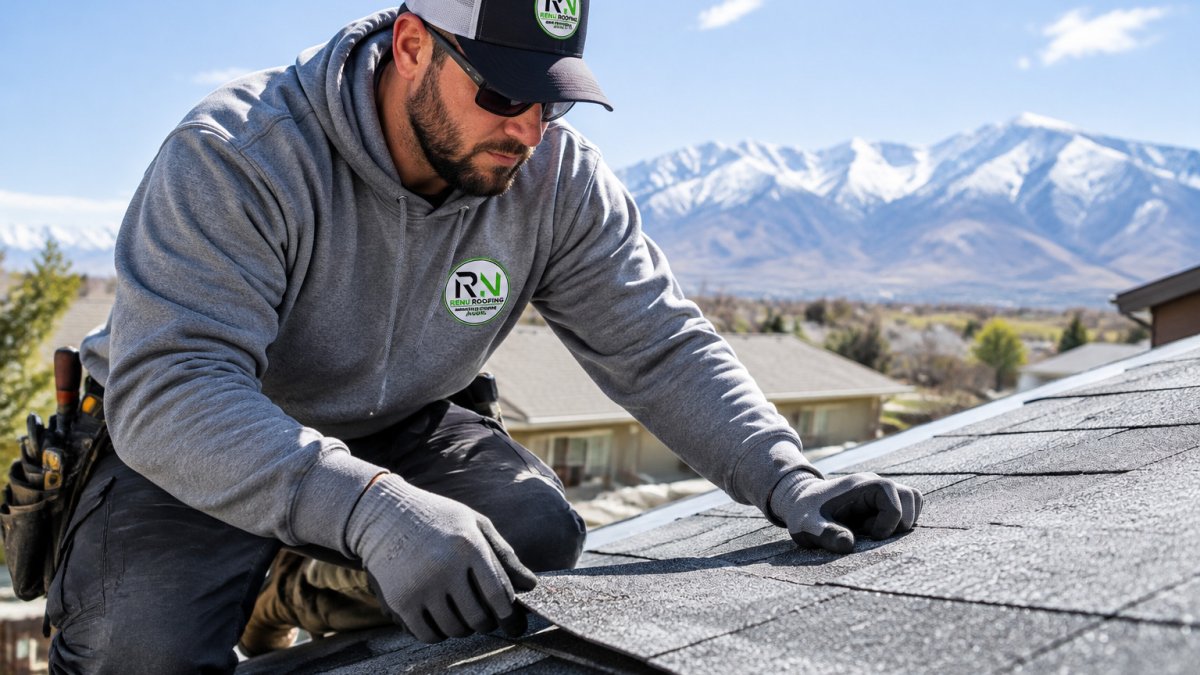
Start by looking at the roof from the ground and from the attic. Check for curling or cracked shingles, bald patches where granules have worn away, and granules collecting in your gutters. Then check the attic for daylight, damp insulation, or dark stains on the underside of the decking.
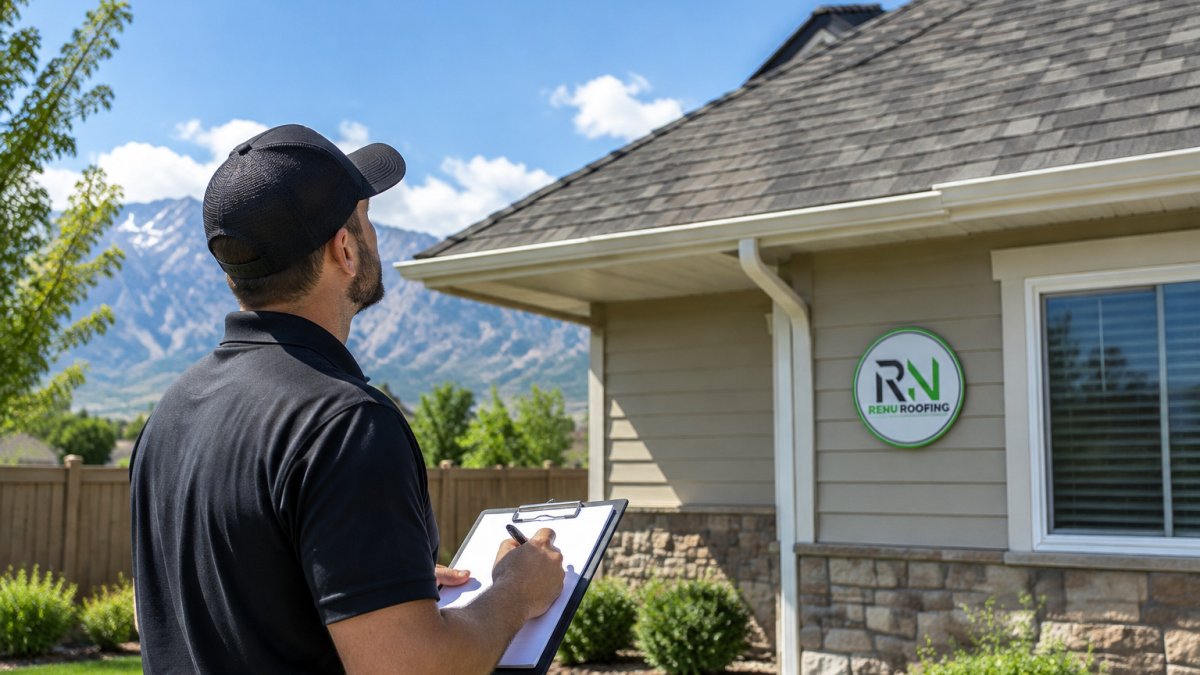
!Homeowner in a Utah backyard looking up at an asphalt shingle roof on a sunny day with a clipboard and notepad
Signs a Roof May Need Replacement Versus Repair
Repair is often enough when the damage is limited. Replacement becomes the better option when the problems are widespread.
- Repair is usually enough when: a few shingles are cracked or missing, flashing is loose in one spot, or granule loss is minor.
- Replacement may be needed when: damage covers large areas, shingles are brittle across the roof, or leaks keep returning after repairs.
Should I Replace My Roof If It's Not Leaking?
No leak does not mean the roof is healthy. Water can get past shingles and sit in the decking or underlayment for a long time before a stain appears inside.
A roof can also lose its protective ability while still keeping water out. Shingles that have lost granules or dried out are more exposed to sun, wind, and hail. Learn how to identify early signs of shingle granule loss before the damage spreads. The useful question is not "Is it leaking?" but "Is the roof still doing its job?"
If the roof is not leaking but shows granule loss or brittle shingles, a rejuvenation service may restore flexibility and protection without a full replacement. Compare rejuvenation costs with replacement before you decide.
How Long Does a Roof Last Asphalt Shingles, and Where Does Yours Stand?
Asphalt shingle roofs are commonly rated by manufacturers for a service life of several decades, depending on the shingle line. Those ratings assume normal conditions and are not a promise.
Here is how each one moves the clock:
- Shingle grade. Builder-grade three-tab shingles sit at the low end of the range. Architectural shingles are heavier and typically carry longer ratings. The label on the bundle, or the manufacturer's warranty paperwork, tells you which you have.
- Attic ventilation. A hot, poorly vented attic bakes the shingles from underneath. Intake vents at the soffit and exhaust vents near the ridge keep the deck cooler and slow the aging of the asphalt. If your attic runs noticeably hotter than the outdoor air in summer, ventilation is part of your roof's story.
- Sun and storm exposure. Roofs on the south and west slopes age faster because they take the most direct sun. Hail and wind events add wear on top of that. A roof with one badly weathered slope and three healthy ones is a candidate for a section repair, not automatically a full tear-off.
- Installation quality. Proper nailing, correct underlayment, and clean flashing details determine whether the roof reaches its rating or falls short of it.
To see where your roof stands:
- Note the installation year from the permit record, the closing paperwork from when you bought the home, or the manufacturer's warranty documents.
- Count the years that have passed and compare that to the rating for your shingle line.
- Match the age against the condition you found on your inspection, granule loss, brittleness, and flashing condition matter more than the calendar alone.
- Check the attic ventilation setup so you know whether the roof is aging faster than its rating.
An older roof in good condition may still have useful life left. A younger roof with widespread damage may need attention sooner. Age is one input, not the verdict.
Watch out: a roof at or past its rated life can still look fine from the ground, so do not treat the age number as permission to skip a hands-on inspection of the deck and flashing.
Roof Repair vs Replacement: Deciding Which Path Fits Your Home
The right choice depends on three things: how much of the roof is affected, how old it is, and what your budget allows.
- Choose repair when: the roof is relatively young, damage is limited, and the underlying deck is sound.
- Choose rejuvenation when: the shingles are aging but the roof structure is solid, and you want to extend its life.
- Choose replacement when: the decking is rotting, damage is widespread, or the roof has reached the end of its useful life.
Get written estimates for each option so you can compare them side by side.
How Roof Rejuvenation for Asphalt Shingles Can Extend Roof Life
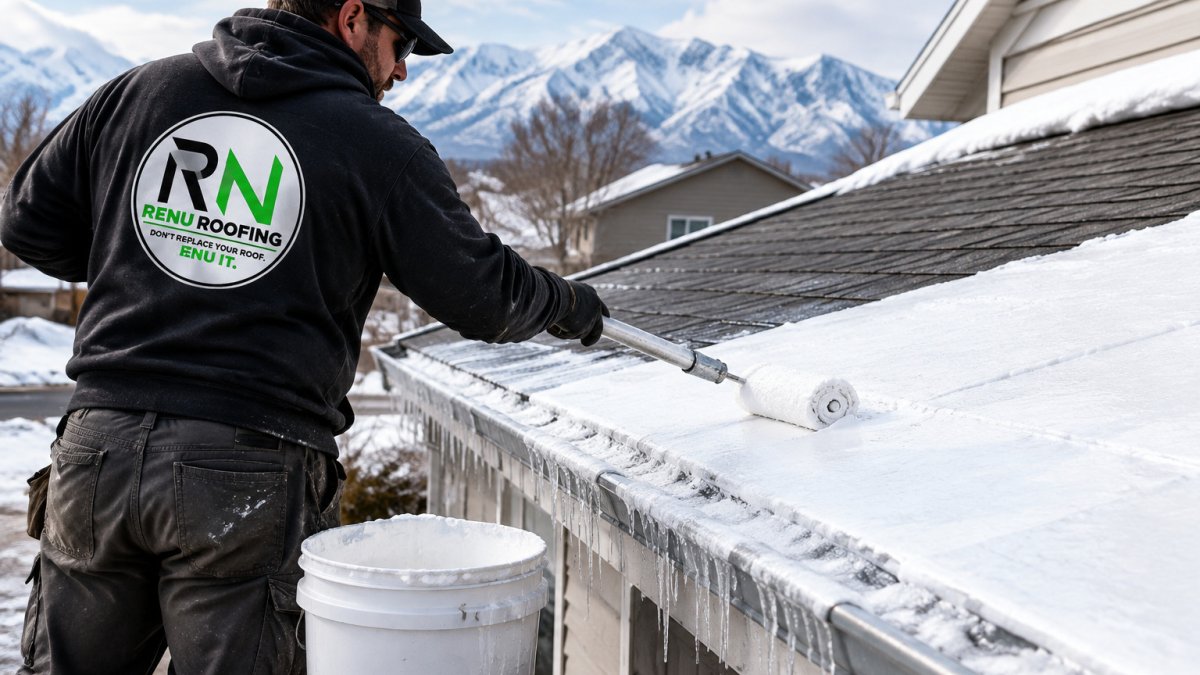
Roof rejuvenation treats aging asphalt shingles to restore flexibility and reduce granule loss. It is a cost-effective alternative to full replacement for homes with roofs that are still structurally sound.
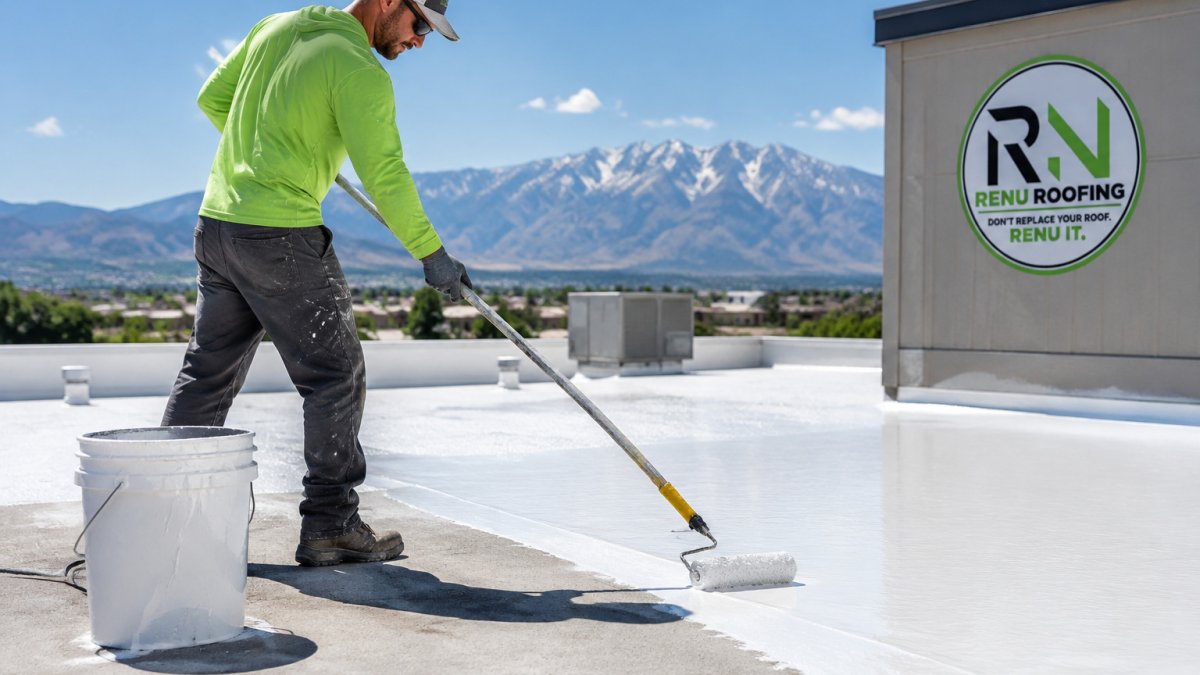
Rejuvenation is a service for residential asphalt roofs. Roof coatings are a separate service that ReNu Roofing applies to flat roofs, mainly on commercial buildings.
Schedule Your FREE Roof Inspection Today →
For residential asphalt roofs, ReNu Roofing offers rejuvenation with a 6-year transferable warranty. The service is designed to help protect against hail, wind, ice, and UV damage as an alternative to a tear-off.
Rejuvenation works best when the shingles are still intact and the decking is in good shape. A professional assessment will confirm whether your roof qualifies.
Documenting Your Roof and Challenging a Replacement Recommendation
A second opinion can help when a replacement recommendation seems unclear. If an insurer or a contractor has told you the roof must be replaced, you can push back, but only with evidence and a paper trail. Understand how roof coating warranty transfers work so you can weigh the warranty terms before deciding. Here is how to build both.
Build the documentation file first
Before you call anyone, assemble your own record of the roof's condition. A complete file makes every later conversation easier and gives you something to hand a second inspector.
- Dated photos. Shoot the roof from the ground at each slope, then close-ups of any damaged area. Include the gutters with granule buildup, the flashing at chimneys and walls, and the attic underside of the decking. Date-stamp everything.
- Attic evidence. Photograph any daylight, damp insulation, or dark staining on the deck. Note where in the attic each photo was taken.
- Paper trail. Collect prior repair invoices, the original installation paperwork, and any manufacturer warranty documents. These establish the roof's age and history.
- Written estimates. Ask every contractor for a written scope of work, not a verbal number. The scope should list what will be removed, what will be installed, and what is being repaired versus replaced.
- Inspection questions. Ask each inspector to identify the specific damage, its location on the roof, and whether the decking is sound. Write the answers down.
Challenge the recommendation in writing
If an insurer says the roof must be replaced, ask for the inspection report and the specific damage findings behind the decision. Request them in writing so the request is on record. Then compare those findings against your own photos and against a second professional assessment.
A replacement recommendation may rest on damage that is limited to one slope or one flashing detail. If a second inspector confirms the damage is limited, you have grounds to ask for repair or a partial replacement instead. Put that request in writing, reference the second assessment, and keep a copy.
Know what varies by policy and by jurisdiction
Requirements differ by insurance policy and by local rules, so read your own documents before you argue. Check three things:
- Policy terms. Look for the sections on actual cash value versus replacement cost, and any language about roof age or cosmetic damage exclusions.
- Deadlines. Find the deadline for filing a claim, for submitting a proof of loss, and for appealing a denial. Missing a deadline can close the door.
- Local rules. Permit requirements and inspection standards are set locally, so confirm what your jurisdiction requires before work begins.
Temporary measures while you decide
You do not have to choose between a full replacement and doing nothing. Safe, short-term steps can buy you time while you gather evidence:
- Tarp or patch an active leak to stop water intrusion.
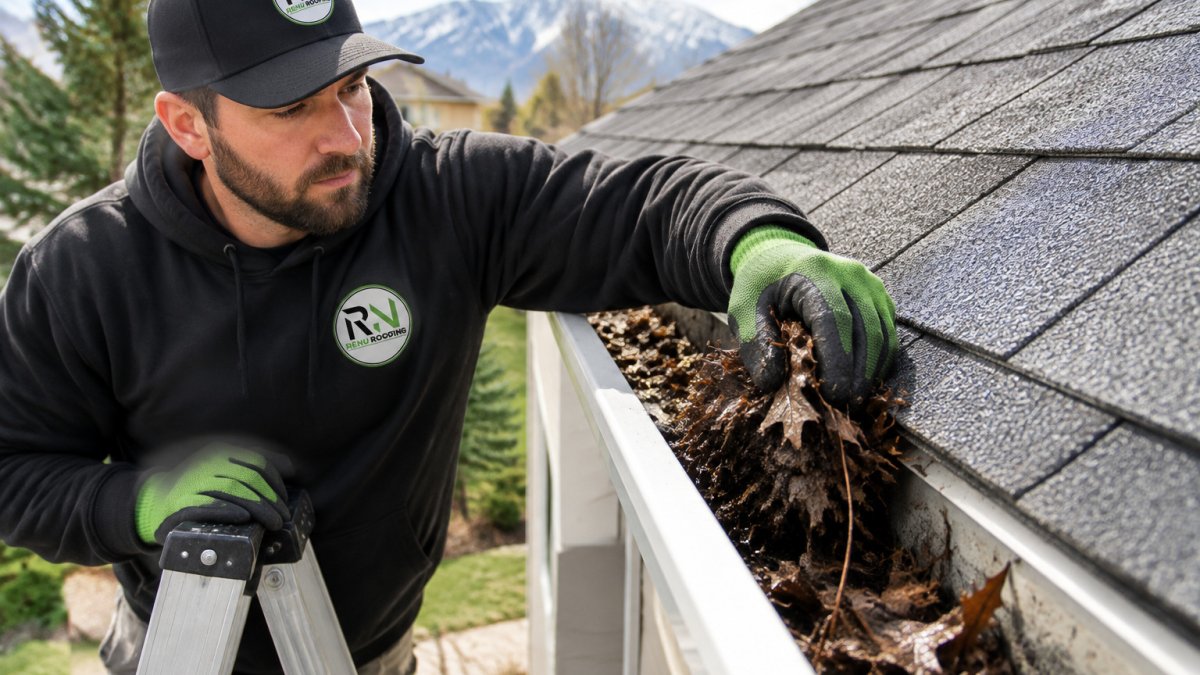
- Clear debris from gutters and valleys so water drains.
- Call an emergency roofer if water is entering the home or the decking is visibly sagging.
Watch out: temporary fixes are not an assessment. A tarp stops the water but tells you nothing about the decking underneath, so do not let a patch delay the inspection that decides the real question.
Keep the whole file in one folder, photos, reports, estimates, and correspondence. It will serve you whether you end up repairing, rejuvenating, or replacing.
Booking Your Roof Assessment With ReNu Roofing
If you are not sure whether your roof needs replacement, a professional assessment is the best next step before replacing your roof. ReNu Roofing serves residential and commercial clients across Utah and can tell you whether rejuvenation, repair, or replacement fits your roof.
Our team can review the shingles, flashing, and attic conditions, then explain your options in plain terms. You can request a roof rejuvenation quote online to see whether your asphalt shingle roof qualifies. For a clearer sense of what the process involves, read our guide on extending asphalt roof life before you call.
Frequently Asked Questions
Can roof repairs prevent a full replacement?
In many cases, yes. Targeted repairs such as replacing cracked or missing shingles, sealing flashing, and fixing isolated leaks can address the specific problems that are causing damage. Repairs are most likely to be enough when the damage is limited to a few areas and the underlying deck is sound. If damage is widespread or the shingles have lost their flexibility, repairs alone may only delay the decision. A professional assessment can help you tell which situation applies to your roof.
Does a 20-year-old roof need to be replaced?
Not automatically. Age is one factor, but the condition of the shingles, the presence of leaks, and the state of the attic and decking matter more. Asphalt shingle roofs reach the end of their service life at different ages depending on the shingle line and conditions, and some roofs in good condition continue to perform for longer. Look for curling, cracking, granule loss, and daylight visible through the roof boards from the attic. Those signs suggest a closer look is needed before deciding.
What is roof rejuvenation and how does it help asphalt shingles?
Roof rejuvenation involves applying a product that restores flexibility to aging asphalt shingles and helps reduce granule loss. The goal is to slow further deterioration and support the roof's usable life. ReNu Roofing offers rejuvenation for residential asphalt roofs with a 6-year transferable warranty. Whether it fits your roof depends on its current condition, so an inspection is the right first step. Contact ReNu Roofing for a quote, since pricing depends on the size and condition of your roof.
What should I do if I need a new roof but can't afford it?
Start by getting a written assessment that separates urgent repairs from work that can wait. Ask whether targeted repairs or rejuvenation can address the problem for now, and request a clear scope and written estimate from each provider. Keep documentation of the roof's condition with dated photos. If an insurance claim may apply, review your policy terms and deadlines before deciding. Current pricing for any service depends on your roof's size and condition, so request a quote from ReNu Roofing for details.
Roof rejuvenation pricing depends on roof size, condition, and access. Contact ReNu Roofing for a written quote specific to your home.