 How-to
7 Signs Your Roof Needs Rejuvenation Now
Quick Summary
There is no fixed schedule for roof rejuvenation. Timing depends on inspection: treat asphalt shingles when they are drying out but still structurally sound, typically in the early aging window between years 5 and 10. Sun exposure, ventilation, weather and maintenance can shift that timing.
- Years 0-5 on a new roof need no rejuvenation treatment, only annual inspection.
- Years 5-10 are the ideal window, with inspections every two years.
- Re-inspect at year five after any treatment, or sooner after severe weather.
- South- and west-facing slopes dry out faster and may need inspection a year earlier.
- Do not treat roofs with active leaks, soft decking, or widespread missing shingles.
Table of Contents
- How Often Should You Rejuvenate Your Roof?
- What Roof Rejuvenation Is and How It Works
- Signs Asphalt Shingles Need Rejuvenation
- How Long Does Roof Rejuvenation Last?
- Which Roofs Qualify and When Rejuvenation Is Not the Right Choice
- Roof Rejuvenation vs. Roof Replacement
- Understanding the Roof Rejuvenation Warranty and Scheduling Your Next Treatment
- Frequently Asked Questions
How Often Should You Rejuvenate Your Roof?
The right timing for rejuvenation is set by inspection, not by a calendar. Inspect the roof after installation or after the last treatment, then treat only if the shingles are drying out but still structurally sound. Treating earlier than needed wastes money; treating after cracking and granule loss are widespread gives poor results.
A workable schedule by roof age and condition:
- Years 0-5 (new roof): No treatment needed. Inspect annually and after major hail or wind events. Rejuvenation is not appropriate on new shingles that still have full flexibility and granules.
- Years 5-10 (early aging): Inspect every two years. If you see dull, chalky surfaces or light granule loss in gutters but no cracking, this is the ideal window to treat. Early treatment generally produces the best results.
- Years 10-15 (moderate aging): Inspect annually. Rejuvenation can still help if shingles are brittle but intact. If curling, cupping, or bald patches are widespread, get a repair-or-replace assessment before treating.
- Years 15-20+ (late life): Inspect annually and treat only if a professional confirms the roof is still sound. Many roofs at this age are better candidates for replacement than for another treatment.
- After any treatment: Re-inspect at year five, or sooner after severe weather. Repeat treatment only when the shingles show drying again.
Several factors shift that schedule:
- Sun exposure: South- and west-facing slopes dry out faster and may need inspection a year earlier.
- Ventilation: Poor attic airflow heats shingles from underneath and accelerates aging; correcting ventilation can extend the interval.
- Weather: Hail, wind, and freeze-thaw cycles strip granules and can shorten the cycle.
- Maintenance: Clear gutters, trimmed branches, and prompt repair of small issues help the roof and the treatment last longer.
Because these factors vary so much, a treatment schedule should be based on inspection, not on a fixed calendar date alone. You can get a roof rejuvenation quote online to find out whether your asphalt shingle roof qualifies and when it makes sense to treat it.
The right timing depends on the roof's age and condition, so the schedule below is a guide rather than a fixed calendar.
| Roof age | Inspection frequency | When to treat |
|---|---|---|
| Years 0-5 (new roof) | Annually and after major hail or wind | Not needed; shingles still flexible |
| Years 5-10 (early aging) | Every two years | Dull or chalky surface, light granule loss, no cracking |
| Years 10-15 (moderate aging) | Annually | Brittle but intact; repair-or-replace check if curling is widespread |
| Years 15-20+ (late life) | Annually | Only if a professional confirms the roof is sound |
| After any treatment | Re-inspect at year five | Repeat only when shingles dry out again |
What Roof Rejuvenation Is and How It Works
Roof rejuvenation is a process that applies a treatment to existing asphalt shingles to restore their flexibility and protect the surface. The goal is to slow aging, reduce granule loss, and keep the roof working longer before replacement becomes necessary.
Aging shingles lose their natural oils over time. As they dry out, they become brittle, crack, and shed granules. Those granules protect the asphalt from UV light, so losing them speeds up the damage. A rejuvenation treatment works to replace some of the lost flexibility and help the shingles hold their protective layer.
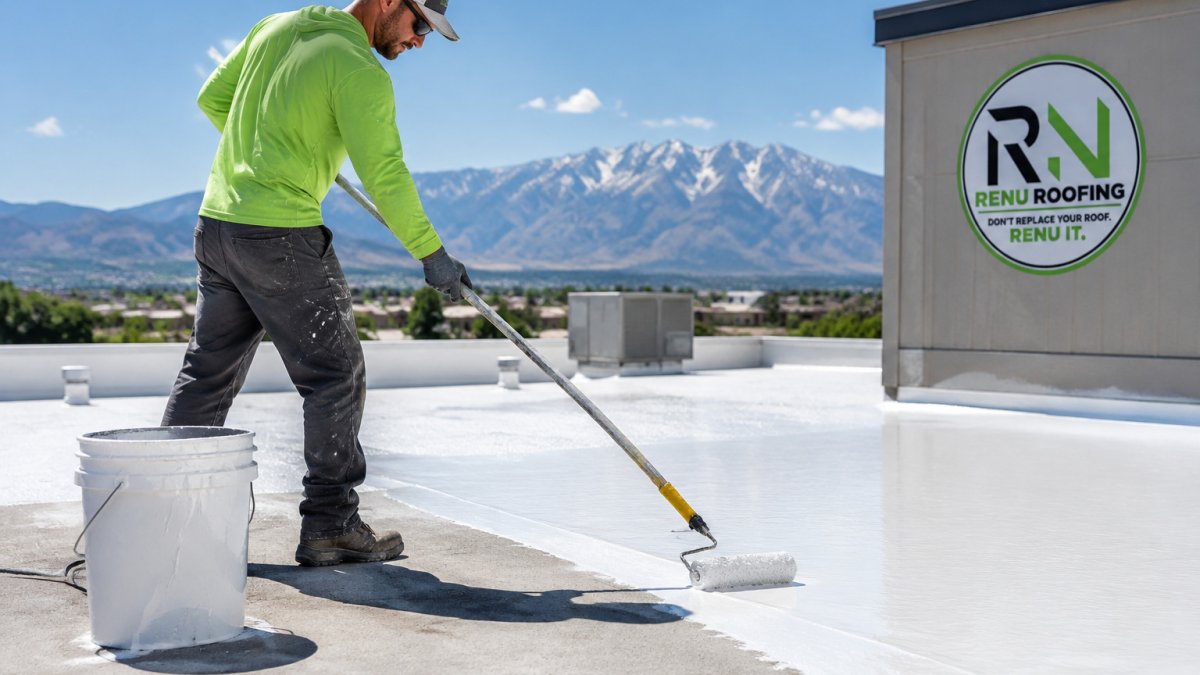
Rejuvenation is not the same as applying a roof coating. For residential asphalt roofs, rejuvenation is the service we use, and it carries its own warranty. Coatings are used only on flat roofs, which are mainly found on commercial buildings.
Rejuvenation is worth considering because it:
- Restores flexibility to aging shingles
- Reduces granule loss and surface wear
- Helps protect against UV damage
- Can be a cost-effective alternative to a full replacement
Signs Asphalt Shingles Need Rejuvenation
Shingles usually give warning signs before they fail. Catching these early gives you more options and more time. Use this homeowner checklist, then have a professional confirm what you find.
Schedule Your FREE Roof Inspection Today →
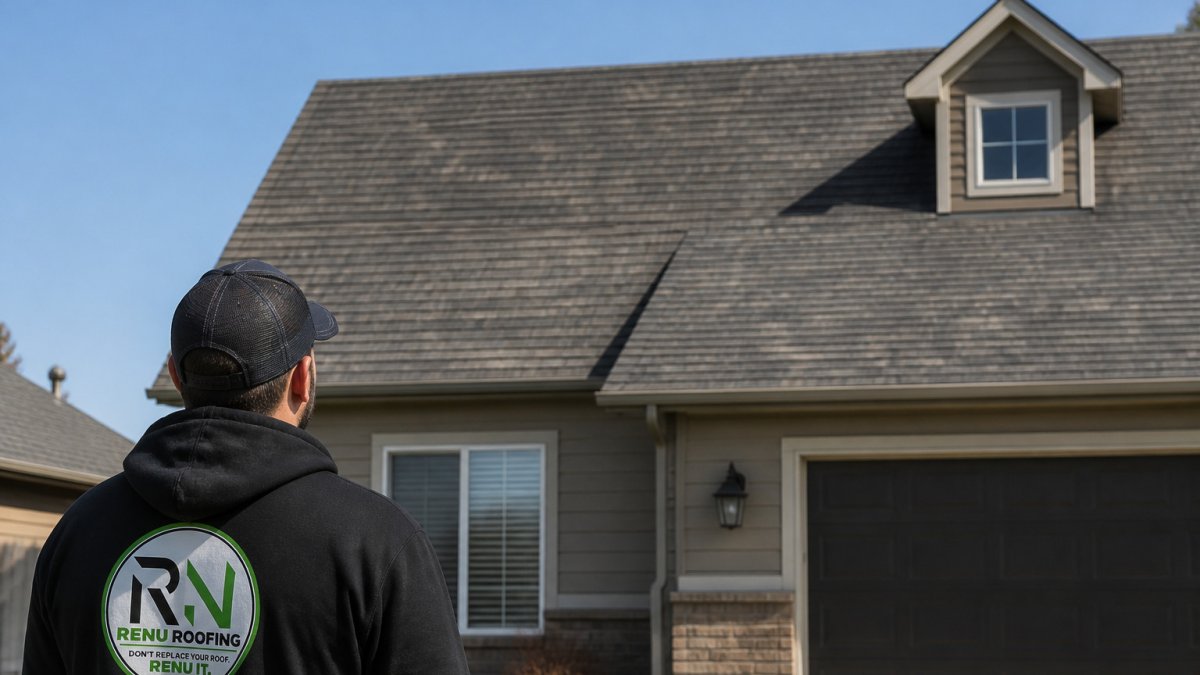
Homeowner inspection checklist (do this from the ground and at the gutters, never by walking the roof):
- Curling or cupping edges: Shingle edges lift or curl upward, a sign the material has dried out. A few curled shingles may be repairable; widespread curling across a slope points to replacement.
- Cracking or brittleness: Shingles crack when lifted or walked on. Isolated cracks can be patched; cracking across multiple slopes means the shingles are near the end of their life.
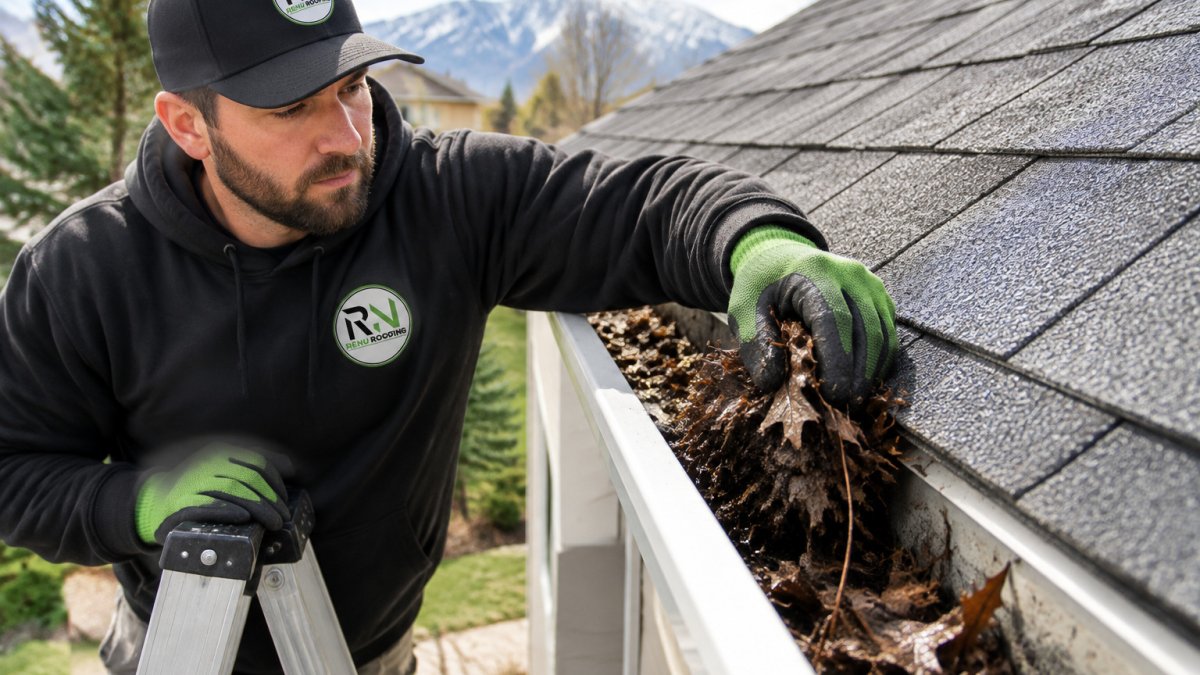
- Granules in the gutters: Heavy granule loss means the protective layer is wearing away. Light granules after a storm are normal; a thick layer every time you clean gutters is a warning.
- Bald or faded patches: Dark asphalt showing through indicates lost surface protection. Small patches may still respond to treatment; large bald areas usually do not.
- Dried or chalky appearance: The surface looks dull, gray, or powdery. This is the earliest and most treatable sign.
- Small leaks or water stains: Water finding its way into the attic signals a weakened barrier. Any active leak needs repair before treatment is considered.
- Missing or loose shingles: Wind and aging can loosen shingles and expose the underlayment. Missing shingles call for repair, not just rejuvenation.
- Sagging roofline or soft decking: This points to structural or decking damage and rules out a surface treatment.
What a professional assessment should cover:
- A walk or drone inspection of every slope, not just the front
- Granule loss and shingle flexibility checks on representative shingles
- Attic ventilation and decking condition
- Flashing, valleys, and penetrations for leaks
- A clear recommendation: treat now, repair first, or replace
Many homeowners notice granules in the gutters first. Seeing them after a storm or during cleaning is a good reason to have the roof inspected. ReNu Roofing can assess your roof to help determine whether your shingles are in the treatable window.
How Long Does Roof Rejuvenation Last?
Rejuvenation can extend roof life, but the results are not permanent. You can compare rejuvenation lifespan, results, and restoration costs on our roof rejuvenation page. A treatment restores some flexibility and protection, and how long those benefits last depends on the roof's condition, exposure, and how well it has been maintained.
Roofs that are treated earlier, before major damage occurs, generally see the most benefit. A treatment on a roof that is already badly cracked or leaking will not restore it fully. A professional assessment helps set realistic expectations about how much additional life to expect.
ReNu Roofing aims to be honest about results, explaining what a treatment can and cannot do for your roof. You can also learn more about how to extend asphalt roof life with maintenance habits and a shingle care schedule.
Regular maintenance helps the results last. Keep gutters clear, trim overhanging branches, and check the roof after major storms. These steps reduce the wear that a treatment is meant to counter.
Which Roofs Qualify and When Rejuvenation Is Not the Right Choice
Rejuvenation works best on asphalt shingle roofs that are aging but still structurally sound. A roof that is a good candidate usually has shingles that are dried or brittle, not fully failed, and has no major structural damage.
Rejuvenation may not be the right choice when:
- The roof has widespread cracking, missing sections, or structural sagging
- Decking or underlayment is rotted or damaged
- The roof has already reached the end of its service life
- The home has ongoing leaks that a surface treatment cannot solve
In these cases, repairs or replacement may be the safer option. We would rather tell you that honestly than sell a treatment that will not help. Our team can help you decide between rejuvenation, repair, and replacement after an inspection.
Roof Rejuvenation vs. Roof Replacement
Rejuvenation and replacement serve different purposes. Rejuvenation extends the life of a roof that still has useful life left. Replacement is needed when a roof has reached the end of its life or has damage that cannot be repaired.
Schedule Your FREE Roof Inspection Today →
Rejuvenation can be a lower-cost option for a roof in fair condition, and it can delay replacement. Replacement makes sense when the roof is failing in multiple places or when a new roof is required for the home's long-term protection.
Consider the trade-offs:
- Rejuvenation: Lower upfront cost, extends life, suited to aging but sound roofs
- Replacement: Higher upfront cost, full new service life, needed for failed roofs
You can review completed residential projects to see how rejuvenation has worked on roofs similar to yours.
Understanding the Roof Rejuvenation Warranty and Scheduling Your Next Treatment
Warranty coverage is an important part of any rejuvenation decision. Our residential rejuvenation services carry a 6-year transferable warranty, which can help if you sell your home during that period. Commercial flat roofs treated with our Gaco coatings can carry a separate warranty of up to 20 years, because coatings and rejuvenation are warranted separately.
Before committing, ask what the warranty covers, what conditions could void it, and how transfer works. You can read more about roof warranty transferability so you know what to check before closing on a treatment.
To plan your next treatment, schedule an inspection every few years and after major weather events. A regular check helps you catch drying shingles early, when rejuvenation is most effective.
Frequently asked question: How often should a roof be rejuvenated? The right interval depends on the roof's age, condition, and exposure. An inspection is the best way to set a schedule for your specific roof.
Frequently Asked Questions
How often should you rejuvenate your roof?
Rejuvenation is not a fixed-interval service. How often a roof needs it depends on the shingle condition, the climate, roof orientation, ventilation and how well the roof has been maintained. Homeowners often inspect their roof periodically to check granule loss, cracking and flexibility, then decide whether a treatment is due. Because treatment schedules vary by roof, ask ReNu Roofing for a current assessment and quote rather than relying on a generic timeline. The best time to act is while shingles are still flexible and the roof is structurally sound.
Can every asphalt shingle roof be rejuvenated?
No. Rejuvenation works best on residential asphalt shingle roofs that are aging or drying out but still in sound structural condition. Roofs with extensive cracking, missing shingles, soft decking or active leaks may need repair or replacement first. ReNu Roofing inspects each roof to determine whether rejuvenation is appropriate, and will tell you honestly if another approach makes more sense.
How long does roof rejuvenation last?
Results depend on the condition of the roof before treatment, the weather it is exposed to and the maintenance it receives afterward. ReNu Roofing's rejuvenation services carry a 6-year transferable warranty, which is a useful benchmark for how long the work is expected to perform. Regular inspections help catch early wear so the next treatment can be scheduled before water intrusion starts.
Is roof rejuvenation worth it compared to replacement?
For some homeowners on aging asphalt roofs, rejuvenation can be an alternative to a full tear-off. It makes the most sense when the roof is structurally sound and the shingles are drying or losing flexibility. When the decking is damaged or the roof has reached the end of its service life, replacement is usually the better investment. Pricing depends on roof size, condition and scope, so contact ReNu Roofing for a quote on your specific roof.