 How-to
7 Steps to Extend Your Flat Roof's Lifespan in Utah
Quick Summary
A flat roof's lifespan in Utah depends mostly on routine care, since sun, snow, and standing water all wear the surface down. Scheduling inspections, keeping drains clear, fixing ponding and leaks early, and planning seasonal maintenance can extend a flat roof lifespan considerably.
- Schedule a professional flat roof inspection at least once a year, plus a visual check after major storms.
- Water still standing 48 hours after rain or snowmelt signals a drainage or slope problem.
- Clean debris from roof drains and scuppers a few times a year, especially after fall and spring weather.
- Repair small leaks promptly, since they spread into insulation and decking if left alone.
- Flat roofs in good structural condition can receive a Gaco coating with a warranty of up to 20 years.
Table of Contents
- Why Utah's Climate Shortens Flat Roof Lifespan
- Step 1: Schedule a Routine Flat Roof Inspection
- Step 2: Clear Debris and Keep Roof Drains Open
- Step 3: Eliminate Flat Roof Ponding Water
- Step 4: Find Leaks Early and Schedule Timely Repairs
- Step 5: Apply a Flat Roof Coating for UV and Heat Protection
- Step 6: Plan Seasonal Maintenance and Snow Management
- Booking a Flat Roof Assessment with ReNu Roofing
- Frequently Asked Questions
Why Utah's Climate Shortens Flat Roof Lifespan
Last Updated: October 30, 2026
Flat roofs in Utah take a beating. Summer sun bakes the membrane, winter snow sits on the surface, and spring storms often leave water standing where it should drain.
A flat roof has no slope to shed water. Water that pools, freezes, and thaws repeatedly stresses seams, flashing, and the membrane itself. Heat and ultraviolet light then break down the surface over time, a process known as weathering.
- Intense sun and heat degrade the membrane surface
- Snow load and freeze-thaw cycles stress seams and edges
- Standing water speeds up wear at low spots
- Debris traps moisture against the surface
Step 1: Schedule a Routine Flat Roof Inspection
A regular inspection catches small problems before they grow. Most owners benefit from a professional look at least once a year, plus a quick visual check after major storms.
A useful inspection checklist covers:
- Membrane surface for cracks, blisters, or thin spots
- Seams and laps for lifting or separation
- Flashing around vents, curbs, and walls
- Drains, scuppers, and gutters for blockage
- Signs of ponding water and staining on the surface
- Interior ceilings and walls below for water marks
Write down what you find and date each inspection. That record helps track changes over time and supports warranty documentation. Safety matters here: walk only on surfaces you can see clearly, and do not climb onto a roof that is wet, icy, or unstable.
Step 2: Clear Debris and Keep Roof Drains Open
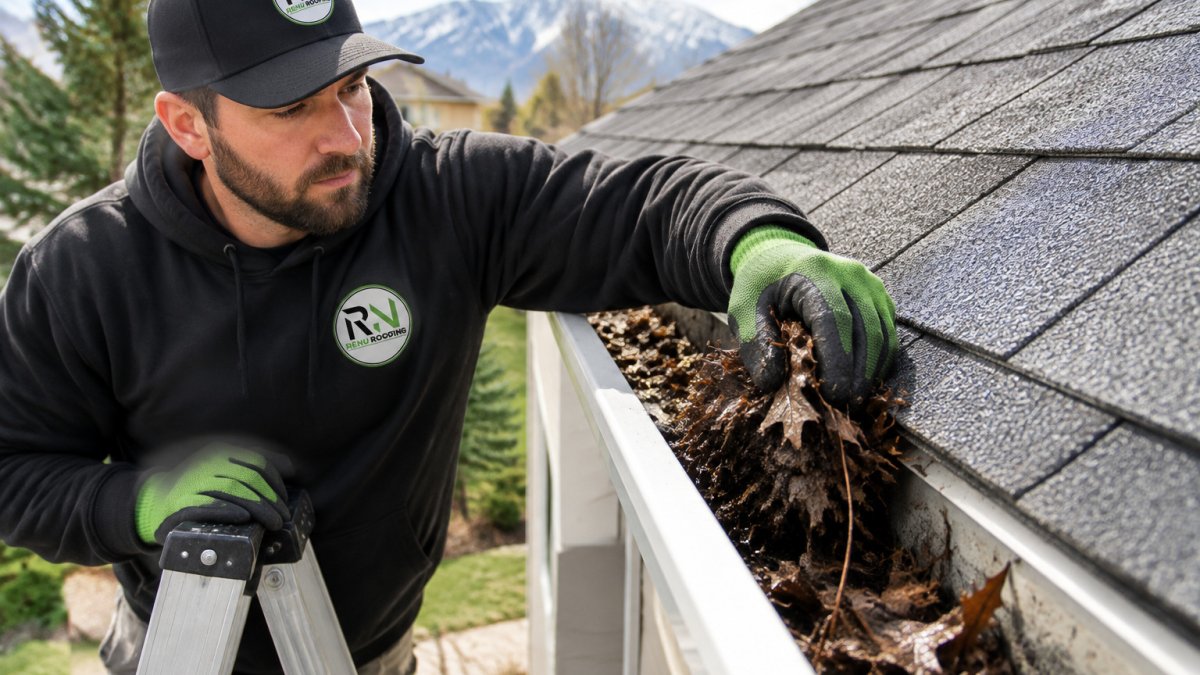
Leaves, dirt, and windblown debris collect in drains and low corners. Once blocked, drains cannot move water off the roof, and the membrane stays wet longer than it should.
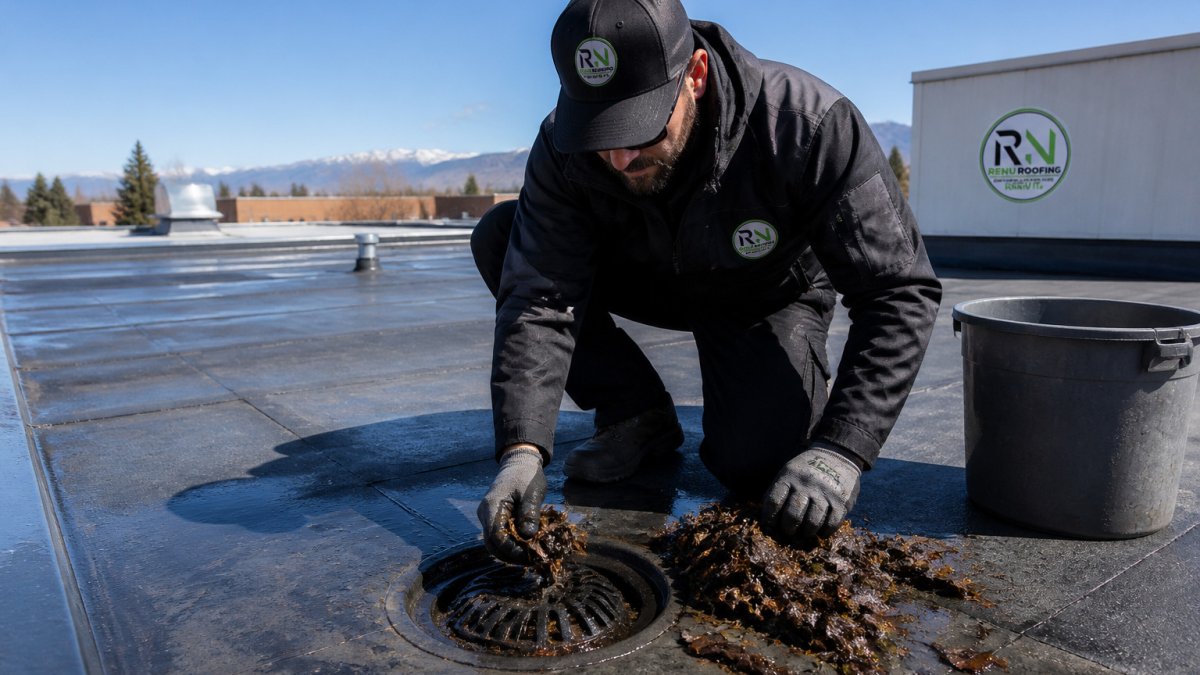
Clean the roof surface and drains a few times a year, especially after fall and spring weather. For more in-depth articles on keeping a roof in good condition year-round, see ultimate-guide articles.
Step 3: Eliminate Flat Roof Ponding Water
Ponding water is one of the biggest threats to a flat roof, and it is also one of the easiest problems to misjudge. For a deeper guide, see drainage solutions and warning signs. A little water that dries within a day is normal on a low-slope roof. Water that lingers for 48 hours or more after rain or snowmelt is a warning sign.
Measurable warning signs
Use these thresholds during and after a storm to decide whether ponding needs professional attention:
- Depth: Water deeper than about 1 inch at the low point is a concern on most low-slope membranes.
- Duration: Water still visible 48 hours after rain stops signals a drainage or slope problem.
- Footprint: Ponds larger than roughly 10 feet across, or that touch seams, flashing, or drains, concentrate stress where leaks start.
- Recurrence: The same low spot reappearing after every storm means the slope is not correcting itself.
- Interior clues: New ceiling stains, sagging deck, or a musty smell below a pond tell you water is already getting through.
Why ponding damages a flat roof
Standing water does more than keep the membrane wet. It adds weight, which stresses the deck and insulation. It wicks into seams and laps, weakening adhesive and letting water migrate under the surface. Repeated freeze-thaw cycles in cold months expand and contract that trapped moisture, opening cracks that would otherwise stay closed. Ultraviolet light then attacks the exposed surface, and the combination shortens the membrane's service life far faster than normal weathering.
Schedule Your FREE Roof Inspection Today →
Drainage fixes that actually work
Start by mapping the low spots during an inspection and marking them so you can track change over time. Then work through the options with a roofing professional:
- Clear the drains first. A surprising share of ponding is simply a blocked drain, scupper, or downspout. Clean and re-test flow before assuming the slope is wrong.
- Add or resize drains and scuppers. If the roof has too few outlets for its area, adding a drain at the low point can solve chronic ponding without re-sloping the whole roof.
- Tapered insulation. Adding tapered insulation board creates positive slope toward existing drains. This is the most reliable long-term fix but also the most invasive.
- Protective coating. A coating does not create slope, but a seamless, water-resistant surface helps the membrane tolerate occasional shallow ponding and slows UV breakdown at the low spots.
Snow, ice, and ponding
In cold months, ponding often shows up as ice rather than open water. Snowmelt that refreezes at a low spot can form a persistent ice patch that blocks the drain and backs water up under seams. After a snow event, check that drains and scuppers are clear once melt begins, and have the roof inspected after the melt if you see new staining or soft spots.
When ponding means repair, not maintenance
If ponding persists after drains are clear and the roof has been assessed, the underlying slope or deck may be failing. At that point the decision shifts from maintenance to repair or partial replacement. A professional assessment should tell you whether the fix is a drain addition, a re-slope with tapered insulation, or a section replacement, and whether the existing membrane is still sound enough to coat.
Step 4: Find Leaks Early and Schedule Timely Repairs
Small leaks rarely stay small. A cracked seam or failed flashing lets water seep into insulation and decking, where damage spreads quietly. Early repair usually costs far less than replacing wet materials later.
Watch for these warning signs:
- Stains or bubbling on ceilings and walls
- Soft or spongy spots on the roof surface
- Cracks, splits, or gaps at seams and edges
- Musty smells in the building
When you spot a problem, schedule a repair promptly rather than waiting for the next storm. Ask your contractor to explain the cause, not just the patch.
Step 5: Apply a Flat Roof Coating for UV and Heat Protection
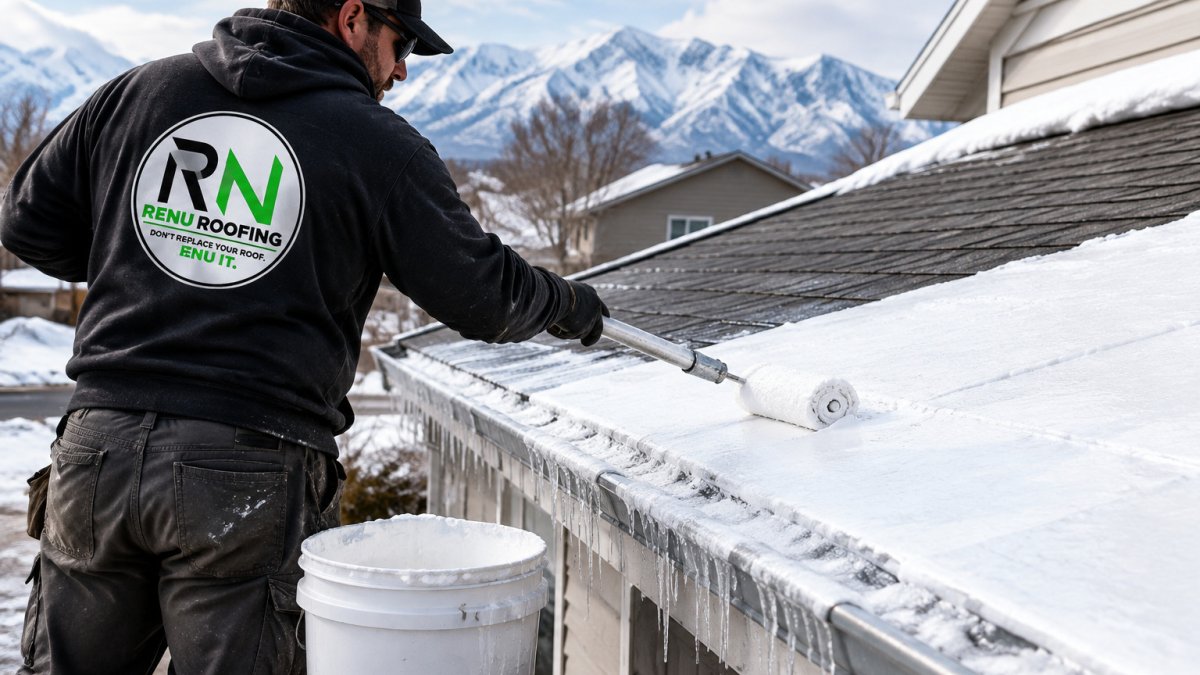
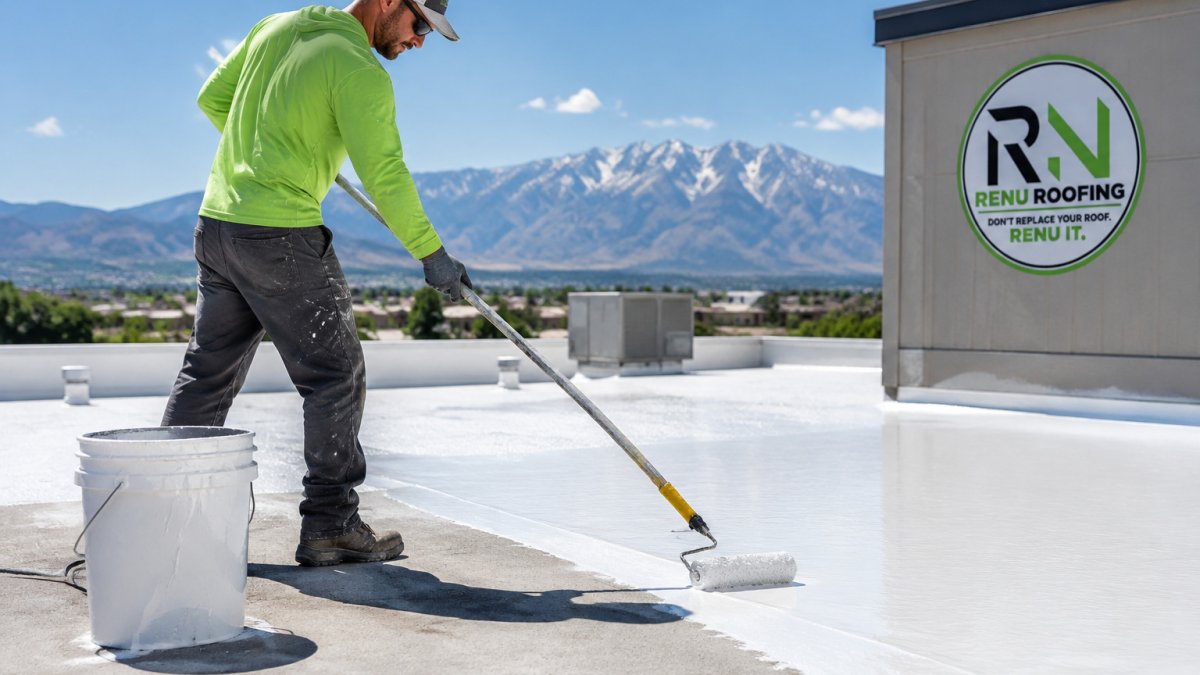
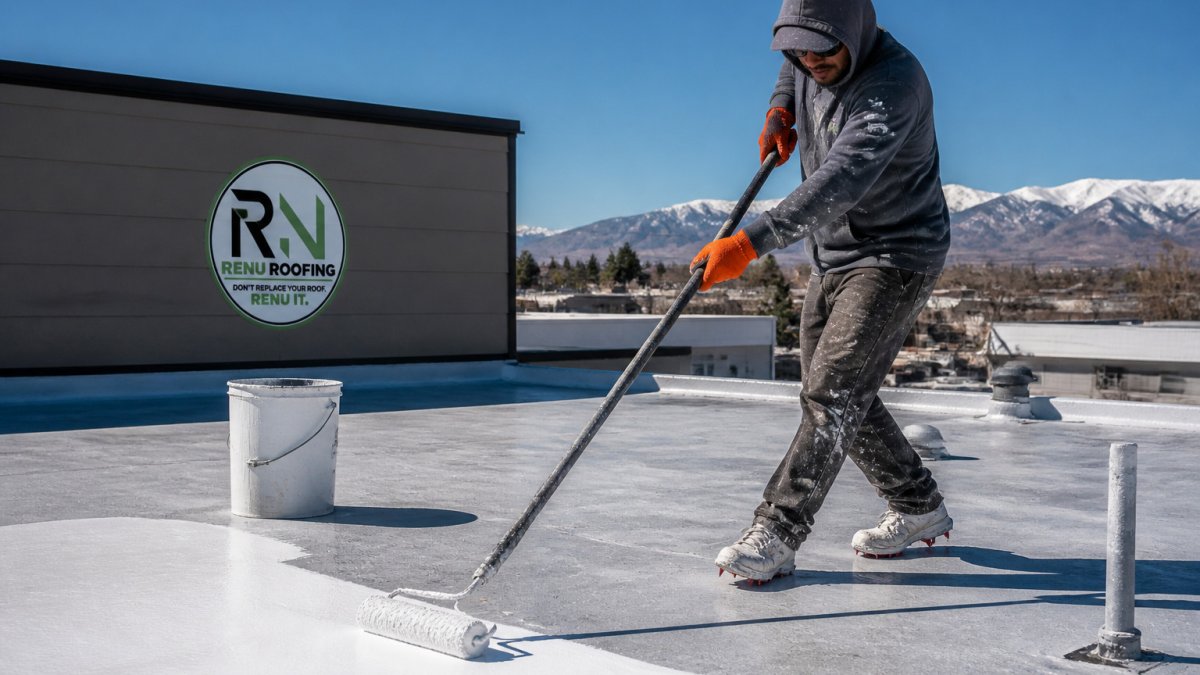
A protective coating adds a seamless layer that shields the membrane from ultraviolet light, heat, and water.
ReNu Roofing applies Gaco roof coatings on flat roofs, which are mainly commercial buildings. Before committing, review our roof coating service in Utah to see how coatings fit your building, and read how roof coating warranty transfers work so you understand the conditions that apply if you sell the property.
Coatings suit flat roofs in good structural condition. A coating will not fix a failing deck or large areas of rot, so have the roof assessed first.
Residential asphalt roofs follow a different path.
The table below summarises which roofs get which treatment and the warranty that applies to each.
| Roof type | Treatment | Warranty |
|---|---|---|
| Flat roofs (mainly commercial) | Gaco roof coating | Up to 20 years |
| Residential asphalt shingle roofs | Roof rejuvenation | 6 years, transferable |
Step 6: Plan Seasonal Maintenance and Snow Management
A flat roof in this region faces four distinct stress seasons, and each one calls for different checks. A calendar tied to local weather beats a generic "inspect twice a year" reminder because it puts the right task in front of you before the damage happens.
Schedule Your FREE Roof Inspection Today →
Seasonal maintenance calendar
Spring (after the last freeze): This is the most important inspection of the year.
Summer (peak heat and UV): Heat and ultraviolet light do the slowest but most persistent damage.
Fall (before the first snow): Clear leaves, dirt, and windblown debris from the surface and especially from drains and scuppers. Confirm downspouts flow freely.
Winter (storms and snow load): After each significant snow event, check for drifting, ice dams at drains, and signs of overload.
Snow management that protects the membrane
Snow removal on a flat roof is a balance between load and damage. Heavy snow should be removed before it reaches the roof's design load, but the removal itself can tear a membrane if done carelessly.
- Use plastic snow rakes and soft tools. Metal shovels, ice picks, and sharp edges cut membranes and open seams.
- Leave a thin layer of snow. Scraping down to the surface risks gouging the membrane; leaving an inch or two is safer than a bare roof with cuts.
- Keep drains and scuppers clear as melt begins. A blocked drain under melting snow is a leading cause of backed-up water and ice at the low point.
- Do not walk on icy or snow-covered roofs. You cannot see the surface, and a fall is far more costly than a delayed inspection.
- Watch for ice dams at drains and edges. Repeated freeze-thaw at a drain can crack flashing and force water under seams.
System-specific care
Not every flat roof membrane wants the same treatment. EPDM, TPO, PVC, modified bitumen, and built-up roofs differ in how they react to cleaners, coatings, and repair materials, and using the wrong product can shorten life rather than extend it. Before applying any cleaner, coating, or patch, confirm the membrane type and follow the manufacturer's compatibility guidance. When in doubt, have a professional identify the system first, the right maintenance for one membrane can be the wrong maintenance for another.
When to call a professional
Seasonal checks are a homeowner or facility task up to a point. Call a qualified roofer when you see ponding that persists after drains are clear, soft or spongy decking, interior leaks, lifted seams, or any damage you cannot safely assess from the ground. Roof access itself is a hazard in wet, icy, or windy conditions, and the cost of a professional inspection is small compared with a fall or a missed leak that spreads through the building.
Booking a Flat Roof Assessment with ReNu Roofing
Extending a flat roof's lifespan starts with knowing its current condition. ReNu Roofing offers roof rejuvenation, repairs, maintenance, and coatings across Utah, and can tell you which approach fits your building.
When you are ready, contact ReNu Roofing to request an inspection or quote. A clear assessment gives you a plan, a timeline, and a realistic picture of how much life your roof has left.
Frequently Asked Questions
How long will a flat roof last?
Service life depends on the roofing system, the climate and how well the roof is maintained. Flat roofs in Utah face wide temperature swings, intense ultraviolet exposure and periods of standing water, which can shorten their life if drainage and surface protection are neglected. Regular inspections, keeping drains clear and fixing small leaks early are the most reliable ways to reach the full expected service life. A roofing professional can assess your specific system and tell you where it stands.
How often should a flat roof be inspected?
Most flat roofs benefit from a professional inspection at least once a year, with an additional check after major storms or heavy snowfall. Between professional visits, property owners can walk the roof safely from the access point and look for ponding water, debris buildup, blistering, cracks or areas where the surface looks worn. Keep a written log of each inspection and any repairs so future service decisions are easier to document and track.
Can a roof coating extend the life of a flat roof?
A properly applied protective coating can extend the life of a flat roof by shielding the membrane from ultraviolet light, heat and weather exposure. Coatings work best on a roof that is in sound condition, so the surface should be cleaned and any leaks or damaged areas repaired first. ReNu Roofing applies Gaco coatings on flat roofs, which are mainly used on commercial buildings. Contact ReNu Roofing for an assessment to find out whether a coating suits your roof.