 blog
Best Time of Year for Roof Maintenance in Utah
Last Updated: November 21, 2026
Quick Summary
Fall is the best time for roof maintenance in Utah, since moderate temperatures let shingles stay workable and sealants cure before the first hard freeze. Spring is best for inspections after winter damage, while winter should be limited to emergencies.
- Plan major maintenance for fall, from September through October along the Wasatch Front.
- Inspect the roof in spring after winter to find lifted shingles and flashing damage.
- Schedule a check after hail, high wind, heavy snow, or monsoon storms.
- Keep inspections on the ground and avoid walking icy, steep, or sagging roofs.
- Residential asphalt roofs get rejuvenation with a 6-year transferable warranty.
Table of Contents
- Why Timing Matters for Roof Maintenance in Utah
- Season-by-Season Comparison: Pros and Cons for Roof Health
- Month-by-Month Utah Roof Maintenance Calendar
- Spring Roof Maintenance After Winter Damage
- Fall Roof Maintenance Checklist Before Winter
- Utah Roof Inspection Checklist and How Often to Inspect a Roof
- Rejuvenation vs. Coatings: Which Fits Your Roof and Warranty
- Scheduling Your Roof Maintenance Visit With ReNu Roofing
- Frequently Asked Questions
Why Timing Matters for Roof Maintenance in Utah
Roof maintenance is most effective when it happens before small problems turn into costly ones. In Utah, that timing depends heavily on the season. Hot summers, freezing winters, and sudden spring storms all put stress on asphalt shingles, and the right window for work changes accordingly. ReNu Roofing works with homeowners and commercial property owners across the state, and a well-timed inspection can help prevent leaks that would otherwise show up after the next storm.
The core issue is that shingles do their best work when they are flexible and sealed. Extreme cold makes them brittle, while intense heat can soften sealant and speed up granule loss. Knowing when your roof is most vulnerable helps you schedule work when conditions support it.
Season-by-Season Comparison: Pros and Cons for Roof Health
Each season offers different advantages and drawbacks for roof maintenance. The table below summarizes how the four seasons compare.
| Season | Main Advantage | Main Drawback | Overall Fit |
|---|---|---|---|
| Spring | Easy to spot winter damage | Storms and wet weather | Strong for inspections |
| Summer | Dry, stable conditions | Heat can soften sealant | Good for repairs |
| Fall | Mild temperatures, settled weather | Shorter daylight hours | Best overall window |
| Winter | Little roofing work done | Cold makes shingles brittle | Limit to emergencies |
Spring offers a clear view of what winter did to your roof. Freeze-thaw cycles can lift shingles and loosen granules. The drawback is that spring rain and wind can delay work and hide problems until they become leaks.
Summer brings dry weather and predictable conditions. However, extreme heat can make shingles soft and difficult to handle, and sealant may not cure well when temperatures climb very high.
Fall is often the most favorable season. Temperatures are moderate, shingles are workable, and sealants can cure properly before cold weather arrives. The main downside is the shorter day, which can make scheduling tighter.
Winter is the least suitable time for most maintenance. Cold temperatures make shingles stiff and prone to cracking, and snow or ice can make the roof unsafe to access. Winter work should generally be limited to emergencies.
Planning major maintenance for fall and inspecting in spring after winter is a common approach for Utah roofs.
Month-by-Month Utah Roof Maintenance Calendar
Utah's climate is not one climate. The Wasatch Front sees freeze-thaw cycles and lake-effect snow, northern valleys hold cold longer, southern Utah swings between hot dry summers and monsoon moisture, and higher elevations can get snow any month of the year. The calendar below is a general guide, but the notes after it explain how to shift timing for your region and roof material.
- January and February: Monitor from the ground for ice dams, sagging, and missing shingles. Do not walk an icy roof. After heavy snow, check that attic ventilation is moving air and that no icicles are forming at the eaves.
- March: Plan the spring inspection. As soon as conditions are safe, check for lifted shingles, granule loss in gutters, and flashing that moved during freeze-thaw cycles.
- April and May: Complete spring repairs, clear debris from valleys and behind chimneys, clean gutters and downspouts, and check flashing around vents, skylights, and chimneys.
- June and July: Good window for repairs in dry weather. Work early in the day; shingles soften in afternoon heat and sealant can skin over before it bonds.
- August: Inspect after monsoon storms and hail. Look for granule loss, dented metal, and lifted seals, and check gutters for shingle debris.
- September and October: The strongest window for major maintenance, including rejuvenation on residential asphalt roofs and coatings on flat commercial roofs. Clear debris and confirm attic ventilation before the first hard freeze.
- November: Clear gutters after leaf drop, confirm downspouts drain away from the foundation, and check that insulation is not blocking soffit vents.
- December: Watch snow loads and ice dams from the ground. Schedule the spring inspection early, since contractor calendars fill quickly after the first storm.
Regional adjustments matter. Along the Wasatch Front, the fall window often runs from mid-September through late October, and spring inspections are best delayed until the last freeze-thaw cycle has passed. In southern Utah, the fall window opens later and spring work can start earlier, but summer heat pushes repair work into morning hours. At higher elevations, the workable season can shrink to late spring through early fall, and snow can return before Halloween.
Material differences also change the calendar. Asphalt shingles need moderate temperatures to seal and stay flexible, so spring and fall are the safest windows. Tile roofs tolerate heat better but are fragile underfoot and need careful walking any time of year. Metal roofs shed snow but are slippery when wet or frosted, and fasteners and sealant washers should be checked before winter.
Watch out: a calendar built for the valley can be wrong for a home at elevation, so treat these months as a starting point and adjust for your local frost dates and snow line.
Spring Roof Maintenance After Winter Damage
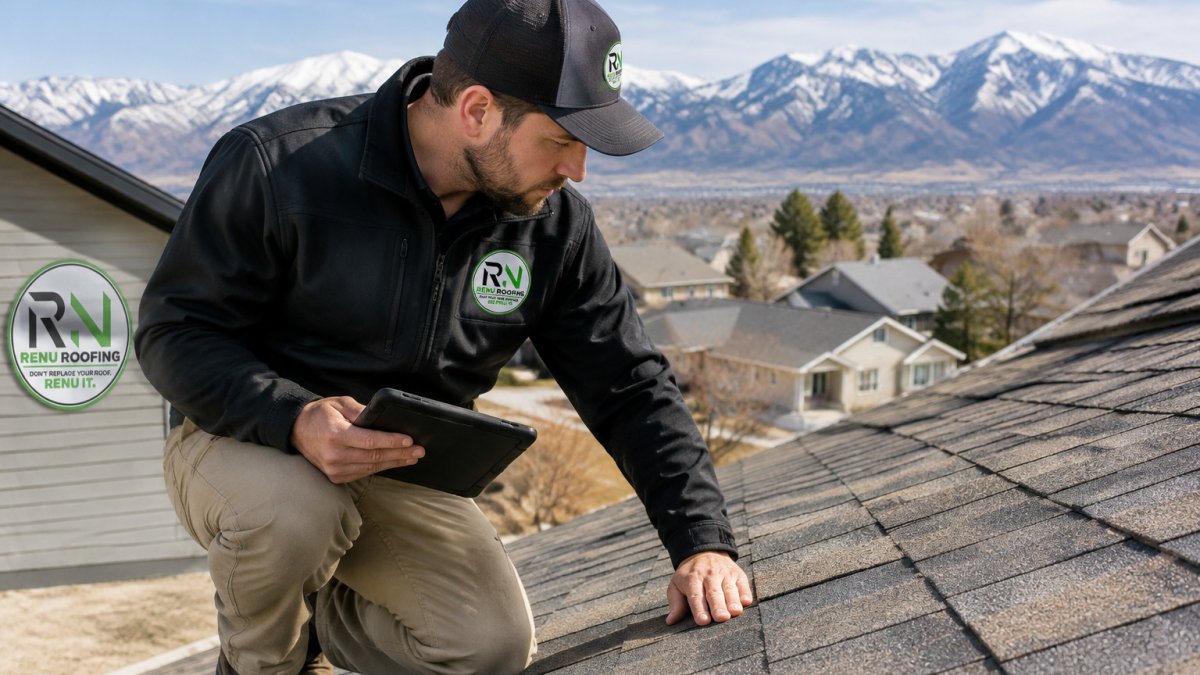
Spring is the time to look for the damage winter leaves behind. Freezing and thawing can crack shingle seals, lift edges, and push granules into gutters. Start by walking the yard and looking up at the roof from ground level. Note any missing shingles, bent flashing, or dark patches.
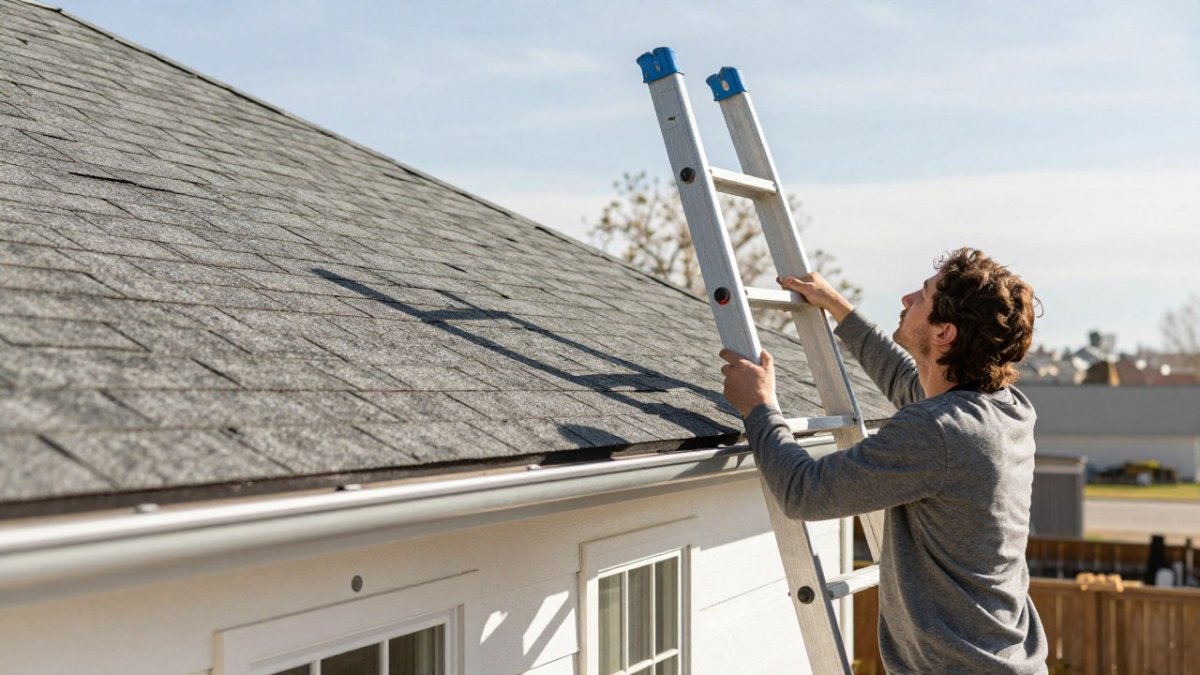
A homeowner in a Utah yard looking up at an asphalt shingle roof on a clear spring morning, with a ladder leaning against the gutter.
Once the weather is safe, check the roof closer. Look for cracked or curled shingles and the bare spots where granules have worn away. Addressing these issues early is generally advisable, since spring rain can turn a small gap into a leak. Light repairs and maintenance can often restore flexibility and seal the roof before summer heat arrives. If you see widespread damage, a professional inspection will give you a clearer picture of the repair options.
Fall Roof Maintenance Checklist Before Winter
Fall is the time to prepare your roof for the cold months ahead. Work through the list below before the first hard freeze.
- Clear leaves and debris from the roof, valleys, and gutters.
- Check that downspouts drain away from the foundation.
- Look for loose or missing shingles and cracked sealant around vents and flashing.
- Confirm attic ventilation is clear and insulation is in place.
- Trim overhanging branches that could drop limbs or debris onto the roof.
- Schedule any repairs or protective work while temperatures are still moderate.
Fall work also gives sealants time to cure before winter. This is why we consider the fall window one of the best times for more involved maintenance.
Utah Roof Inspection Checklist and How Often to Inspect a Roof
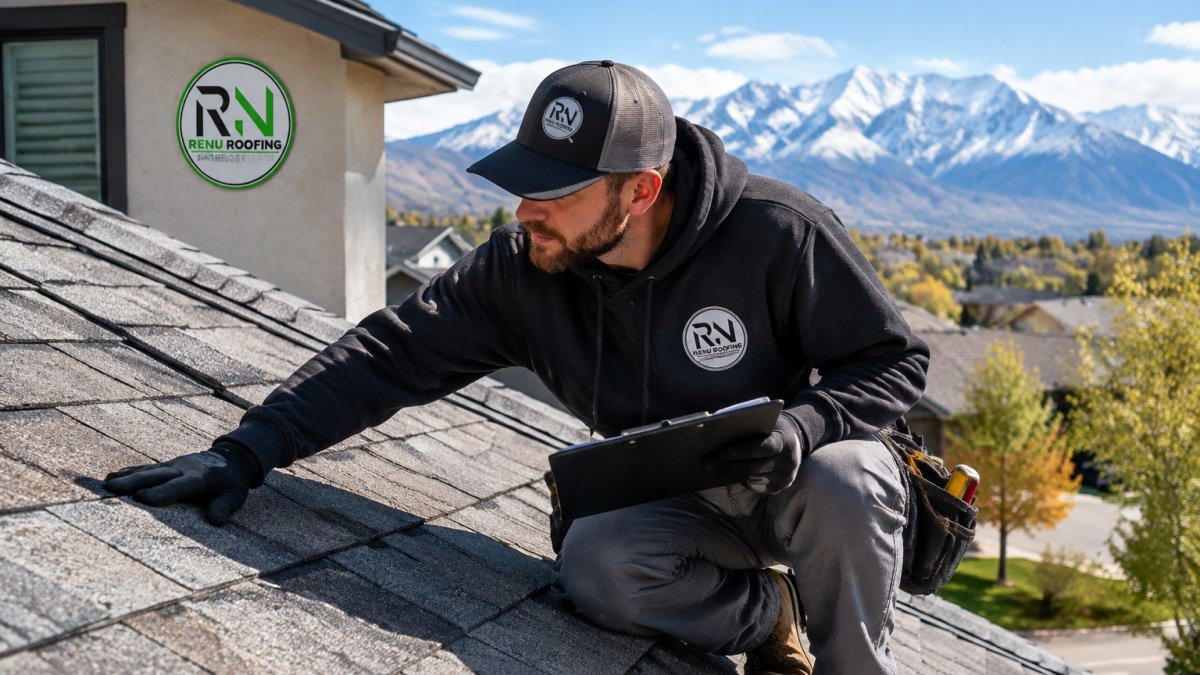
Most roofs benefit from an inspection at least twice a year, once in spring after winter and once in fall before the cold returns. Add an inspection after any major hail, wind, heavy snow, or monsoon event, and after any freeze-thaw stretch that produced ice dams.
Use this checklist during each review:
- Missing, cracked, or curled shingles, especially on south- and west-facing slopes that take the most sun.
- Bald spots or granules collecting in gutters and at downspout outlets.
- Damaged or lifted flashing around chimneys, vents, skylights, and wall intersections.
- Water stains on ceilings, in the attic, or along the top of exterior walls.
- Sagging sections or soft spots on the roof deck.
- Clogged gutters, valleys, and flat-roof drains.
- Attic ventilation: blocked soffit vents, crushed insulation, or condensation on the underside of the roof deck.
Weather-triggered inspections are where most homeowners fall short. After hail, look for dented metal, bruised or soft shingle spots, and granule loss. After high wind, check ridge caps, edge shingles, and any lifted tabs.
Material differences change what you look for. Asphalt shingles show granule loss, curling, and seal failure. Tile roofs can crack or slip out of alignment and need someone who knows how to walk them without breaking tiles.
Safety boundaries matter. Ground-level checks with binoculars from the yard, plus a look from a window or ladder at the eaves, catch most problems.
Granule loss deserves particular attention. You can spot early signs of granule loss before damage spreads. Our guide explains how to prevent asphalt shingle granule loss and when to call a pro.
Watch out: a homeowner who walks an icy or steep roof to "just check one shingle" is the most common source of avoidable injury in roof maintenance, so keep the inspection on the ground and let a professional handle the roof surface.
Rejuvenation vs. Coatings: Which Fits Your Roof and Warranty
Rejuvenation and coatings are different services, and they suit different roofs. The distinction matters for both performance and warranty coverage.
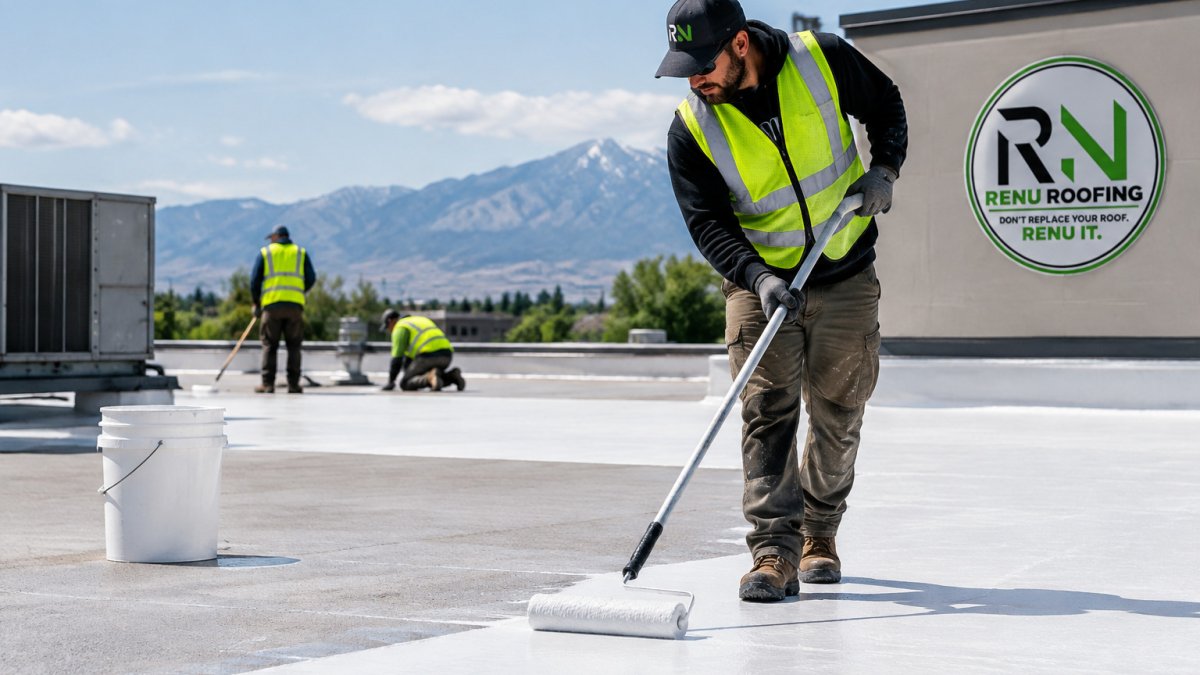
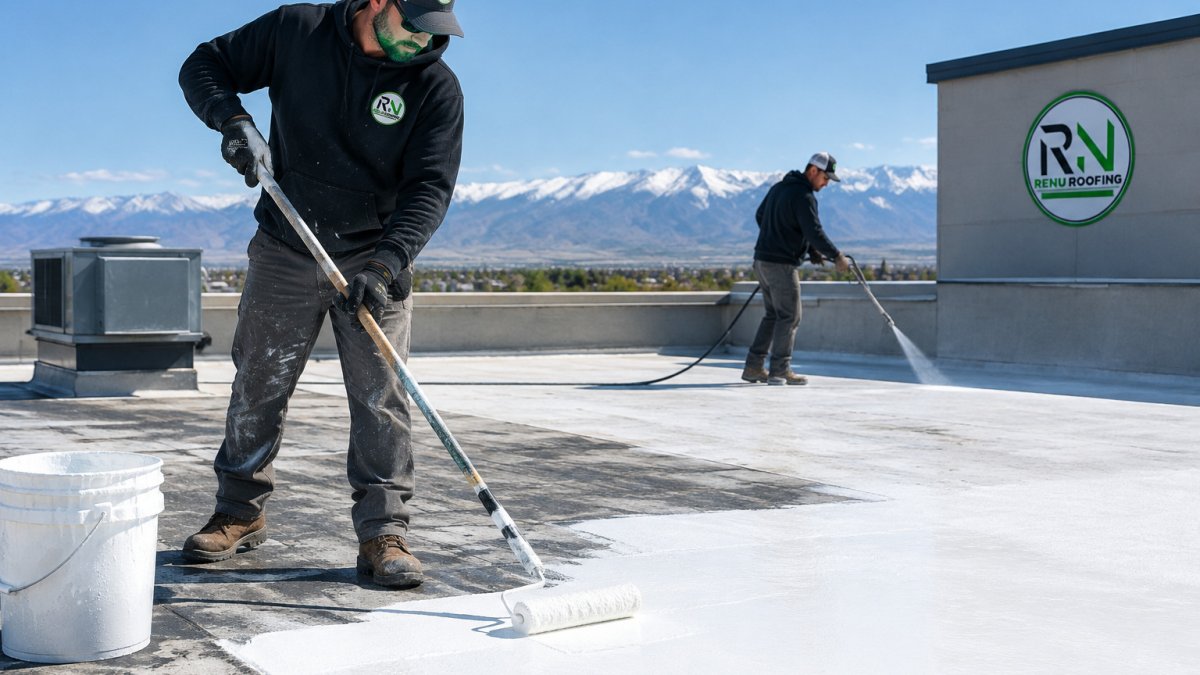
ReNu Roofing uses Gaco roof coatings only on flat roofs, which are most often found on commercial buildings. For residential asphalt shingle roofs, we perform rejuvenation rather than coatings. This approach keeps the warranties clearly separated, as the rejuvenation warranty is 6 years and transferable, while coatings can carry a warranty of up to 20 years.
Rejuvenation restores flexibility and sealing to existing asphalt shingles, which helps reduce granule loss and protect against water intrusion. It comes with a 6-year transferable warranty, so the coverage can follow the property if it is sold.
Coatings create a seamless waterproof barrier on flat roofs and can carry a warranty of up to 20 years. They are designed for low-slope commercial surfaces that need continuous protection from the elements.
In short, if your roof is a sloped residential asphalt shingle roof, rejuvenation is the relevant option. If you manage a flat commercial roof, a Gaco coating may be the better fit. A professional assessment can confirm which path makes sense for your structure.
Scheduling Your Roof Maintenance Visit With ReNu Roofing
The best time to schedule maintenance is before problems become urgent. For most Utah property owners, that means booking an inspection in spring and planning larger work for fall. Early scheduling also gives you more flexibility on dates.
When you contact ReNu Roofing, be ready to describe your roof type, its age, and any leaks or damage you have noticed. That information helps our team recommend the right service, whether that is rejuvenation for a residential asphalt roof or a coating for a flat commercial surface.
Ready to protect your roof before the next season? Inquire now with ReNu Roofing to schedule your inspection.
Frequently Asked Questions
Is spring or fall better for roof maintenance in Utah?
Late spring through early fall is generally the best window for roof maintenance in Utah. Mild temperatures let asphalt shingles and sealants work properly, and crews are easier to schedule. Spring is ideal for checking damage left by winter, while fall is the better time to prepare the roof for snow and freeze-thaw cycles. Pricing depends on the scope of work, the roof type and the timing, so contact ReNu Roofing for a current quote.
Can roof maintenance be done during a Utah winter?
Most roof maintenance is limited in winter because cold temperatures, snow and ice make it hard for shingles and sealants to bond and cure. Emergency repairs such as stopping an active leak can still be needed, and temporary measures may be used until conditions improve. Scheduling planned work for late spring or early fall usually gives better results and avoids weather delays.
How often should a roof be inspected in Utah?
Most homeowners should have a roof inspected at least twice a year, once in spring after winter and once in fall before the snow season. Inspections should also follow major hail, wind or storm events, since these can loosen shingles or damage flashing without obvious signs from the ground. Regular checks help catch small problems before they lead to water intrusion.
What roof problems should you check for after a Utah winter?
After winter, look for missing or lifted shingles, granule loss in gutters, cracked or curled shingles, damaged flashing around vents and chimneys, and signs of water stains in the attic or ceilings. On flat commercial roofs, check for ponding water that lingers after rain. Catching these issues early makes repairs simpler and helps prevent water damage.