 blog
Protective Roof Sealant: Coatings vs Rejuvenation for Utah Roofs
Quick Summary
Protective roof sealant is a coating applied over an existing roof to block water, slow UV damage, and extend the roof's working life. Flat commercial roofs usually suit a full coating system, while residential asphalt shingle roofs are typically treated with rejuvenation instead.
- Flat commercial roofs are the most common candidates for a full coating system.
- ReNu Roofing uses Gaco coating systems on flat roofs, not on residential asphalt shingle roofs.
- Rejuvenation on residential asphalt roofs carries a 6-year transferable warranty.
- Gaco coatings on commercial roofs can carry a warranty of up to 20 years.
- Ponding water must be addressed with drainage fixes, since a coating alone does not solve it.
Table of Contents
- How Protective Roof Sealant Works on Different Roof Types
- Roof Rejuvenation vs Coating: Which Fits Your Roof
- Best Roof Coating for Flat Roofs
- Preparation, Application Conditions, and Curing
- Protective Roof Sealant Cost and Lifecycle Value
- Warranty Terms and Realistic Service Life
- Booking Your Roof Assessment With ReNu Roofing
- Frequently Asked Questions
Protective Roof Sealant: Coatings vs Rejuvenation for Utah Roofs
Last Updated: November 11, 2026
How Protective Roof Sealant Works on Different Roof Types
Protective roof sealant is a coating applied over an existing roof surface to block water, slow UV damage, and extend the working life of the roof underneath. ReNu Roofing applies protective systems in Utah, and we start every project by asking one question: what is the roof made of? The answer decides whether a sealant is the right tool at all.
Flat and low-slope roofs on commercial buildings are the most common candidates for a full coating system. These surfaces hold water when drainage is slow, so a continuous, seamless membrane matters more than appearance. Residential asphalt shingle roofs are different. Shingles shed water by design, and the job there is restoring flexibility and granule protection, not building a new barrier.
Roof Rejuvenation vs Coating: Which Fits Your Roof
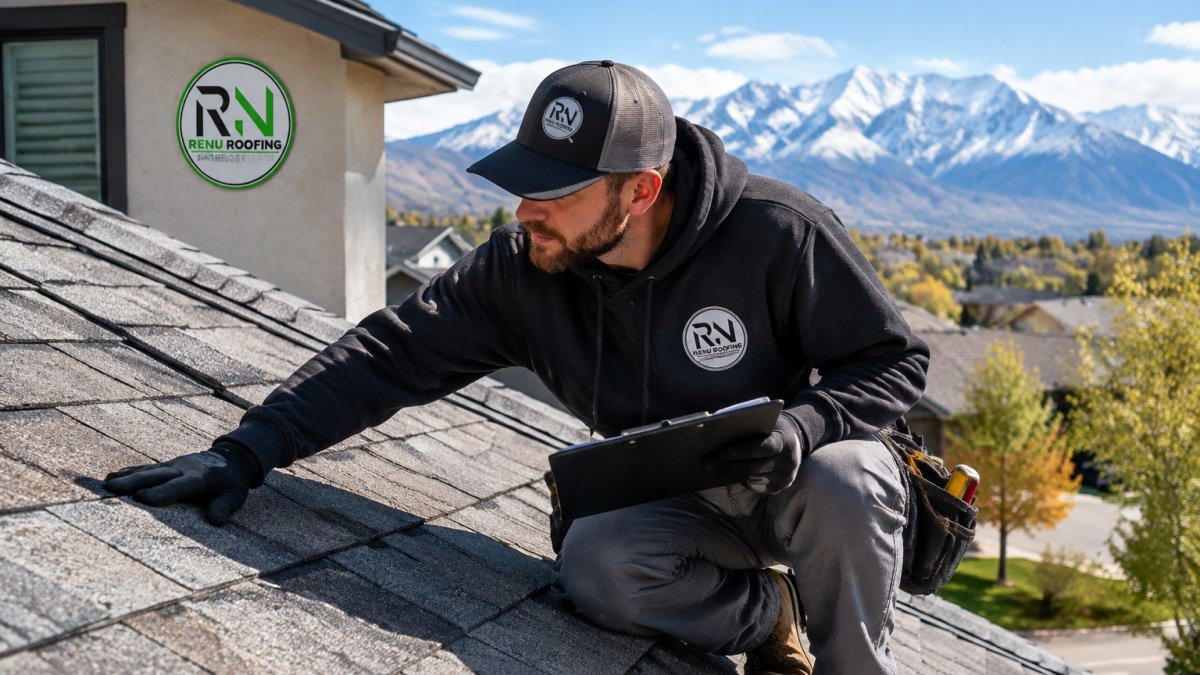
For a residential asphalt roof, rejuvenation is the right path. Rejuvenation treats aging shingles so they regain flexibility and shed water better, and ReNu Roofing backs rejuvenation work with a 6-year transferable warranty. That transferability matters if you plan to sell within a few years.
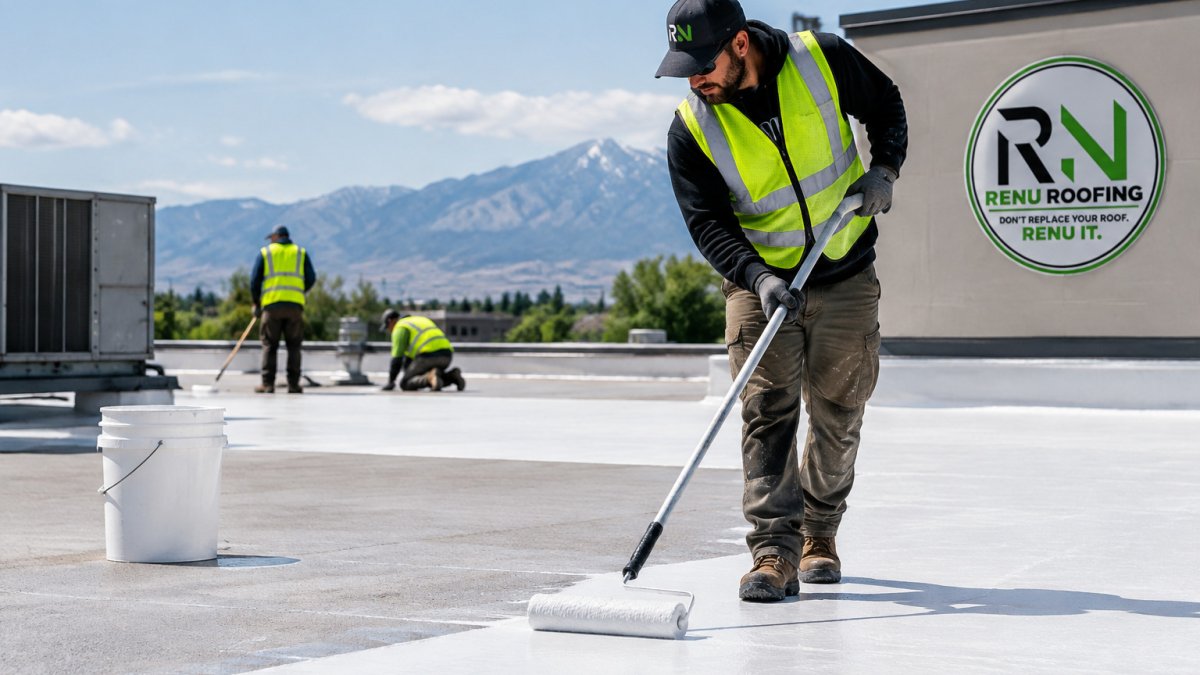
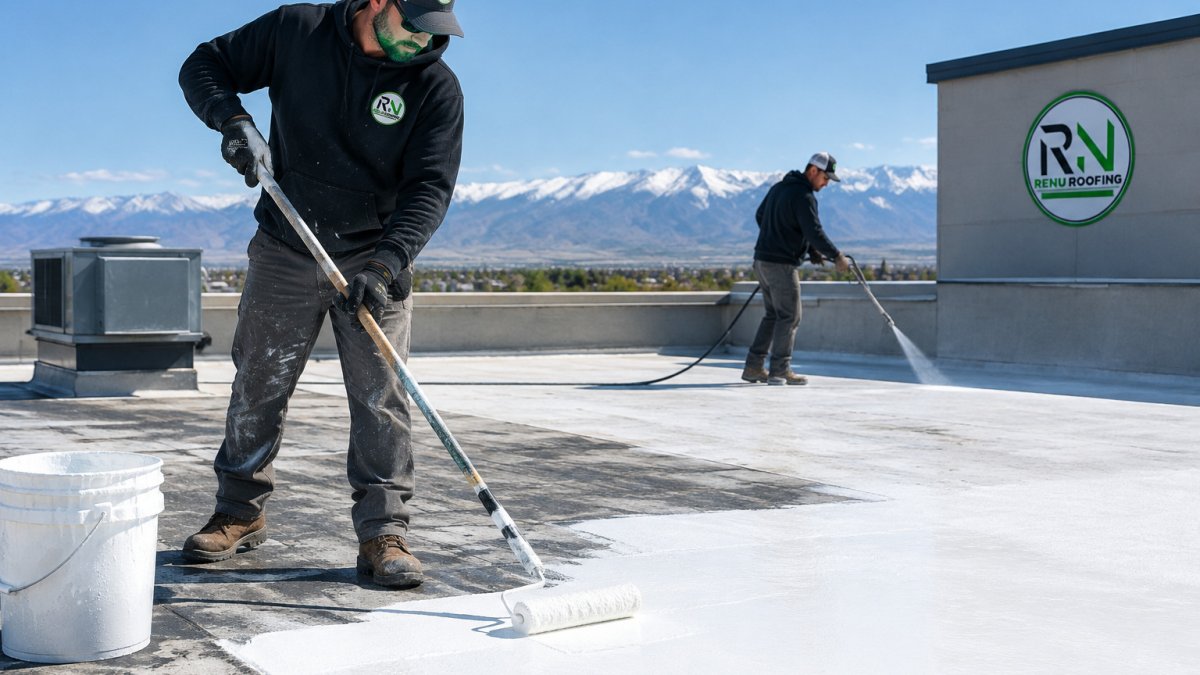
Coatings are used differently. On commercial flat roofs, ReNu Roofing applies Gaco coating systems, and those coatings can carry a warranty of up to 20 years. Keeping the two categories separate is deliberate: rejuvenation warranties and coating warranties cover different work on different surfaces, and mixing them up leads to confusion at claim time.
Ask yourself three quick questions:
- Is the roof a residential asphalt shingle roof or a flat commercial roof?
- Is the goal to restore an aging shingle roof or to waterproof a flat surface?
- How long do you expect to keep the property?
If the roof is a shingle roof, rejuvenation is the fit. If it is a flat commercial roof, a coating system is worth pricing. Many property owners also compare coating against a full replacement, which is a different decision entirely.
Best Roof Coating for Flat Roofs
On flat roofs, the coating choice comes down to surface condition, drainage, and how the roof handles standing water. Gaco coating systems are the option ReNu Roofing uses on flat roofs, and they are applied to commercial buildings rather than residential asphalt shingle roofs.
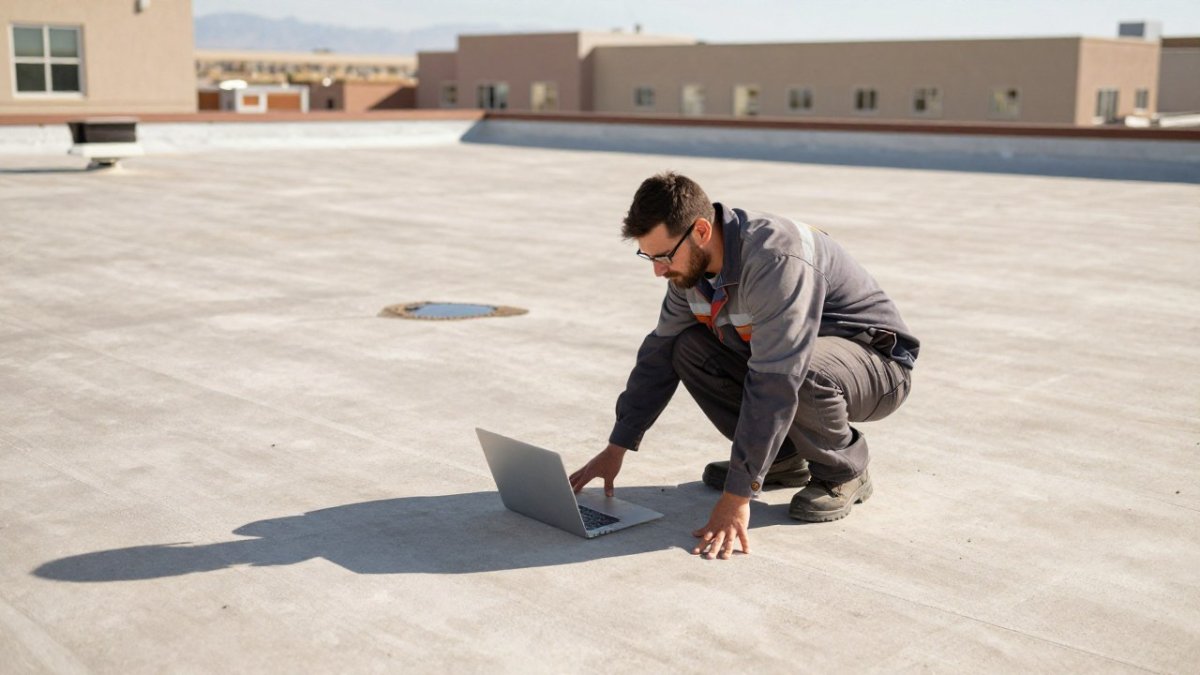
Before a coating goes on, the substrate has to be sound. Loose seams, failed flashing, and blistered areas should be repaired first, because a coating cannot bridge gaps in a deteriorated surface.
Ponding Water and Flat Roof Performance
Ponding water is standing water that stays on a roof for more than a short period after rain. It is the condition that tests a flat roof hardest. Water that sits in one spot accelerates membrane breakdown, and the spots where it collects are usually the first to fail. Our guide to preventing flat roof water damage covers drainage fixes and warning signs to watch for.
A coating helps by creating a continuous waterproof layer, but it does not fix a drainage problem by itself. If water pools every spring, the drains, slopes, and scuppers need attention alongside the coating. Being upfront about this is the best way to avoid disappointment after the work is done.
Preparation, Application Conditions, and Curing
Cure time governs when the roof can take foot traffic, rain, and equipment. Light traffic is usually allowed sooner than full water exposure, and both depend on the product, temperature, and film thickness. A coating that is cured too little can soften, pick up debris, or be damaged by the first rain. Plan the cure window with the installer, record the start and end times, and keep the roof closed to traffic until the data sheet's conditions are met.
Protective Roof Sealant Cost and Lifecycle Value
The upfront quote for a roof sealant project depends on several variables, including roof area, current condition, the amount of repair needed, and the scope of work. Pricing depends on these factors, so ReNu Roofing recommends requesting a written quote from its website for current pricing.
For a residential asphalt roof, the comparison is between rejuvenation and replacement, while for a flat commercial roof it is between coating and replacement or repair. Current prices depend on each roof's condition and scope, so request a written quote through ReNu Roofing's website.
Warranty Terms and Realistic Service Life
Warranty terms differ between rejuvenation and coating work, and they should be read carefully. ReNu Roofing offers a 6-year transferable warranty on rejuvenation services and coverage of up to 20 years on coating systems. Those figures are the warranty terms, not a guarantee that every roof will reach the maximum length of coverage.
Service life depends on the roof's starting condition, the climate, and how well the system is maintained. Sun, temperature swings, and hail can all shorten a system's life, so routine inspection matters. Ask for the written warranty terms and what conditions apply before you sign.
If you plan to sell the property, check whether the warranty transfers and what paperwork is needed. A rejuvenation warranty that transfers can be a selling point for the next owner.
The article's warranty figures for each service are summarised below.
| Service | Surface | Warranty |
|---|---|---|
| Rejuvenation | Residential asphalt shingle roofs | 6-year transferable warranty |
| Gaco coating systems | Flat commercial roofs | Up to 20 years |
Booking Your Roof Assessment With ReNu Roofing
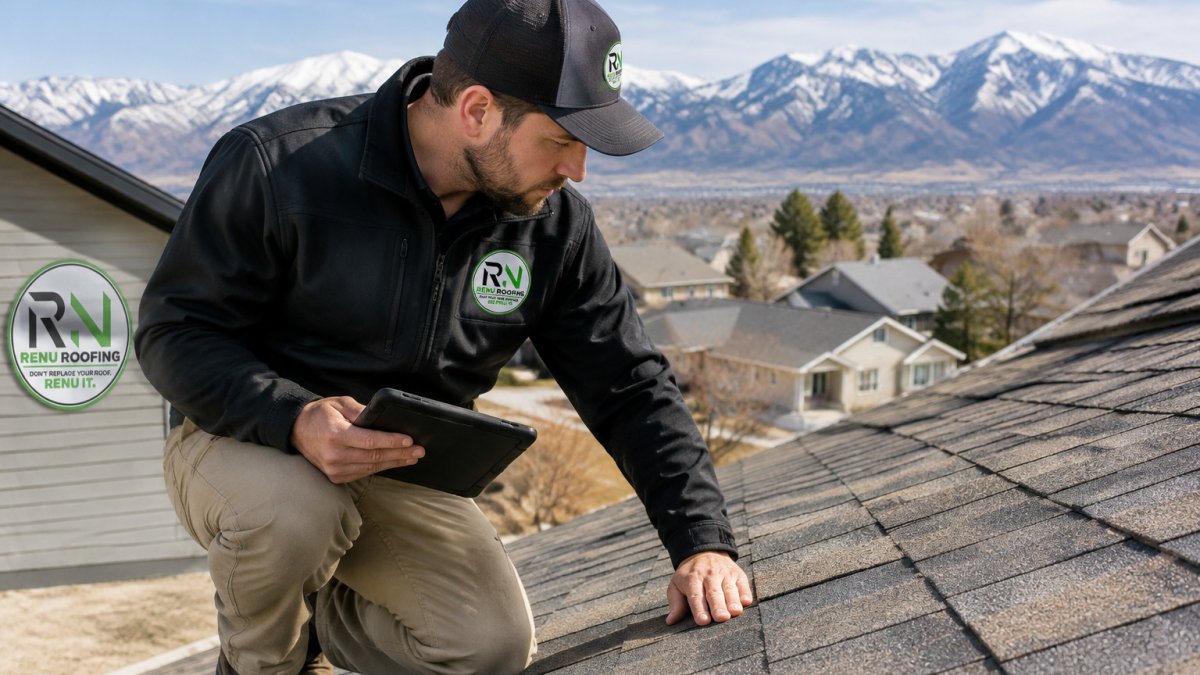
If you are unsure whether your roof needs rejuvenation, a coating, or repair, the next step is a site assessment. ReNu Roofing can inspect the roof, explain which system fits its condition, and provide a written quote. You can request a roof rejuvenation quote online for a residential asphalt roof, or contact ReNu Roofing to arrange an assessment.
Frequently Asked Questions
How long does protective roof sealant typically last?
Service life depends on the product, the roof type, and the condition of the surface underneath. ReNu Roofing offers a 6-year transferable warranty on roof rejuvenation and a warranty of up to 20 years on its coatings, which are applied to flat roofs. Warranty terms are the clearest guide to expected performance, so review the written terms with your contractor before you decide. For current warranty details and a plan matched to your roof, contact ReNu Roofing through its website.
What is the best leak-proof sealant for a roof?
No sealant is leak-proof on a roof that has structural damage, failed flashing, or open seams, so the first step is an inspection to find the source of the leak. On flat commercial roofs, a fully adhered protective coating can seal the surface when it is prepared and applied correctly. On residential asphalt shingle roofs, ReNu Roofing uses rejuvenation rather than coatings, and it is not a substitute for repairing damaged flashing or missing shingles.
What are the downsides of using silicone roof coating?
Silicone coatings can perform well in sun and heat, but they have trade-offs. They generally need a dry, clean surface for adhesion, and their performance depends on the roof surface and conditions at application. Compatibility matters, so it is worth confirming how any product will bond to the existing surface. Ask any provider how the coating will bond to your existing surface and what preparation is required.
Can a protective coating stop water that is already getting in?
A coating can seal a surface that has minor weathering and small areas of wear, but it cannot fix rotted decking, open seams, or failed flashing. If water is entering the structure, those problems need repair first. ReNu Roofing offers roof repair and roof patching alongside its coating and rejuvenation services, and an assessment can separate a surface problem from a structural one.