 blog
7 Ways to Extend the Life of Your Commercial Roof
Quick Summary
To extend the life of a commercial roof, schedule professional inspections at least twice a year and after major storms, keep drains and scuppers clear, and remove debris and standing water. Address leaks early, keep a written maintenance log, and consider a protective coating on flat roofs.
- Schedule professional roof inspections in spring and fall, plus after any major storm.
- Clear roof drains, scuppers, and gutters at least seasonally so water does not pond.
- Address small cracks, split seams, and leaks early, before water spreads into insulation.
- Keep a roof-specific maintenance log, since warranty claims often require maintenance records.
- Coatings are used only on flat commercial roofs; Gaco coatings can carry warranties up to 20 years.
Table of Contents
- 7 Ways to Extend the Life of Your Commercial Roof
- Why Flat Commercial Roofs Wear Out Faster Than They Should
- 1. Schedule Regular Professional Roof Inspections
- 2. Keep Drains, Gutters, and Drainage Paths Clear
- 3. Remove Debris, Moss, and Standing Water
- 4. Address Leaks and Minor Damage Before They Spread
- 5. Build a Roof-Specific Maintenance Plan and Log
- 6. Apply a Protective Coating to Flat Roofs
- 7. Prioritize Repairs by Risk and Plan Seasonal Checks
- Residential Roofs: Rejuvenation Instead of Coatings
- Frequently Asked Questions
7 Ways to Extend the Life of Your Commercial Roof
Last Updated: November 12, 2026
Why Flat Commercial Roofs Wear Out Faster Than They Should
Flat commercial roofs rarely fail all at once. Water finds a low spot, sits there, and slowly works into seams and flashing. Most owners only notice when a ceiling stain appears inside the building. Small problems left alone on flat commercial roofs often turn into costly ones.
A commercial roof does not have a steep slope to shed water. Rain, snowmelt, and debris collect in low areas, and that standing water speeds up wear on the membrane. Freeze-thaw cycles, strong sun, and wind add stress on top of that.
The good news is that a few steady habits can add years to the roof. Here are seven ways to extend the life of your commercial roof, starting with the one most owners skip.
1. Schedule Regular Professional Roof Inspections
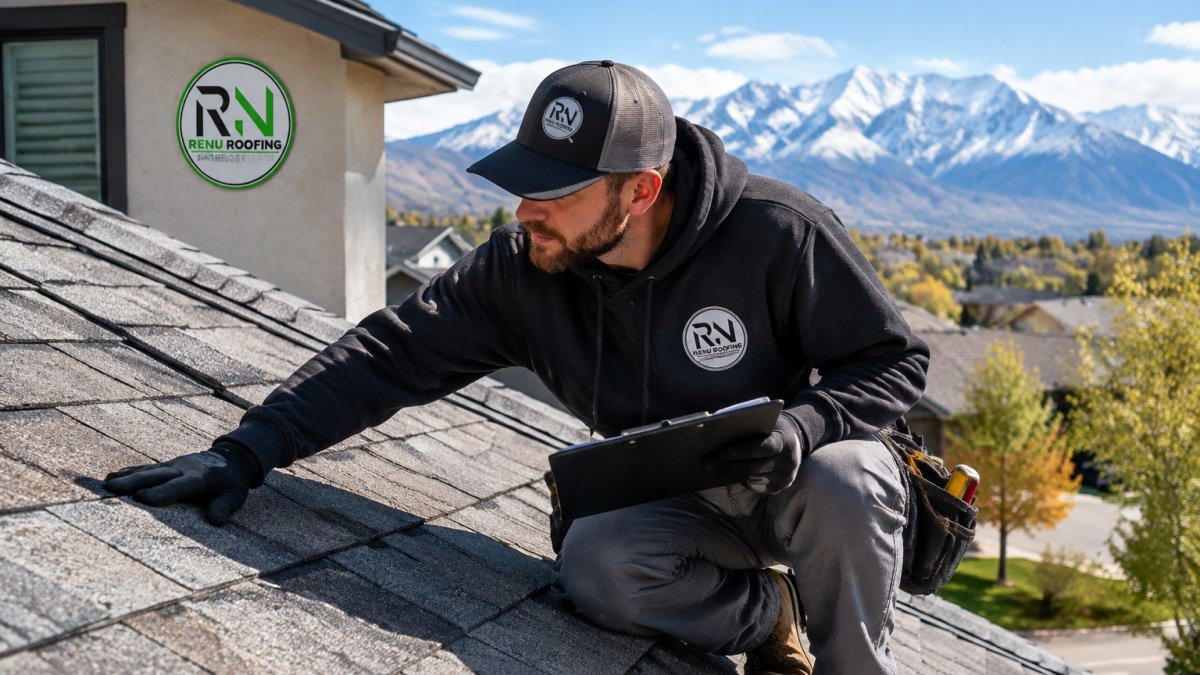
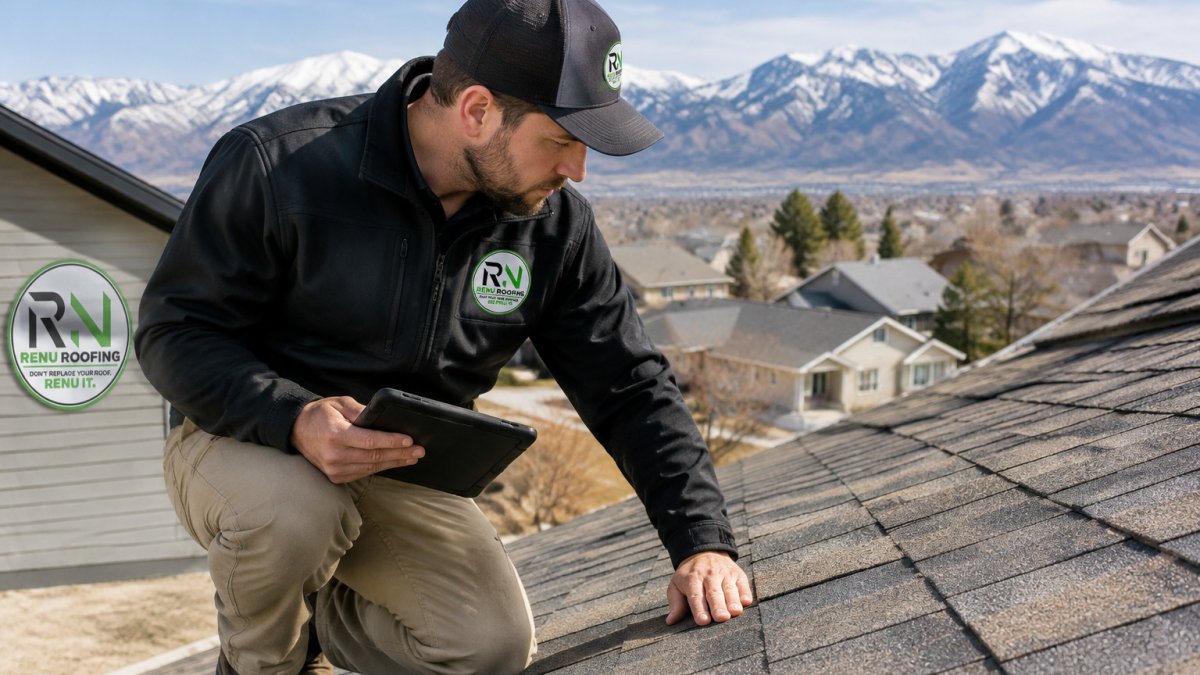
A professional inspection catches problems while they are still small. Roofing guidance commonly recommends inspecting at least twice a year, once in spring and once in fall, plus after any major storm. The timing matters as much as the frequency: a spring visit catches winter damage before summer heat bakes it in, and a fall visit confirms the roof is ready for snow and freeze-thaw cycles.

What a Thorough Inspection Covers
A good inspection looks at more than the surface. The technician should check:
- Membrane condition, including cracks, blisters, and soft spots
- Seams, flashing, and edges around rooftop units
- Drains, scuppers, and any spots where water pools
- Signs of foot traffic damage or punctures
- Interior ceilings and walls below the roof for water staining
Ask for written notes or photos after each visit. Those records help you track changes over time.
Seasonal and Severe-Weather Checklist
Treat the inspection calendar as four checkpoints rather than two:
- Before winter: confirm drains and scuppers are clear, check that snow will not pile against penetrations, and look for sealant that has cracked going into freeze-thaw season.
- After winter: look for split seams, lifted flashing, and ponding left behind by snowmelt.
- Before summer: check reflective surfaces and coating wear, since UV and heat stress peak in midsummer.
- After any major storm: inspect for wind-lifted membrane, hail bruising, and debris impact, even if no leak is visible from inside.
A common pattern is that storm damage hides in seams and flashing and only shows up as an interior stain weeks later. A post-storm walk-through shortens that lag.
What Building Staff Can Check From the Ground
Not every check requires roof access. From the ground or from a safe interior vantage point, staff can note:
- Ceiling stains, damp spots, or musty smells on upper floors
- Visible ponding on the roof edge or at scuppers
- Debris piles, tree limbs, or damaged rooftop equipment visible from below
- Loose flashing or membrane edges visible at parapets
Anything that requires walking the surface, opening seams, or climbing should go to a qualified professional. Roof work carries real fall risks, and staff should not access the roof without proper training and fall protection. Any repair that requires climbing or walking on the surface should be handled by a qualified contractor.
Watch out: a clean bill of health from the ground is not the same as a roof-level inspection, ground checks supplement professional visits, they do not replace them.
2. Keep Drains, Gutters, and Drainage Paths Clear
Clogged drains are one of the fastest ways to shorten a flat roof's life. When water cannot leave the roof, it ponds, and ponding water pushes on seams and fasteners day after day.
- Clear roof drains and scuppers at least seasonally
- Remove leaves, grit, and trash from gutter lines
- Check that overflow outlets are open and working
- Look for water marks that show where water sits too long
3. Remove Debris, Moss, and Standing Water
Dirt, leaves, and moss hold moisture against the roof surface. Over time, that moisture breaks down the membrane and creates a home for more growth.
Brush or blow off debris on a regular schedule. Trim nearby tree branches so they do not drop leaves or scrape the surface during wind. If water stands more than a day or two after rain, note the spot and have it evaluated. Fixing the slope or drain at that spot often does more good than any surface treatment.
4. Address Leaks and Minor Damage Before They Spread
A small crack or split seam is far cheaper to fix today than after it has soaked the insulation below. Water damage inside the roof assembly can spread well past the visible spot.
Common warning signs include:
- Ceiling stains or damp spots inside the building
- Bubbling or soft areas on the roof surface
- Cracked or lifted seams around penetrations
- Musty smells in upper floors
Fixing a leak early usually costs far less than replacing wet insulation and damaged decking later.
5. Build a Roof-Specific Maintenance Plan and Log
Every roof system is different. A modified bitumen roof needs different care than a single-ply membrane or a coated metal roof. A written plan tailored to your roof type keeps maintenance consistent, even when property staff change. This is the step most owners skip, and it is the one that separates a roof that reaches its expected service life from one that fails early.
How Care Differs by Roof System
- Single-ply membranes (TPO, EPDM, PVC): focus on seam integrity, fastener back-out, and punctures from foot traffic. Seams and terminations are the usual failure points, so inspections should probe them directly rather than just scanning the field.
- Built-up and modified bitumen: focus on surface wear, blistering, and flashing at penetrations. These systems tolerate foot traffic less gracefully, so limit unnecessary roof access and keep walkway pads in place.
- Metal roofs: focus on fastener tightness, sealant at laps and penetrations, and coating or finish wear. Fastener back-out and corrosion at cut edges are the recurring issues.
- Coated flat roofs: focus on coating thickness, chalking, and re-coating intervals. Coating warranties often depend on documented maintenance, so the log matters more here than on any other system.
A plan that treats all commercial roofs alike will miss the failure mode specific to your system.
What the Maintenance Log Should Record
Your maintenance log should record:
- Inspection dates and who performed them
- Repairs made, with photos and the product or material used
- Storm events and any observed damage afterward
- Warranty details and renewal dates
- Recurring problem spots, so a leak that returns every spring is flagged as a pattern rather than treated as a new issue each time
Why the Log Pays Off
Keeping this log makes it easier to show a buyer, lender, or insurer that the roof has been cared for. It also supports warranty claims: manufacturers and contractors commonly ask for maintenance records before honoring a claim, and a missing log is one of the most common reasons a valid claim gets disputed. When you sell the building, a documented maintenance history is also a negotiating asset.
Watch out: a log kept only in someone's head leaves with that person, record it in a shared file so it survives staff turnover.
6. Apply a Protective Coating to Flat Roofs
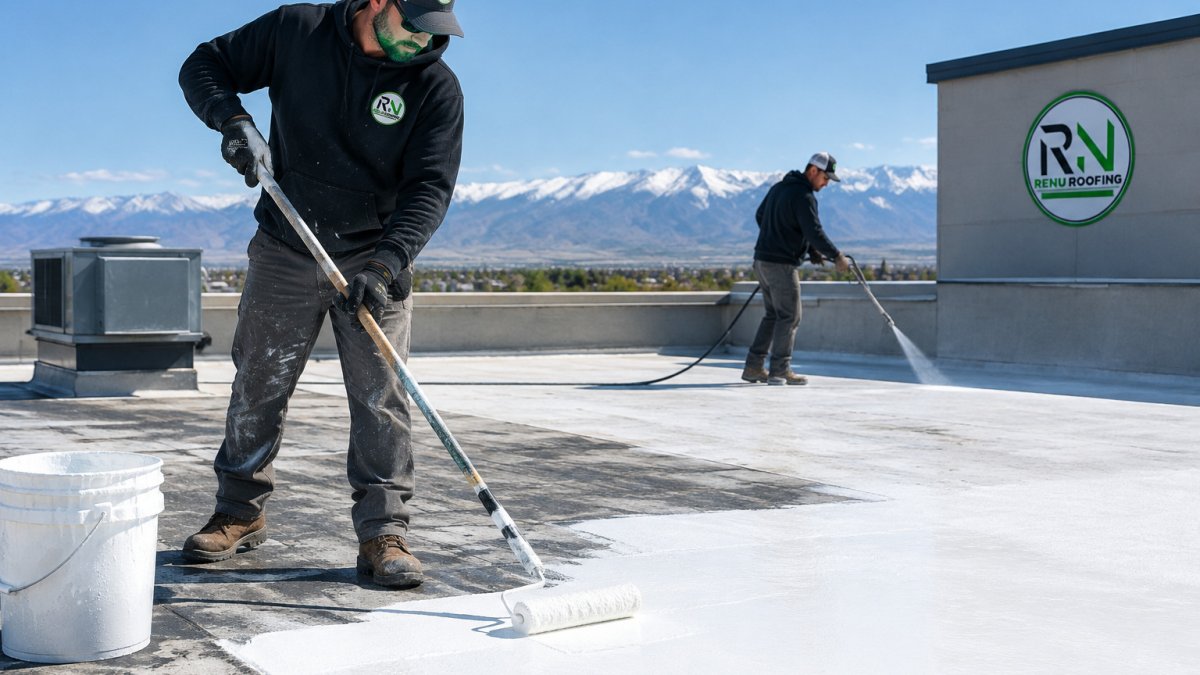
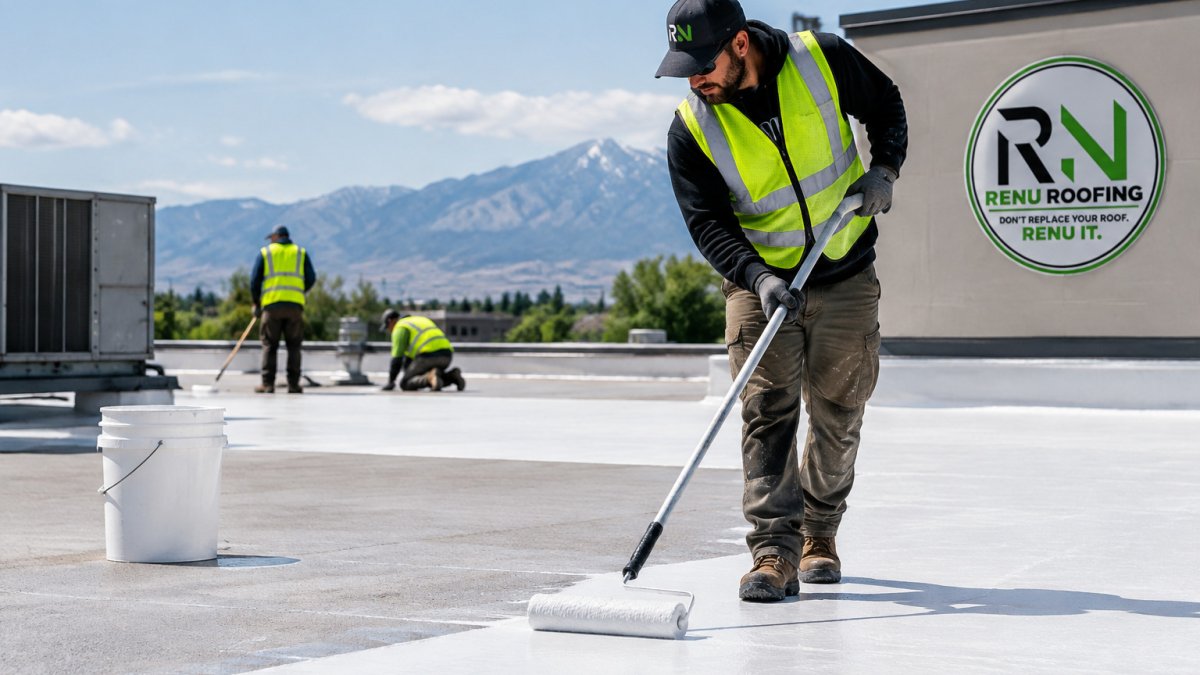
For many flat commercial roofs, a protective coating can help extend service life. A coating seals the surface and helps protect the roof from water.
ReNu Roofing uses Gaco roof coatings, and we apply them only on flat roofs, which means mainly commercial buildings. Coatings can help with:
- Sealing small surface cracks and weathered areas
- Resisting UV damage and surface wear
Coatings are used on commercial flat roofs. They are not used on residential asphalt shingle roofs. For those, our approach is roof rejuvenation.
Warranty terms are separate for each service. Coating warranties can run up to 20 years. Ask your contractor for the warranty terms in writing, including transfer rules if you plan to sell the building. Pricing depends on roof size, condition, and the scope of work, so contact ReNu Roofing for a quote tailored to your building. You can learn more about our flat roof coating service to see how it fits your property.
Here is how the coating and rejuvenation options compare at a glance.
| Option | Used on | Warranty |
|---|---|---|
| Gaco roof coating | Flat roofs, mainly commercial buildings | Up to 20 years |
| Roof rejuvenation | Residential asphalt shingle roofs | 6 years, transferable |
7. Prioritize Repairs by Risk and Plan Seasonal Checks
Not every repair is equally urgent. A good plan ranks problems by risk so the most dangerous ones get fixed first.
- High priority: active leaks, ponding that damages seams, and damage over occupied space
- Medium priority: worn sealant, minor blisters, and failing flashing that has not yet leaked
- Lower priority: cosmetic wear and minor debris buildup
Plan seasonal checks before winter snow and spring storms, and again after heavy summer heat. Before winter, confirm drains are clear and that snow will not sit on the roof. After storms, walk the roof or have it inspected.
Safety matters too. Roof work carries real fall risks. Building staff should not walk the roof alone or access it without proper training and fall protection. Use a qualified professional for any repair that requires climbing or walking on the surface.
Contact ReNu Roofing to schedule a roof inspection and get a clear plan for your building.
Residential Roofs: Rejuvenation Instead of Coatings
Owners of residential asphalt shingle roofs have different options. ReNu Roofing does not apply coatings to residential asphalt roofs. Instead, we use roof rejuvenation, which restores flexibility to aging shingles and helps reduce granule loss. Rejuvenation is backed by a 6-year transferable warranty.
Rejuvenation can be a cost-effective alternative to full replacement for shingles that still have useful life left. A roofer should inspect the shingles first to confirm whether rejuvenation fits your situation.
Frequently Asked Questions
What can I do to extend the life of my roof?
Start with consistent upkeep: inspect the roof regularly, keep drains and gutters clear, remove debris and standing water, and repair small leaks promptly. On flat commercial roofs, a protective coating from a qualified contractor can also add years of service. Keep a written log of every inspection and repair, since that record helps you spot patterns early and supports warranty claims. Pricing for any service depends on roof size, access, and condition, so request a written quote from ReNu Roofing on the website for current figures.
How often should a commercial roof be inspected?
Most building owners inspect a commercial roof at least twice a year, typically in spring and fall, with additional checks after severe storms, hail, or heavy snow. Inspections should look at the membrane or coating surface, seams, flashings, penetrations, drains, and any areas where water collects. Recording findings with dates and photos makes it easier to track changes between visits and prioritize repairs before minor issues become costly leaks.
Can roof coatings extend the life of a commercial roof?
ReNu Roofing applies Gaco coatings on flat commercial roofs only, not on residential asphalt roofs. ReNu Roofing applies Gaco coatings on flat roofs only, and coated flat roofs can carry a warranty of up to 20 years. Coverage terms vary by project, so review the warranty details with the contractor before work begins.
What maintenance does a flat commercial roof need?
A flat commercial roof needs routine inspections, regular drain and gutter clearing, debris and moss removal, prompt sealing of cracks and penetrations, and attention to areas where water pools after rain. Staff who access the roof should follow basic safety practices, and maintenance should be scheduled by a qualified roofing professional for any work that involves membrane repair or coating. Keeping these tasks on a documented schedule helps protect both the roof and the building's interior.