 How-to
How to Prepare Your Roof for Winter: A Homeowner's Guide
Table of Contents
- Your Winter Roof Prep Checklist
- How to Prepare Your Roof for Winter with Ice Dam Prevention
- The Professional Roof Rejuvenation Benefits for Winter
- Frequently Asked Questions
Last Updated: September 16, 2026
Your Winter Roof Prep Checklist
Learning how to prepare your roof for winter starts with one honest walk-around before the first hard freeze. At ReNu Roofing, most winter roof failures trace back to a twenty-minute October task.
Here is the checklist we run through on aging asphalt shingle roofs.
| Task | Frequency | Why It Matters |
|---|---|---|
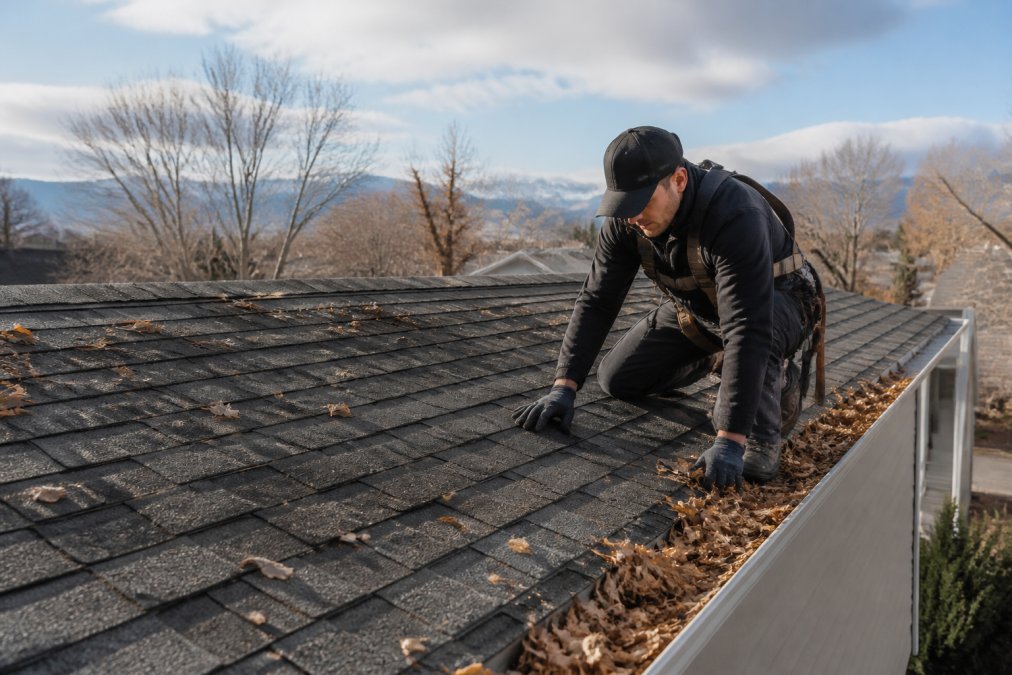
| Clean gutters and downspouts | Twice each fall | Clogged gutters push meltwater under the roof edge |
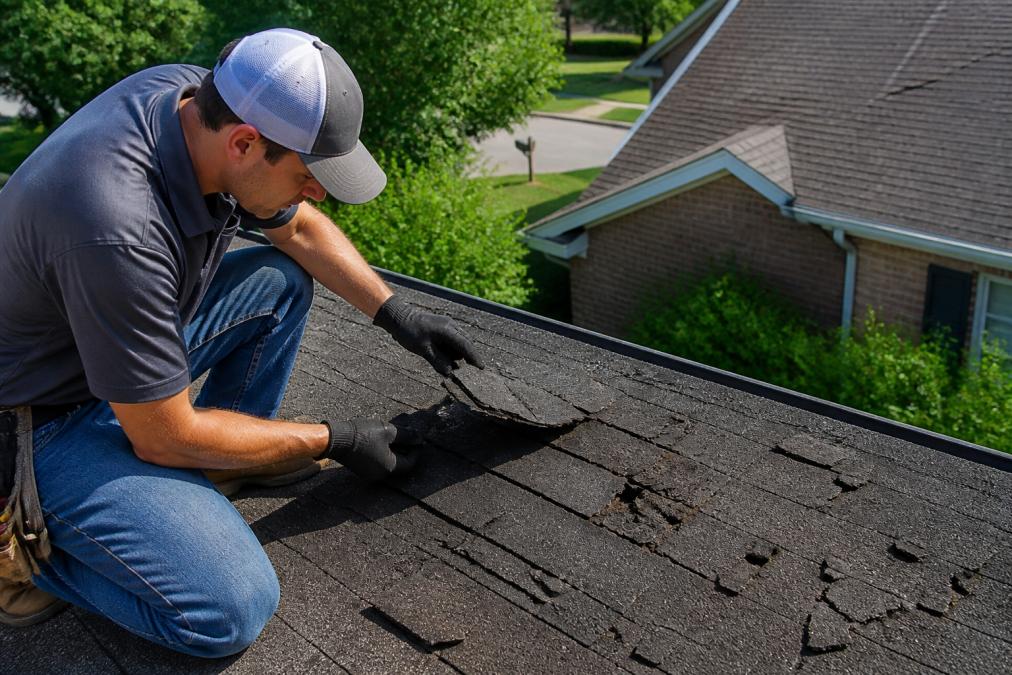
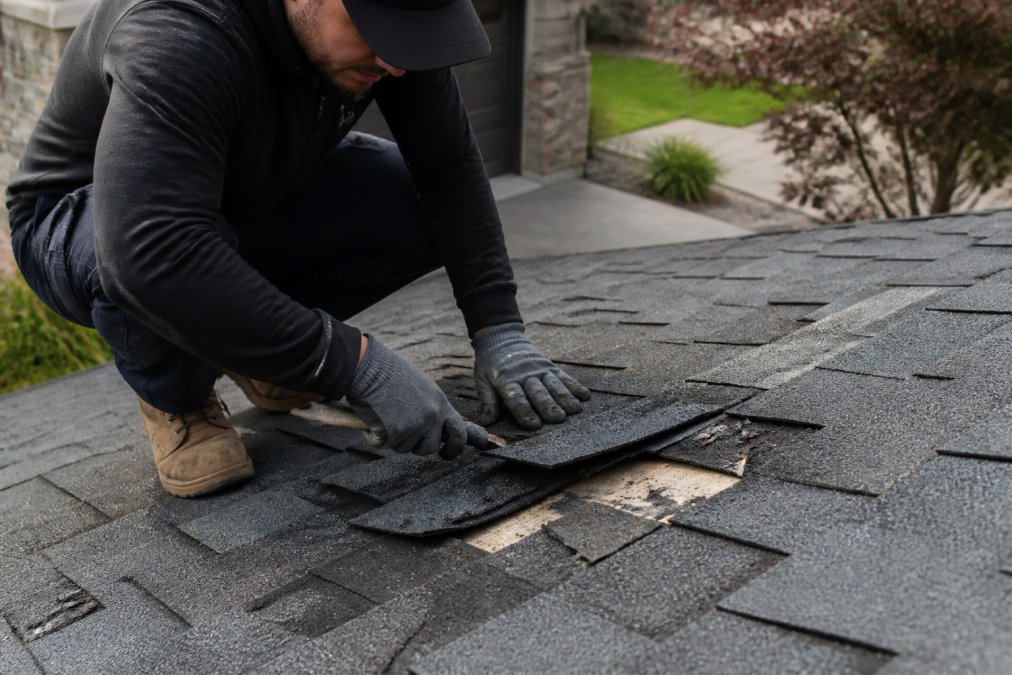
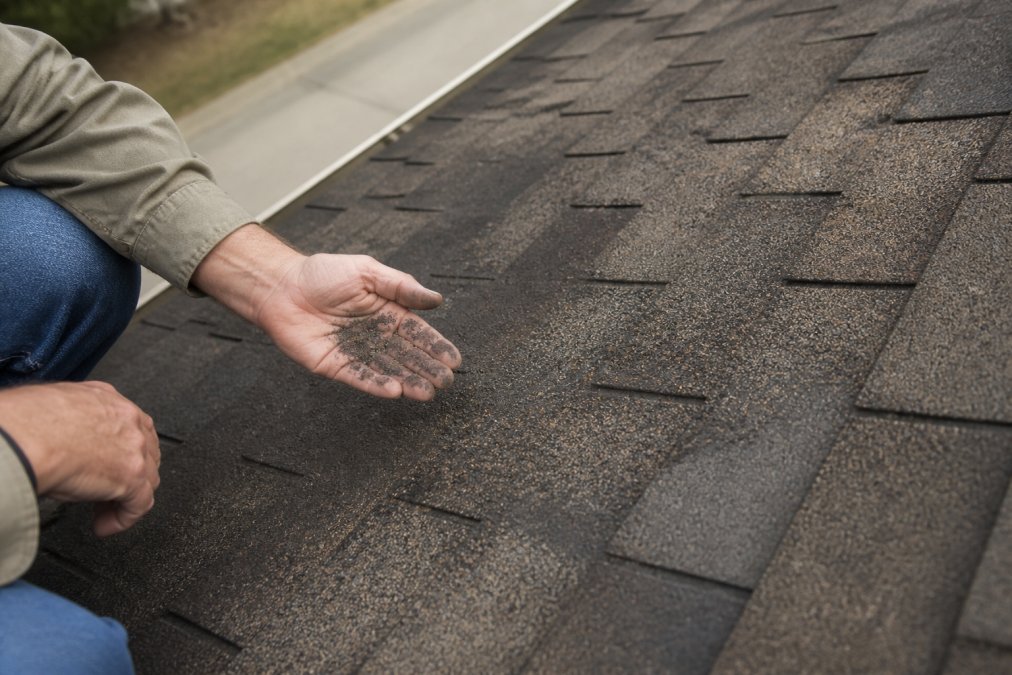
| Inspect for damage | Once before winter | Catches shingle curling and missing granules early |
| Check attic insulation and ventilation | Annually | Stops moisture buildup and condensation |
| Trim overhanging branches | Before first snow | Prevents debris and branch damage under snow load |
| Seal flashing and penetrations | Every fall | Stops leaks at the most common failure points |
| Check snow guards and drainage | Before freeze | Manages snow load and ponding water |
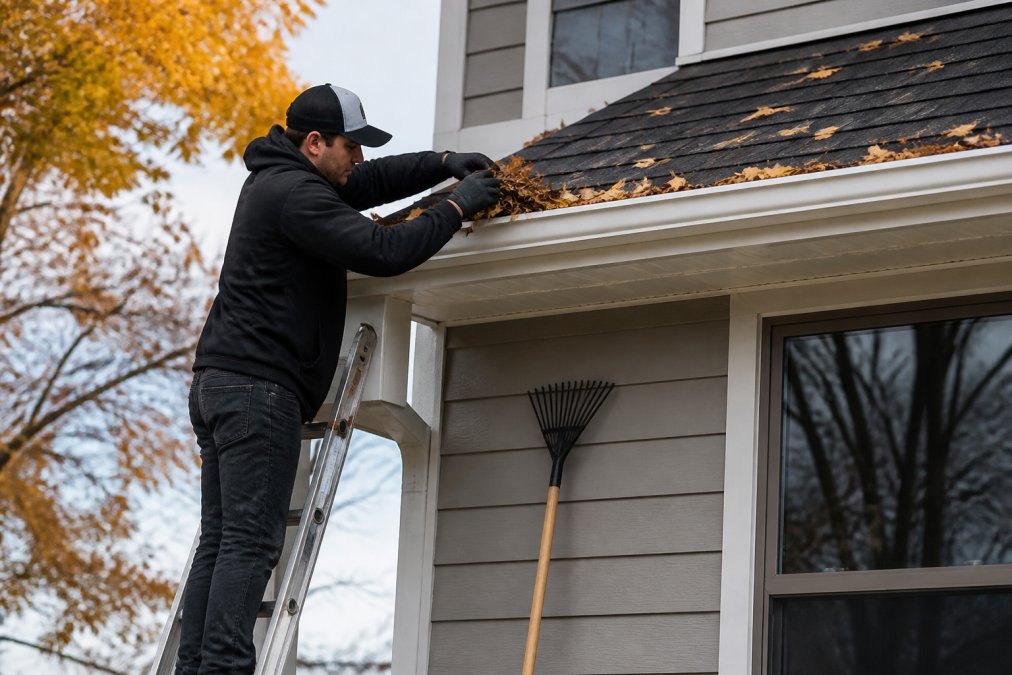
Gutter cleaning tops the list, because ice dams almost always begin with water that had nowhere to go. Roof inspection comes second: look for shingle curling, missing granules, cracked flashing, and soft spots. Attic insulation and ventilation matter too, since warm air escaping a poorly insulated ceiling melts snow that refreezes at the eaves.
Trim branches within a few feet of the roof to keep gutters flowing and remove limbs that snap under snow load.
How to Prepare Your Roof for Winter with Ice Dam Prevention
Ice dams form when heat escaping through the attic melts snow on the upper roof, and that meltwater refreezes at the cold eaves, backing water up under the shingles. Roof ice dam prevention is really attic management: keep the roof deck cold and uniform.
Schedule Your FREE Roof Inspection Today →
Three moves do most of the work:
- Seal air leaks into the attic. Gaps around light fixtures, chimneys, and hatch doors let warm air rise; sealing them is the cheapest ice dam fix there is.
- Add insulation to the right level. Insulation keeps the roof deck closer to outdoor temperature.
- Keep soffit vents and ridge vents clear. Outside air enters low at the soffit and exits high at the ridge, flushing warm air before it warms the roof deck.
If you cannot reach the eaves safely after a storm, a roof rake lets you pull snow off the lower few feet from the ground. Leave the upper roof alone.
The Professional Roof Rejuvenation Benefits for Winter
Professional roof rejuvenation benefits show up most clearly in the seasons that stress a roof hardest. Rejuvenation restores flexibility to aging asphalt shingles and reduces granule loss, extending service life by 5 to 15 years.
Timing matters: a fall treatment gives the shingle mat time to absorb the product before freeze-thaw cycling begins.
For flat roof buildings, ponding water is the recurring problem. Premium Gaco roof coatings form a seamless waterproof barrier that resists standing water far better than patch repairs. ReNu Roofing backs rejuvenation with a 6-year transferable warranty and coatings with a 20-year warranty.
Schedule Your FREE Roof Inspection Today →
Build an emergency kit before you need it: a roof rake, ice melt safe for roofing materials, a plastic scraper, and your roofer's number in one place.
Winter will find every weak point on your roof, whether it is a clogged downspout, a blocked soffit vent, or shingles gone brittle from granule loss. ReNu Roofing helps homeowners and property managers across Utah get ahead of that with professional roof rejuvenation, flat roof coatings, and full maintenance that includes gutter cleaning and guard installation. If your roof is aging but not finished, inquire now and find out whether rejuvenation can extend its life by 5 to 15 years instead of replacing it.
Frequently Asked Questions
What temperature is too cold to perform roof repairs?
Most roofing materials, especially asphalt shingles and caulking, become brittle and won't seal properly below 40°F. If you need repairs when it's colder, a roofing professional can use special cold-weather adhesives. For most homeowners, it's best to complete all repairs in the fall before temperatures drop. This ensures a proper seal and prevents further damage from ice and snow.
Do I need professional roof rejuvenation before the first snowfall?
Professional roof rejuvenation benefits are most effective when applied before winter weather hits. The treatment restores flexibility to aging asphalt shingles, helping them resist cracking from the freeze-thaw cycle. It also improves water resistance, which is key for ice dam prevention. Scheduling this service in the fall ensures your roof is protected for the entire winter season.
How can I safely inspect my roof for winter damage?
Start with binoculars from the ground to check for missing shingles, curling edges, or damaged flashing. Use a roof inspection checklist for homeowners to guide you. If you must go on the roof, wait for a dry day, wear non-slip shoes, and never walk on a wet or icy surface. For any signs of structural issues or if you're uncomfortable with heights, call a professional.